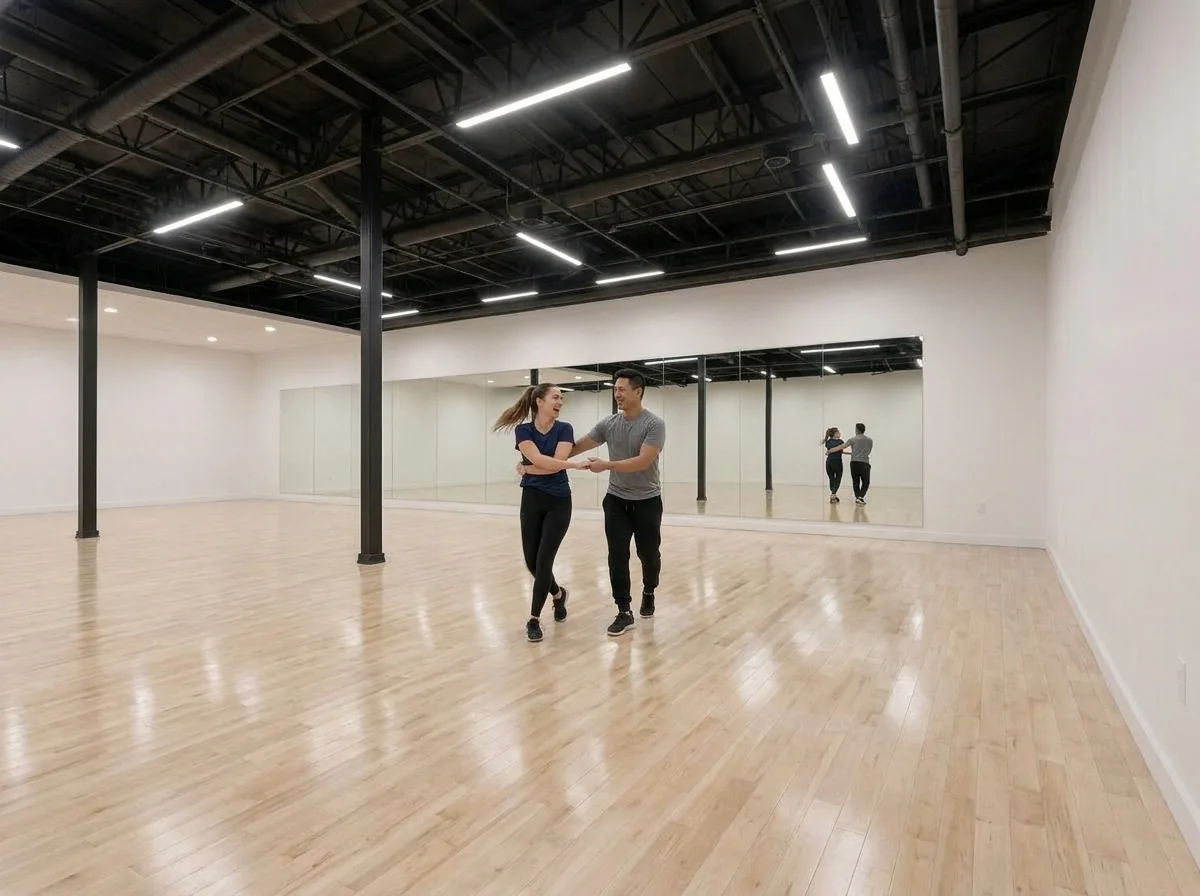
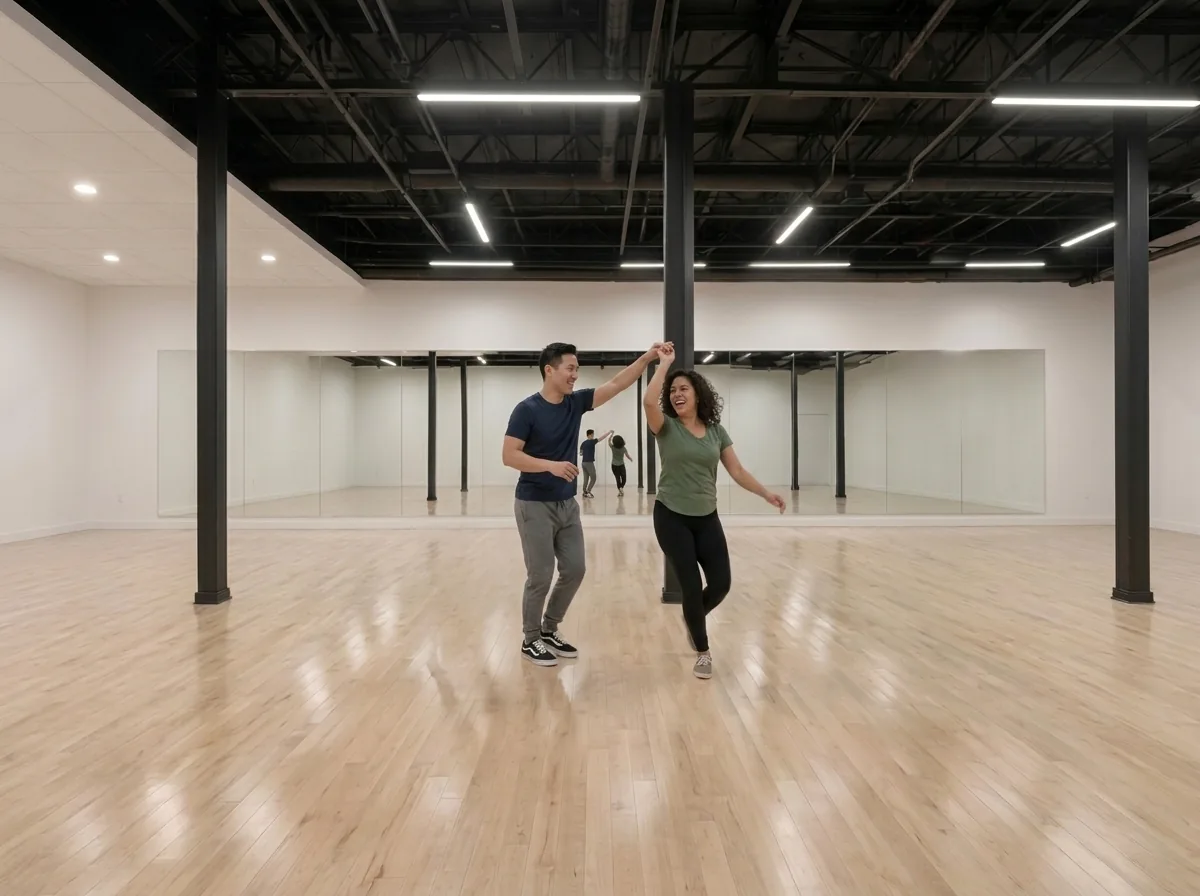
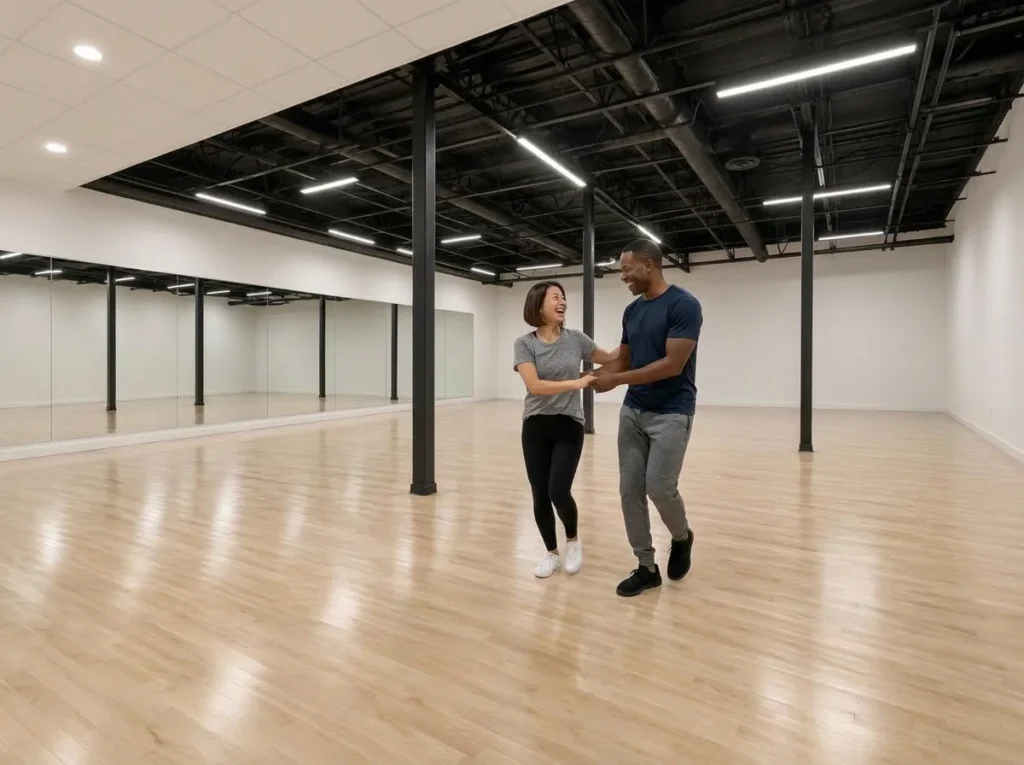
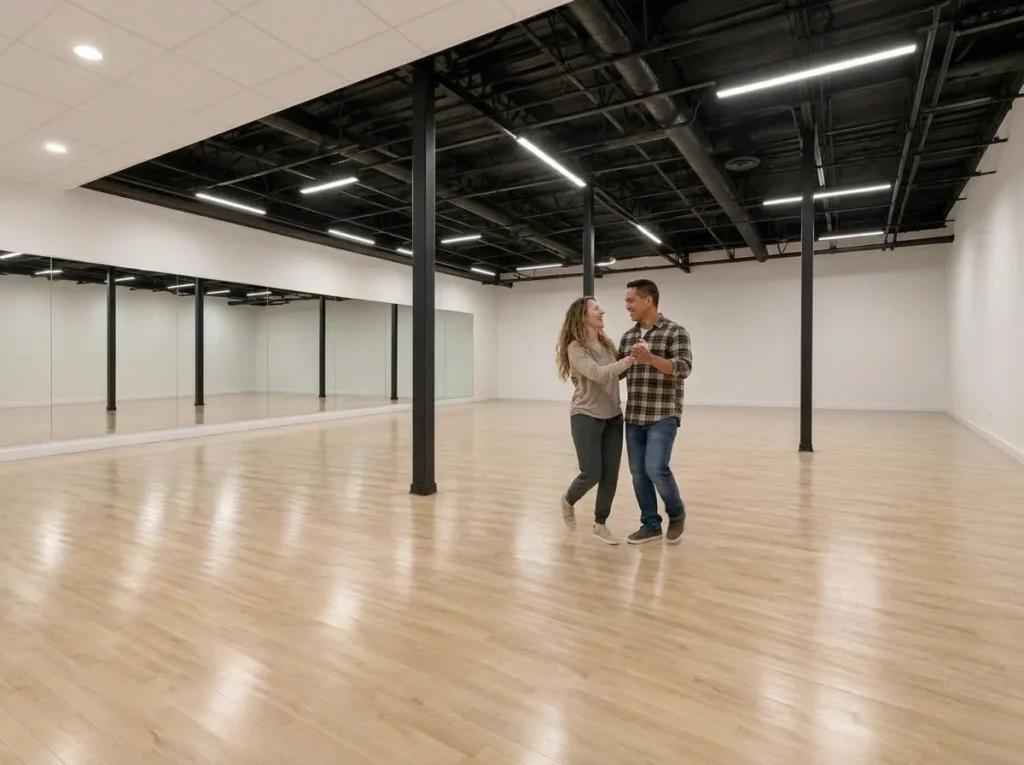
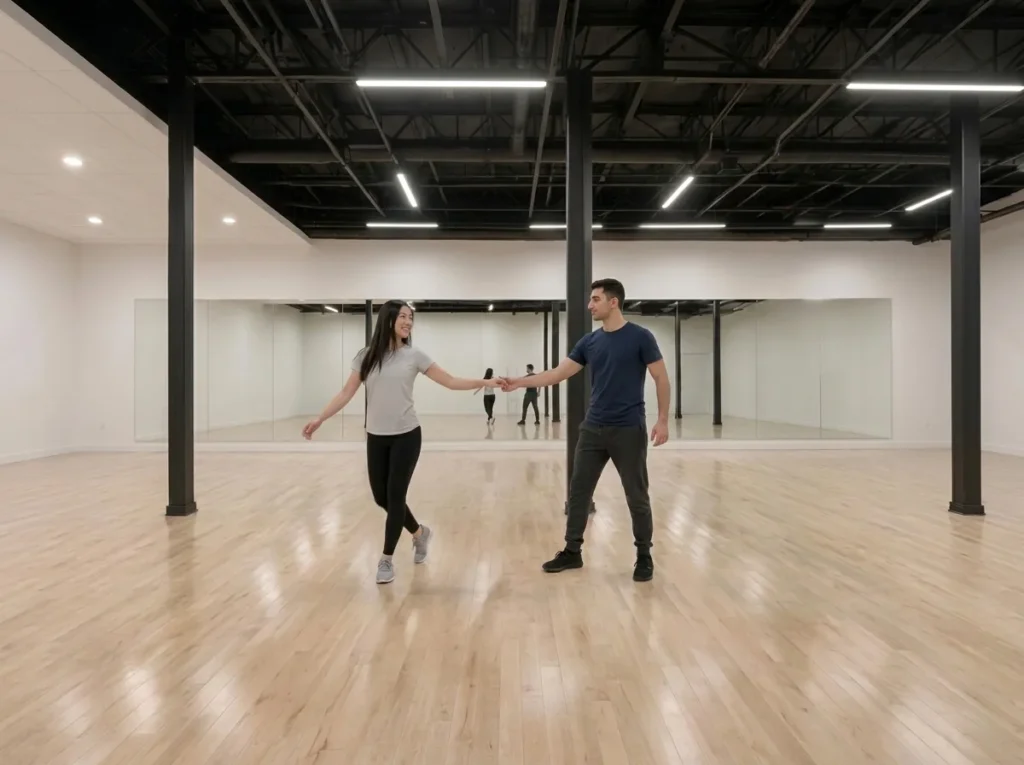
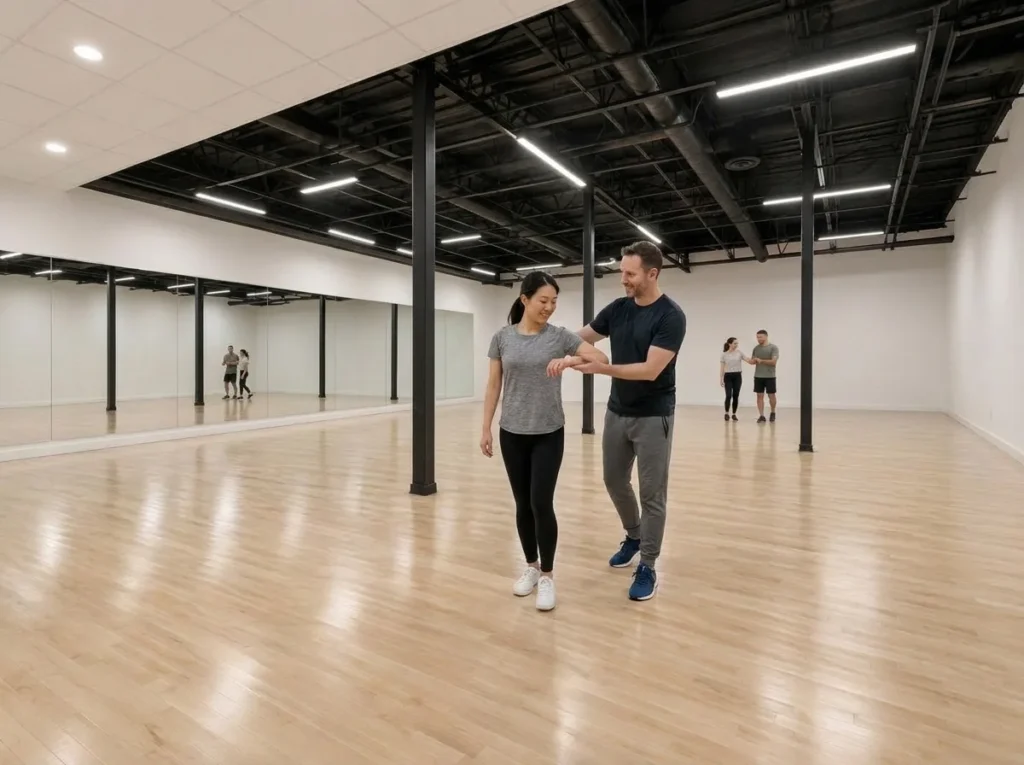
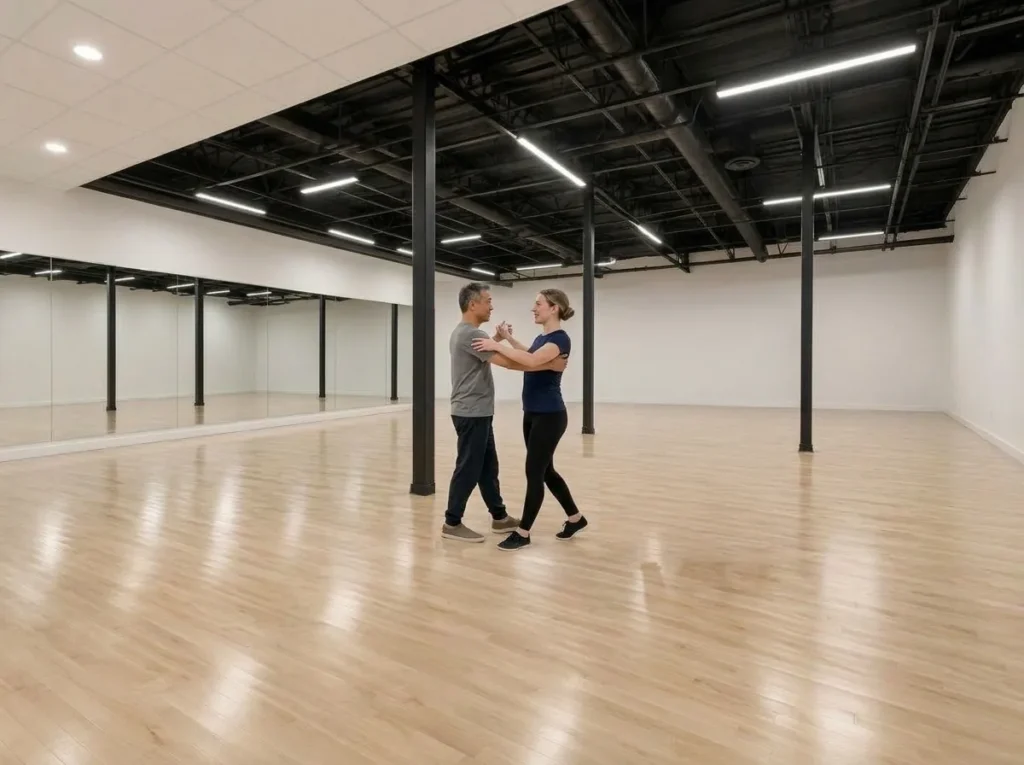
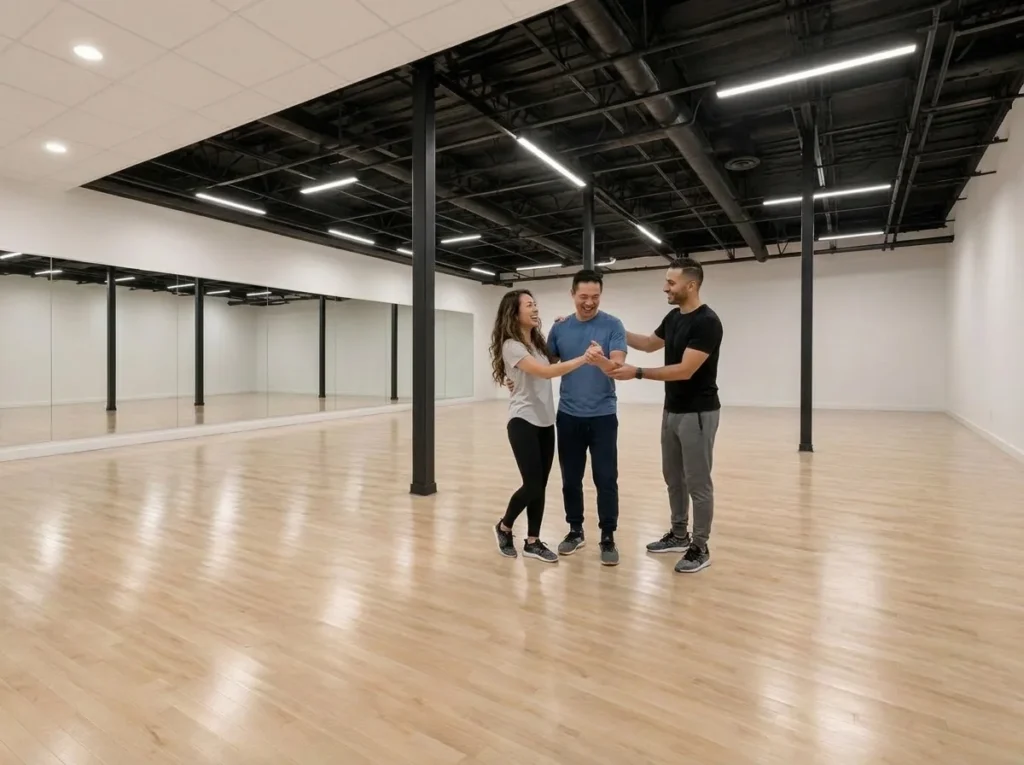
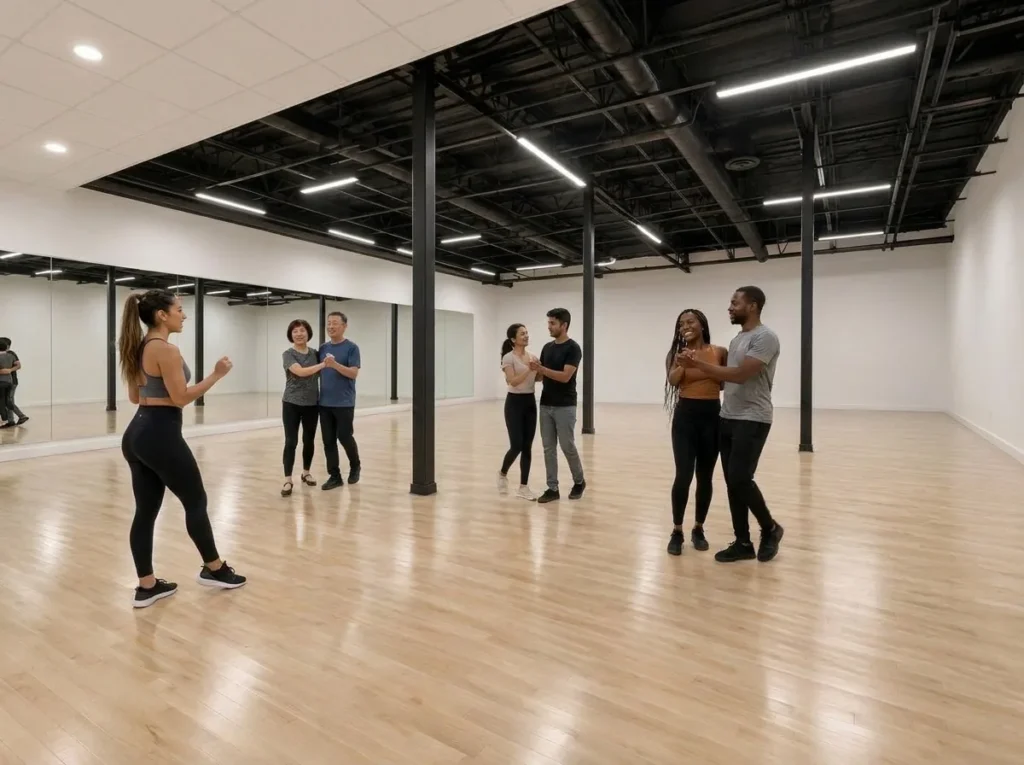
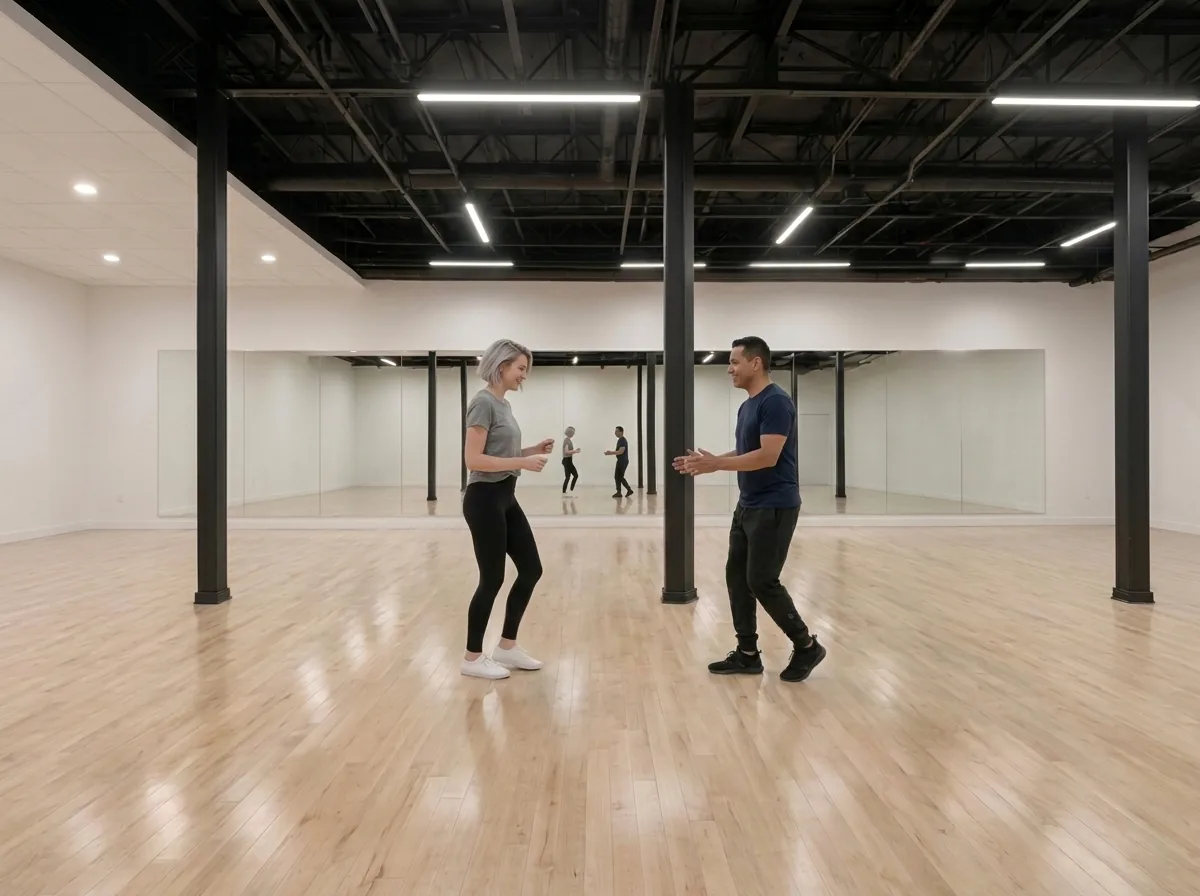
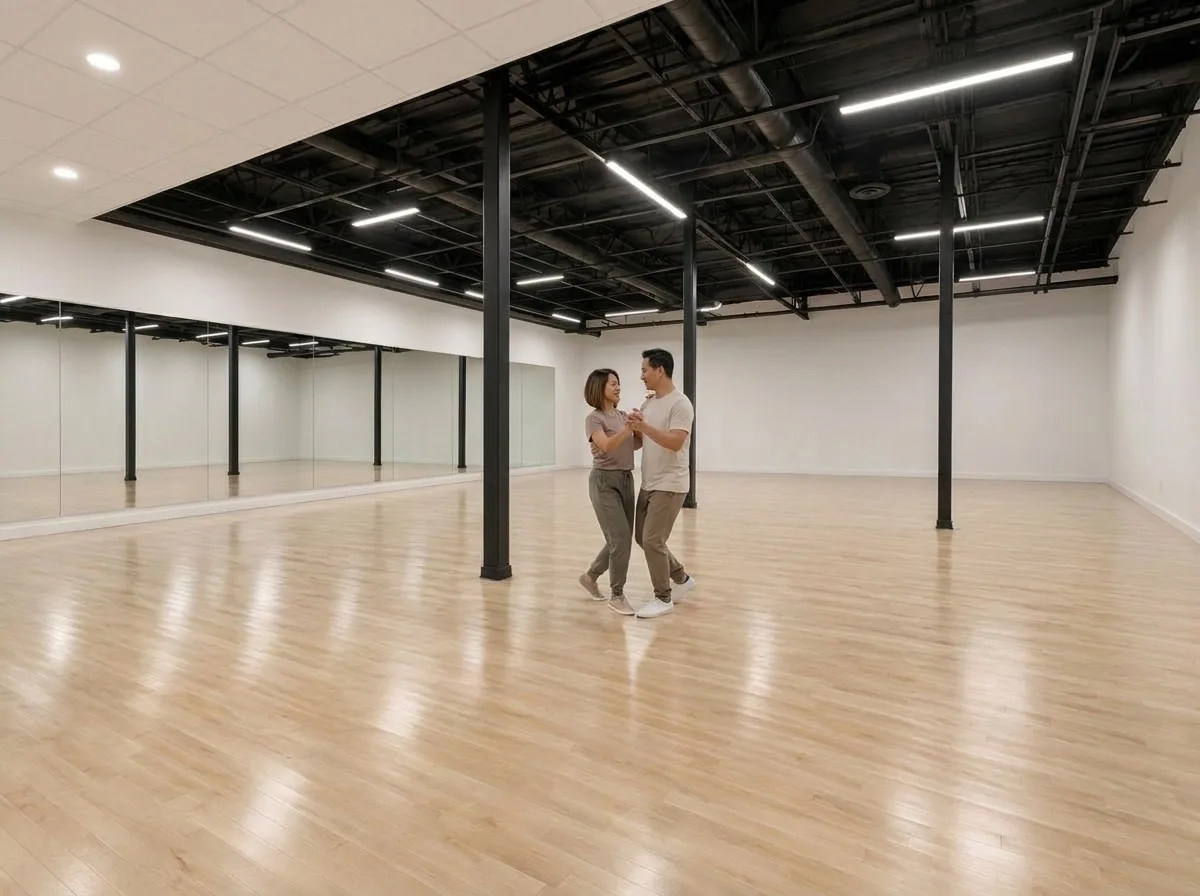
East Coast Swing is the classic, bouncy partner dance that works at weddings, parties, and anywhere a good upbeat song is playing. The swing dance lessons Alhambra beginners start with at Fred Astaire Dance Studios teach you one simple basic that opens up almost every song you hear.
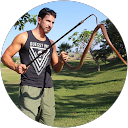
Co-owner Jonathan Roberts is a former World and US Ballroom champion, 7 seasons on Dancing With the Stars.
Start with simple foundations.
Solo students and couples are welcome.
Personalized coaching at your pace.
Practice timing and confidence
Weddings, bars, concerts, kitchens.
Swing is the dance that fits everyday life. One six-count basic lets you dance to live bands, wedding playlists, and backyard parties alike. The basic comes quickly, and there are years of fun to enjoy after it.
Dance feel: bouncy, social, timeless.
Best for: beginners, couples, social dancers, country dancers.
Lesson options: private, group, beginner.

East Coast Swing is the classic American swing dance. It uses a six-count rhythm of triple steps and rock steps, danced mostly in place with turns, tucks, and spins. It grew out of the Lindy Hop and is still the easiest way into the whole swing family.
The swing family is big. East Coast Swing is the social classic taught here. West Coast Swing is the smooth, slotted modern style. Lindy Hop is the original jazz-era athletic version. Country Swing adapts the moves to country music. West Coast Swing and Lindy Hop each have their own page, and this one is the best first step.

Swing fits a lot of goals, from a first lesson to a wedding reception to a country night.
East Coast Swing is one of the easiest first dances there is. The six-count basic comes together quickly, and the rhythm stays forgiving while you find it.
Couples pick up swing quickly because it feels playful instead of formal. You learn to lead and follow through turns and tucks, and it stays fun while you are still learning.
Swing travels. Once the basic is yours, you can dance to almost any live band, wedding playlist, or backyard party without rehearsing anything first.
Swing is the upbeat choice at a reception, whether for your first dance or for when the band picks up. For full choreography and planning, see our Wedding Dance and First Dance Lessons pages.
You have watched enough receptions from the edge of the floor. One swing basic is all it takes to stop waiting for a slow song and start dancing to the fast ones.
Country floors run swing all night long. If you already two step, swing gives you the second dance you need when the band picks up the tempo.
East Coast Swing lessons are about more than memorizing steps. You will learn how to hear the timing, move with balance, connect with a partner, and feel more natural on the dance floor.

The count that runs the whole dance. Triple, triple, rock step, and you are swinging.
The small back step that anchors every pattern and resets your balance before the next move.
Three quick weight changes in two beats. This is where swing gets its bounce and its speed.
The first turn most students learn. Simple to lead, easy to follow, and it looks better than it feels.
A compression and release that sends your partner into a turn. The move that makes swing feel playful.
How two people communicate through the hands and frame without talking. The skill that lets you dance with anyone.
The soft knee action that keeps you connected to the beat. It is what separates swing from walking.
Hearing the breaks, the builds, and the last note, then dancing to them instead of counting through them.
Moving through a crowded floor without collisions. Useful at weddings, essential at swing socials.
The point where you stop thinking about the count and start enjoying the song. It arrives sooner than you expect.

Best for: Personalized coaching, couples, beginners, technique-focused students
Private East Coast Swing lessons give you focused attention and a lesson path shaped around your goals, pace, comfort level, and preferred use case.

Best for: First-time students and anyone who wants a low-pressure start
Beginner lessons can introduce East Coast Swing timing, basic steps, posture, and partner connection without assuming previous experience.

Best for: Partners who want to learn together
Couples can use East Coast Swing to build connection, coordination, and a fun, social way to move together.

Best for: Practice, repetition, confidence, and social comfort
Group classes can help you reinforce timing and movement in a supportive studio environment.
You do not need dance experience to begin. You do not need to know the music, the steps, or the difference between East Coast Swing and other Rhythm styles before your first lesson. Your instructor can start with your goals and help you learn simple foundations at a comfortable pace.
What to know before you come in:

Tell us what you want East Coast Swing for: social dancing, a partner activity, weddings, or country nights.
Start with a few simple foundations so you can feel how East Coast Swing works.
Build timing, posture, frame, footwork, and partner connection at your pace.
As your comfort grows, add turns, movement, musicality, and confidence for real dance settings.
Fred Astaire Dance Studios, Alhambra is a friendly place to learn East Coast Swing, whether it is your first dance or your fifth. We are at 2121 Orange Street, Unit C, Alhambra, CA 91803, with students coming from San Gabriel, Monterey Park, San Marino, and Pasadena. We are open Monday to Friday, 12pm to 9pm, and closed on weekends. Call (626) 342-7909 or visit the contact page to plan your first lesson.

Students often appreciate an East Coast Swing lesson experience that feels clear, patient, welcoming, and personal. The right lesson should help you feel more comfortable with the music, your timing, your partner, and the next step.
Yes. East Coast Swing is taught in private lessons, couples lessons, beginner lessons, and group classes at Fred Astaire Dance Studios, Alhambra. Most people begin with an intro lesson, where an instructor sees how you move and asks what you want swing for. From there we build a plan around your goals, whether that is a wedding coming up soon or a fun weekly habit.

It is one of the best first dances there is. The six-count basic is quick to learn and instantly fun, which means you spend your first lesson dancing rather than drilling. Swing is also forgiving. The rhythm stays steady, the frame is relaxed, and small mistakes disappear into the bounce. Beginners who feel stiff in other styles usually loosen up here first.
East Coast Swing is bouncy and circular, danced mostly in place with triple steps to swing-era and rock music. West Coast Swing is smooth and danced in a narrow lane to blues, pop, and R&B, with a stretchy connection instead of a bounce. Many students learn East Coast first for the rhythm, then add West Coast for the music. Both are taught at our Alhambra studio.
No. Instructors partner with solo students, and group classes rotate partners so everyone dances with everyone. Plenty of people walk in alone for their first swing lesson. Learning to lead or follow with several different partners actually builds the skill faster than practicing with one person, because you stop relying on habits and start reading real connection.
Almost anywhere music with a steady beat is playing: weddings, birthday parties, concerts, swing and country nights, and your own living room when a good song comes on. Once the basic is comfortable, you can dance with almost anyone without rehearsing. That is what makes swing such a practical first dance, and why so many students keep using it for years.
Comfortable clothing and smooth-soled shoes that spin without sticking. Nothing formal, nothing special. Leather or suede soles work best, but a clean sneaker with a worn sole is fine for a first lesson. Avoid rubber-soled running shoes that grip the floor, since swing asks you to pivot and turn. Bring water. You will move more than you expect.
Learn it once, use it everywhere, forever. Book your intro lesson.
No experience required. No partner required. Start with your goals and comfort level.