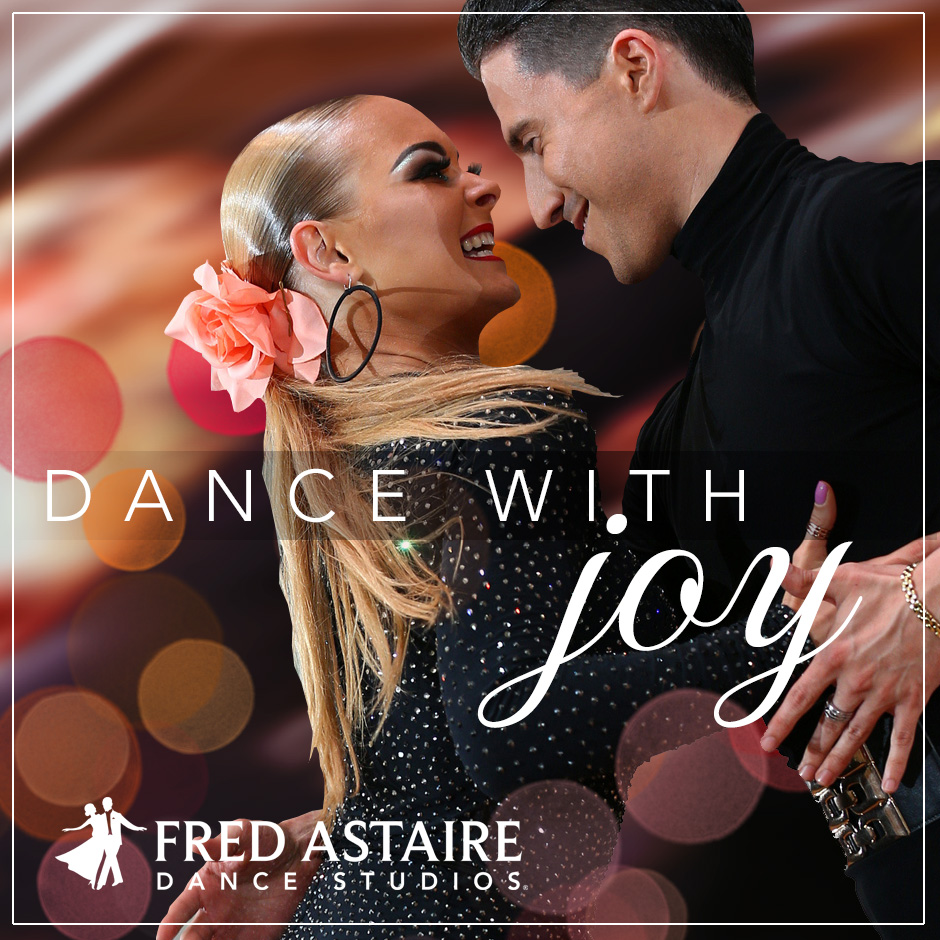
Discover the World of Ballroom Dance
Ballroom dance is a beautiful form of partnership dancing that can be enjoyed socially or competitively. While many students dance with a significant other, no partner is ever required — you’re welcome to come on your own. During your lessons, you’ll work one-on-one with a professional instructor who will partner with you and guide you every step of the way, so you can feel comfortable and confident from the start.
With roots tracing back to the royal courts of Europe in the 16th century — and influences from traditional folk dances like the Austrian Waltz — ballroom dancing combines rich history with timeless elegance and connection.
Two Styles of Ballroom Dance
International Style:
The International Style of ballroom dance originated in England in the early 1800s and gained worldwide popularity during the 19th century, thanks in part to the sweeping music of Josef and Johann Strauss. This style of dance is known for its elegance, precision, and structured technique, making it a favorite in both social and competitive settings.
International Style is divided into two distinct sub-categories: Standard (or “Ballroom”) and Latin.
Standard dances — including Waltz, Tango, Foxtrot, Quickstep, and Viennese Waltz — are characterized by graceful movement, flowing patterns, and strong partnership connection.
Latin dances — such as Cha-Cha, Rumba, Samba, Paso Doble, and Jive — emphasize rhythm, musical expression, and passionate performance.
While often seen in the competitive dance circuit, International Style is also enjoyed socially, offering dancers a structured yet dynamic way to express themselves, improve technique, and share the joy of dance with a partner. At Fred Astaire Palm Harbor, our instructors teach both Standard and Latin styles with precision, style, and fun, helping every student feel confident on the dance floor.
American Style:
In the United States, ballroom dance evolved into the American Style between 1910 and 1930, shaped by the vibrant energy of American jazz music, a more social approach to dancing, and the groundbreaking talents of Mr. Fred Astaire, whose iconic choreography and artistry inspired generations of dancers.
American Style ballroom dance is divided into two distinct sub-categories: Smooth and Rhythm.
Smooth dances — including Waltz, Tango, Foxtrot, and Viennese Waltz — focus on elegant lines, flowing movement, and seamless transitions across the dance floor, creating an expressive and dramatic style.
Rhythm dances — such as Cha-Cha, Rumba, Swing, Bolero, and Mambo — emphasize musicality, timing, and expressive movement, with a lively, social energy perfect for both performance and recreational dancing.
Today, American Style is enjoyed socially, on the competitive stage, and in classrooms around the world. At Fred Astaire Palm Harbor, our instructors guide students through both Smooth and Rhythm styles, combining technical skill, musicality, and fun, so every dancer can feel confident and inspired on the floor.
The Differences Between International & American Styles
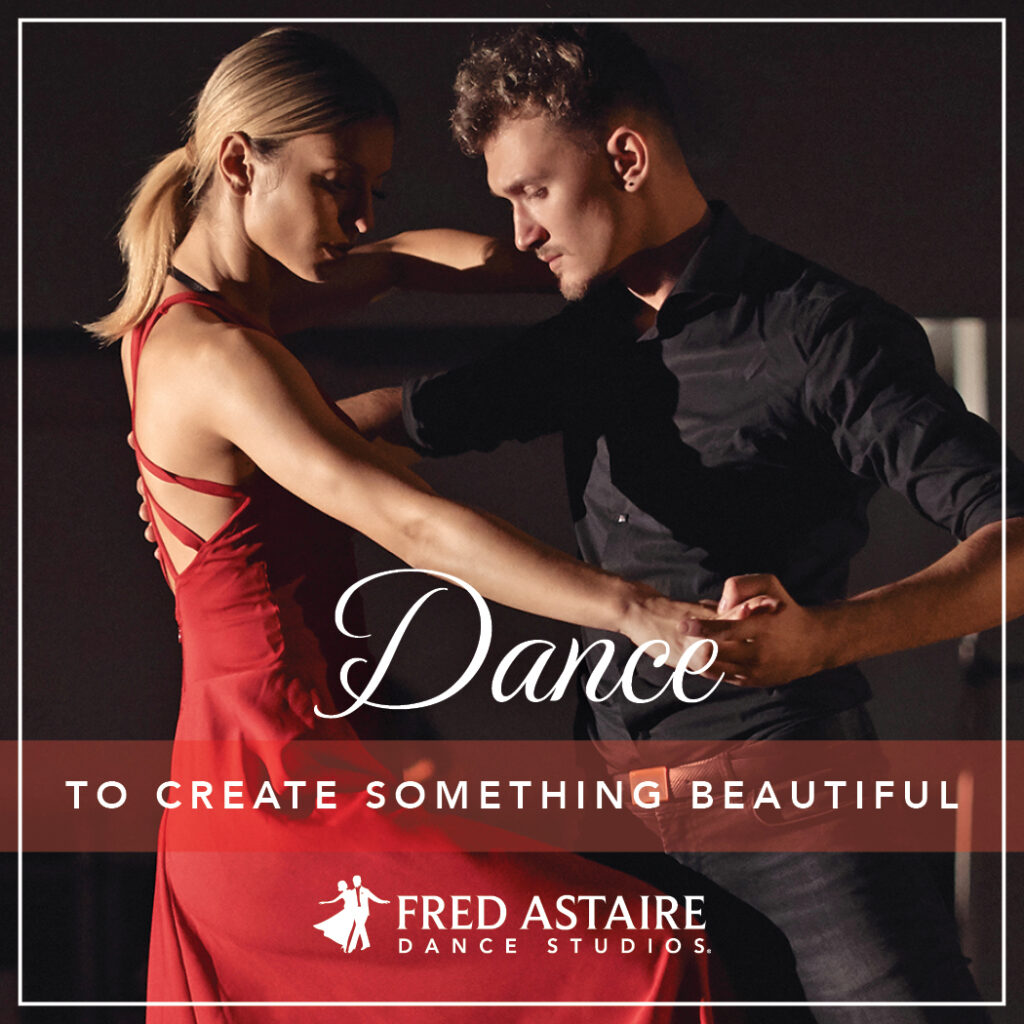
International Style is without a doubt the classic “old school” style of Ballroom. In International Standard, dance partners must remain in a closed dance position continually (meaning they stand in front of each other, in body contact throughout the dance). American Smooth is similar to its counterpart from overseas, but does allow the dancers to separate (called “open position”) in their dance frame. In the beginning stages of training, International Style is more disciplined than American Style (which typically starts first as a social Hobby, then progresses to Sport).
American Style can also include “Exhibition” solo work which allows the couple more freedom in their choreography. Both styles can be very technical with a high level of proficiency requirements, but there is more freedom in the American Style when it comes to closed figures, where the International Style is more strict with fewer figures offered. In the world of ballroom dance competition, there are also differences between the dresses or gowns worn for American versus International Styles. Because dance partners stay in closed position when dancing International, these dresses often have floats coming from the tops which would not be conducive for American Style, which features both open & closed positions.
AMERICAN STYLE - DANCES
WALTZ
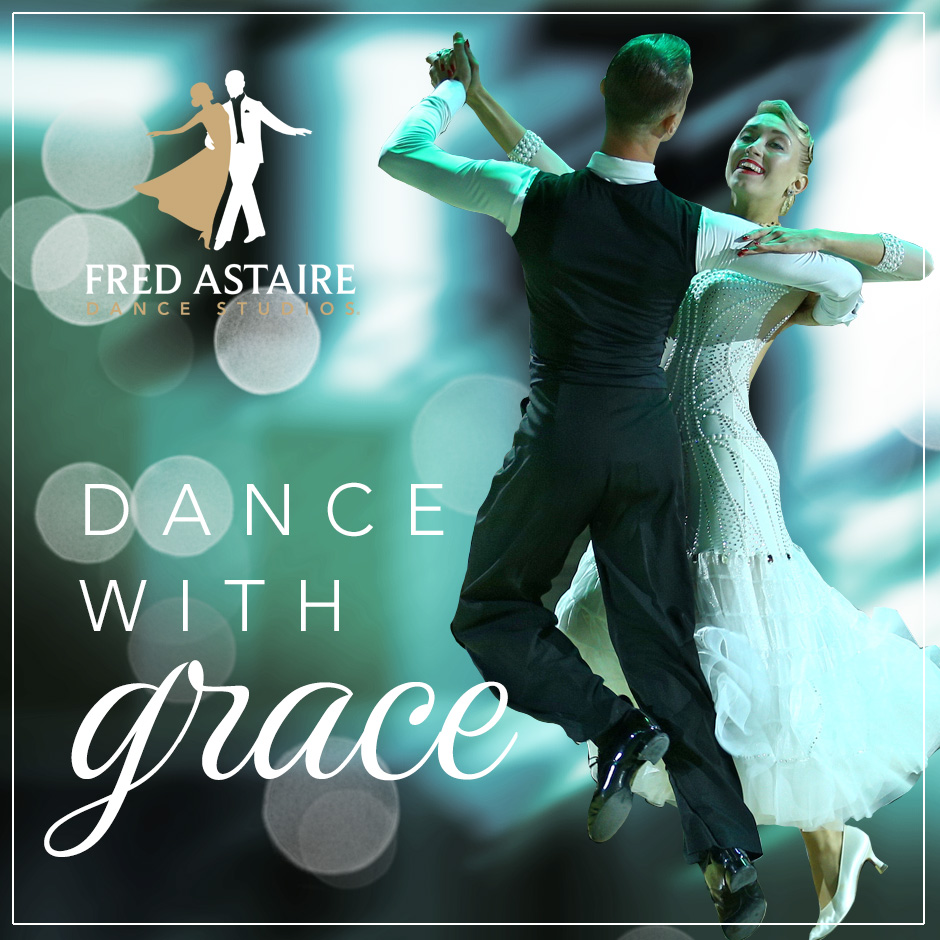
The Waltz is a classic smooth ballroom dance known for its flowing, continuous movement and signature rise and fall. Danced in 3/4 time, it creates a soft, romantic feel as dancers glide effortlessly across the floor. Emphasizing posture, frame, and connection, the Waltz develops strong fundamentals while remaining elegant and timeless. It’s perfect for weddings, social dancing, and anyone who wants to move with confidence and grace.
TANGO
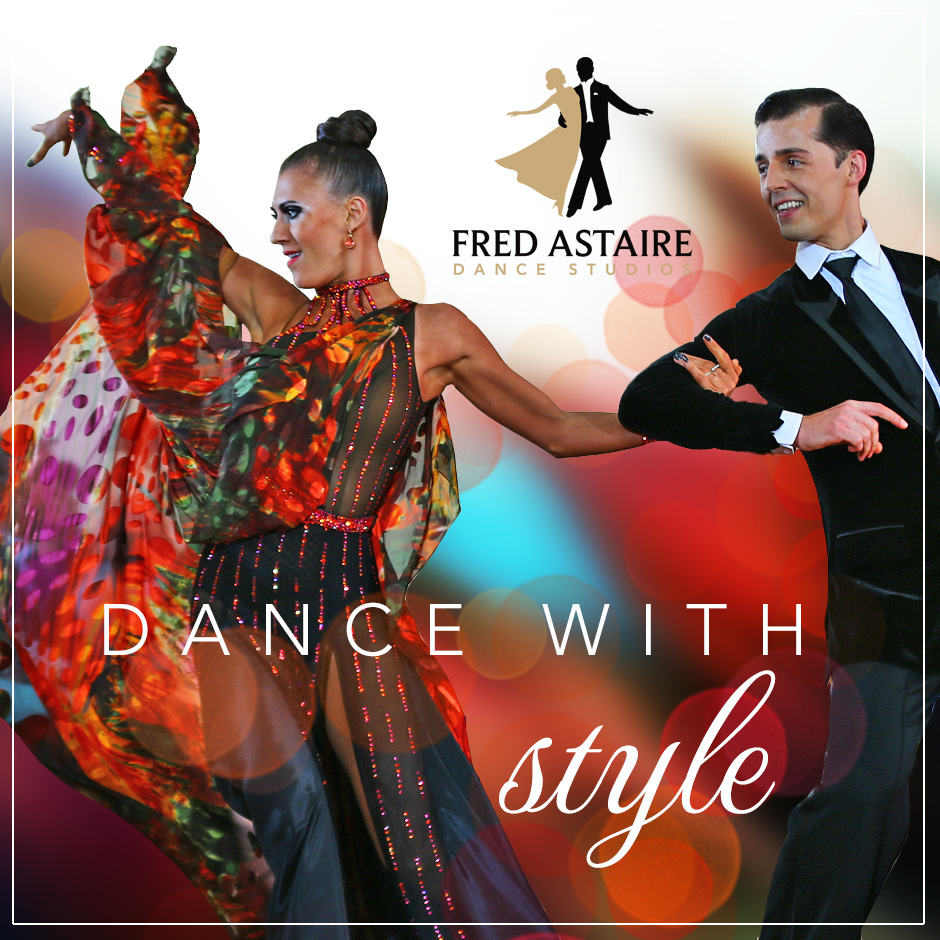
Tango is a dramatic and powerful ballroom dance known for its sharp movements, strong staccato actions, and intense expression. Unlike the flowing rise and fall of Waltz, Tango features grounded movement, quick changes of direction, and bold, defined shapes. It builds precision, control, and confident presence on the dance floor.
Its distinctive character creates a striking and memorable look that stands out in any setting. Tango also strengthens posture, balance, and clear lead-and-follow communication, making it both dynamic and empowering to learn.
FOXTROT
Foxtrot is a timeless smooth ballroom dance known for its effortless glide and sophisticated style. Characterized by long, flowing steps and seamless transitions, it creates a polished and refined look on the dance floor. Danced to classic big band, jazz, and contemporary standards, Foxtrot blends smooth continuity with subtle swing influence.
The dance emphasizes timing, control, and fluid body movement, allowing dancers to travel gracefully across the floor with confidence. Its versatility makes it ideal for weddings, social gatherings, and formal events. Foxtrot also builds strong fundamentals in posture, balance, musicality, and floor awareness, making it an essential part of any ballroom foundation.
VIENNESE WALTZ
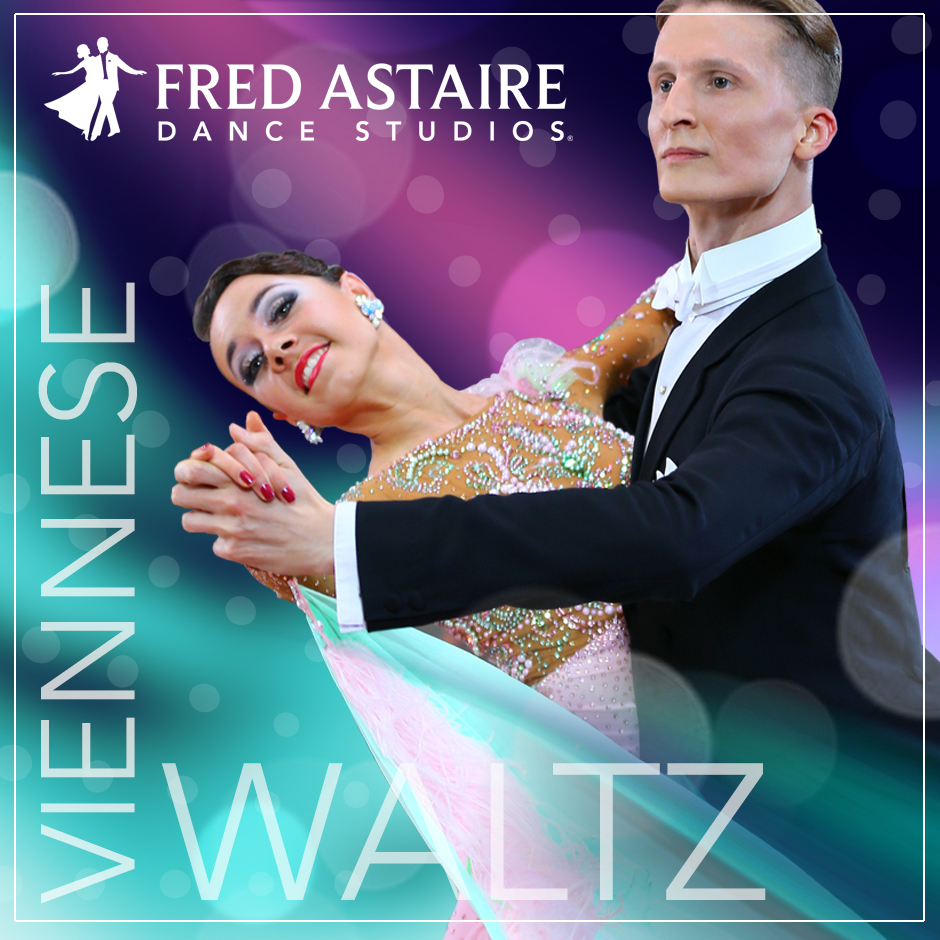
The Viennese Waltz is a fast-paced, graceful ballroom dance known for its continuous turning movements and flowing rotational patterns. Danced in 3/4 time, it combines speed with elegance, requiring precision, balance, and strong technique. Its swirling turns and sweeping motion create a dramatic and captivating visual effect on the floor.
This dance develops agility, posture, and coordination, while enhancing musicality and awareness of timing. Perfect for social events, weddings, and performance settings, the Viennese Waltz challenges dancers to move with both speed and smooth control, creating a dazzling, timeless impression.
CHACHACHA
Cha-Cha-Cha, often called Cha-Cha, is a fun, lively, and playful Latin ballroom dance full of energy and rhythm. With its quick, syncopated steps, sharp footwork, and distinctive “cha-cha-cha” beat, it creates a dynamic, flirtatious, and exciting style on the floor. Its lively hip action and playful movements make it easy to enjoy while still looking polished and stylish.
This dance sharpens timing, coordination, and precision while encouraging expressive flair and musical interpretation. Cha-Cha inspires confidence, playful movement, and joyful connection to the music, allowing dancers to bring personality and energy to every step.
RUMBA
Rumba is a slow, romantic Latin ballroom dance known for its smooth, sensual movements and expressive storytelling. With controlled steps, gentle hip action, and a steady rhythm, it creates an elegant and intimate style on the floor. Its flowing motion and connection to the music allow dancers to convey emotion and subtle charm with every movement.
This dance develops balance, body awareness, and musical interpretation while encouraging graceful, expressive movement. Rumba inspires confidence, poise, and emotional connection, allowing dancers to communicate style and sophistication in every step.
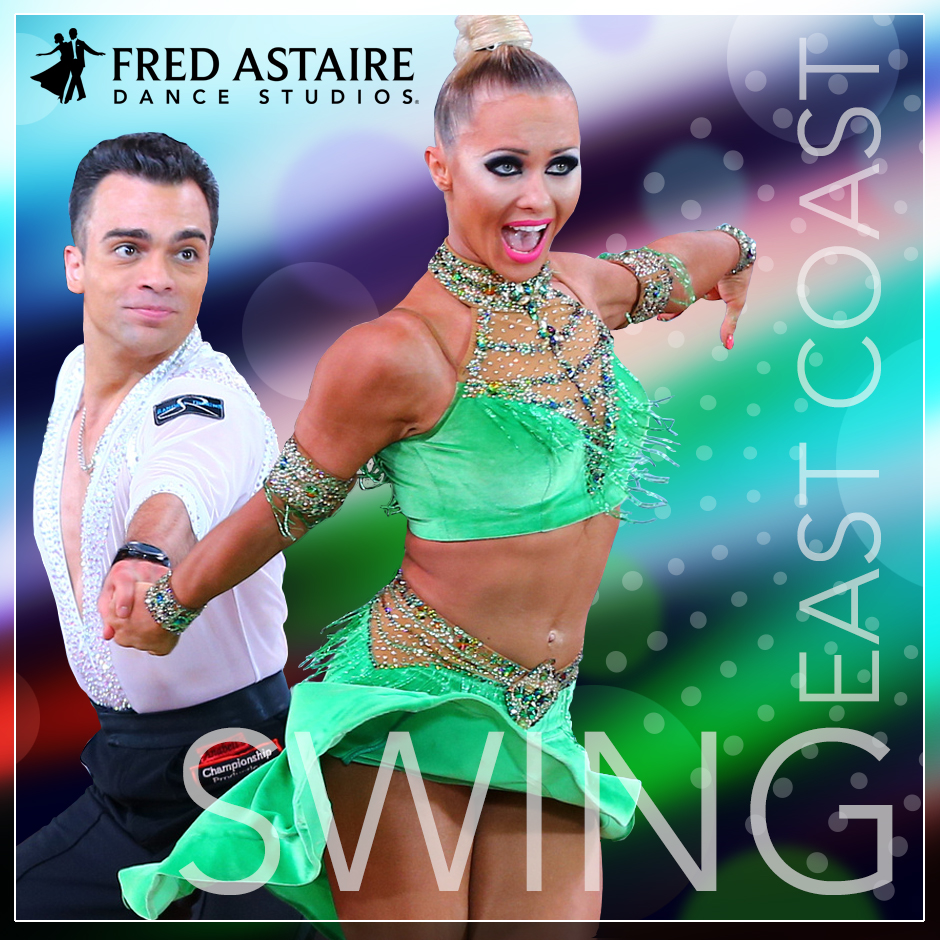
SWING
Swing is a fast-paced, joyful ballroom dance full of rhythm, spins, and playful steps. Its upbeat tempo and lively movement make it fun to learn and exciting to perform, capturing a sense of freedom and enjoyment on the floor.
Swing enhances coordination, agility, and musical interpretation while keeping the energy light and fun. It’s a dance that brings excitement to the floor and lets dancers show off their personality.
BOLERO
Bolero is a romantic and expressive Latin ballroom dance featuring flowing steps, gentle turns, and subtle rise and fall. Its soft, sweeping movements and refined hip action give the dance a dramatic, graceful quality. Bolero invites dancers to interpret the music with feeling, style, and elegance.
This dance develops strength, body awareness, and smooth movement, while promoting emotional expression and artistry. It encourages confidence, poise, and connection, letting dancers communicate passion and personal flair with every motion.
MAMBO
Mambo is a vibrant and expressive Latin ballroom dance known for its sharp footwork, rhythmic patterns, and engaging movement. Its dynamic tempo and lively style make it exciting for both social dancing and performance.
This dance strengthens timing, control, and body awareness while encouraging expressive, confident movement. Mambo allows dancers to bring energy, charisma, and individuality to every step.