

As a dancer, warming up is a crucial part of your routine. Whether you’re getting ready for a Latin rhythm or a classical waltz move, stretching helps prepare your body for the demanding movements that come with each performance. Stretching not only improves flexibility, but it also enhances muscle performance, reduces the risk of injury, and helps maintain optimal posture. In this blog, we will explore five essential stretching routines every dancer should do before class to improve their overall performance and mobility. At Fred Astaire Dance Studio in Cave Creek, we believe in the importance of a good warm-up to set the stage for a successful class.
1. Dynamic Warm-Up: Preparing the Body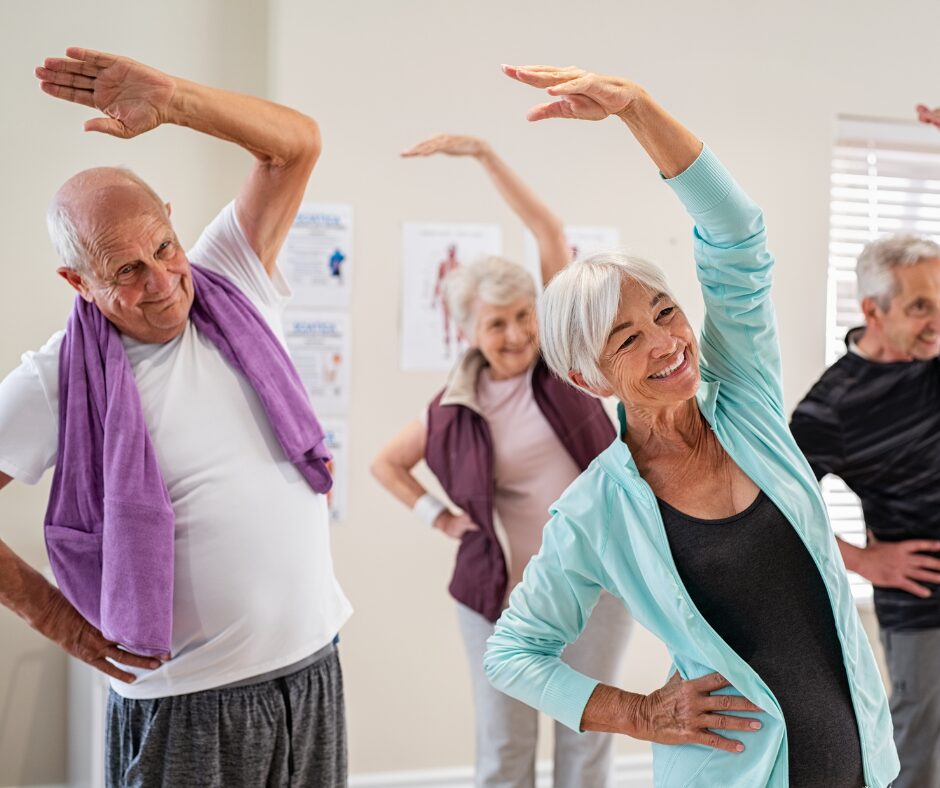
Before any static stretches, dancers should engage in a dynamic warm-up to activate their muscles and increase blood flow. A dynamic warm-up is a combination of gentle movements and stretches that prepare the muscles for activity, gradually improving your range of motion and performance.
Key Dynamic Stretches:
- Leg Swings: Stand beside a wall for balance and swing one leg forward and backward, keeping your leg straight. Perform 15-20 swings per leg. This movement loosens the hips, hamstrings, and quads, which are essential for many dance movements.
- Arm Circles: Extend your arms to the sides and make small circles, gradually making them larger. Continue for 30 seconds in both directions to warm up your shoulder joints and upper body muscles.
- Torso Twists: Stand with your feet hip-width apart, and gently twist your torso from side to side. Perform this for 30 seconds. This will help loosen up your spine and prepare your core for twisting and turning movements.
2. Hip Flexor and Hamstring Stretch: Enhancing Leg Flexibility
For many dance styles, including Salsa, Tango, and Swing, flexibility in the legs is vital for elegant and powerful movements. Stretching the hip flexors and hamstrings helps improve leg flexibility, making it easier to extend the legs fully, execute deep pliés, and maintain graceful lines.
How to Stretch:
- Lunge Stretch: Step forward into a lunge position, keeping your back leg straight and lowering your hips toward the floor. Hold for 30 seconds and switch legs. This targets the hip flexors and opens up the hips, which is essential for many dance styles.
- Standing Hamstring Stretch: Stand with one foot in front of the other and bend at the hips, reaching for the toes of the front leg. Make sure to keep your back straight. Hold for 30 seconds on each leg. This stretch will help loosen up your hamstrings and improve your ability to execute high kicks and extensions.
3. Inner Thigh Stretch for Ballroom Dancers
Whether you’re performing a Foxtrot or a Waltz, flexibility in the inner thighs is critical for smooth, fluid movements across the floor. This stretch targets the adductors and helps you maintain control during lateral movements and spins.
How to Stretch:
- Butterfly Stretch: Sit on the floor with the soles of your feet together and gently press your knees toward the floor. Hold for 30 seconds. This targets the inner thighs and groin muscles, allowing for better flexibility and comfort during ballroom routines.
- Side Lunges: With feet wide apart, bend one knee and shift your body weight to one side, keeping the other leg straight. Hold the position for 30 seconds on each side. This stretch works on your adductors and improves balance and stability during ballroom movements.
4. Shoulder and Upper Back Stretch: Improving Posture and Arm Movements
In dance, posture and arm placement are vital for both aesthetic quality and technique. A strong and flexible upper back and shoulders allow you to maintain proper posture and execute elegant arm movements in any dance form, from the graceful lines of waltz to the dramatic gestures of the Tango.
How to Stretch:
- Shoulder Rolls: Stand or sit with your back straight and roll your shoulders forward in a circular motion. Perform this for 30 seconds, then reverse the direction. This helps release tension in the shoulders and upper back.
- Chest Opener Stretch: Clasp your hands behind your back and lift your arms slightly, opening up your chest. Hold for 30 seconds. This stretches the chest, shoulders, and upper back, helping you maintain good posture during dance routines.
5. Foot and Ankle Stretch: Building Strength and Stability
Strong feet and ankles are essential for balance and stability in dance, particularly in styles like Salsa and Ballroom, where weight transfer and control are key. Foot flexibility helps improve toe points, ankle rolls, and balance during various footwork patterns.
How to Stretch:
- Ankle Circles: While standing or seated, lift one foot and rotate your ankle in small circles for 10-15 rotations in both directions. This improves flexibility in the ankle joint, allowing for better control over foot movements.
- Toe Flexes: Sit with one leg extended and flex and point your toes for 10–15 repetitions. This stretches the calves and improves ankle flexibility, helping you execute cleaner footwork in your routines.
Incorporating these five stretching routines into your pre-class warm-up can dramatically enhance your flexibility, strength, and overall performance as a dancer. Stretching should never be rushed, and consistency is key to achieving lasting results. Whether you dance socially, professionally, or recreationally, these stretches are perfect for improving your technique and preventing injury.
Ready to take your dance skills to the next level? Join Fred Astaire Dance Studio in Cave Creek today! Call us at (480) 771-5959 to schedule a private lesson and get personalized tips and instruction in Latin and Ballroom dance. Start your journey to becoming a better dancer today!