

Whether you’re a beginner or an experienced dancer, stretching is a key element in enhancing flexibility, preventing injuries, and improving your overall performance. A proper stretching routine can help you move more freely, increase your range of motion, and reduce muscle stiffness. If you’re dancing at Fred Astaire Dance Studios Peoria, it’s important to adopt a consistent stretching practice to keep your body in top shape. Here’s a guide to the best stretching routine to follow for dancers.
Why Stretching Matters for Dancers
Stretching is not just about improving flexibility; it plays a crucial role in injury prevention. Dancers constantly push their bodies to move in ways that require a lot of strength, balance, and coordination. Without proper stretching, muscles become tight, leading to discomfort and a higher risk of injury. Additionally, stretching helps increase blood flow to the muscles, enabling them to perform better during long practices and performances.
The Best Stretching Routine for Dancers
To ensure you’re getting the most out of your stretching routine, it’s important to focus on both dynamic and static stretches. Dynamic stretches are best before a dance session, as they prepare the muscles for movement. Static stretches are best after a dance session when your muscles are warm and flexible.
1. Dynamic Stretching: Pre-Dance Warm-Up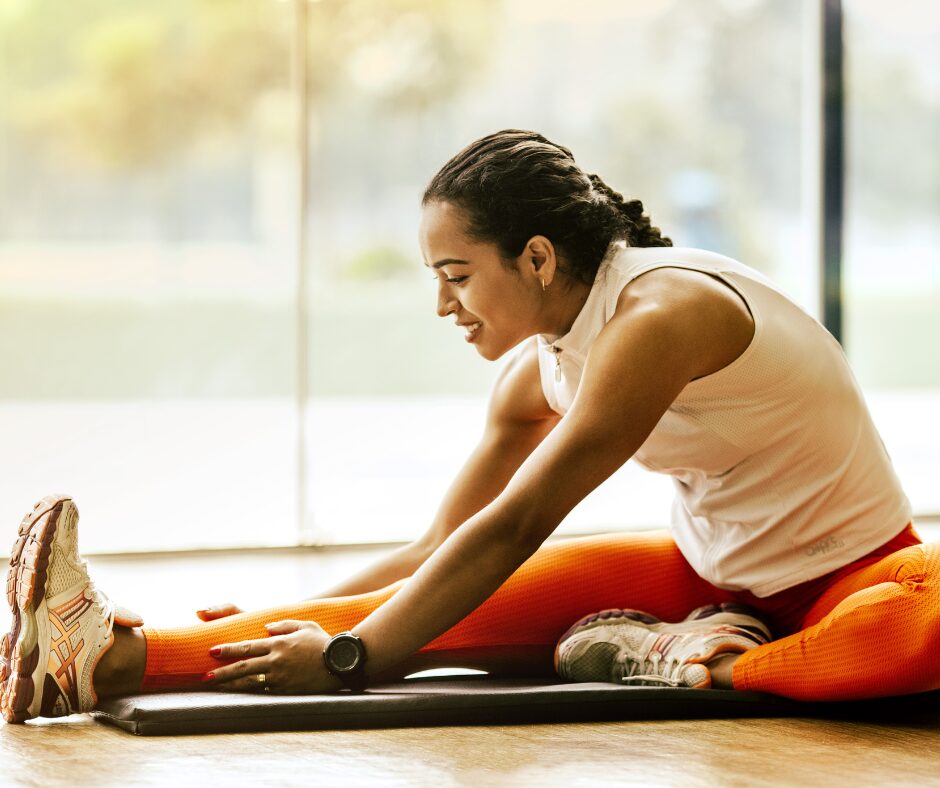
Before you hit the dance floor, start with dynamic stretches to warm up your muscles. These stretches increase circulation, activate the muscles, and improve joint mobility.
- Leg Swings: Stand with one hand on a support, and swing one leg forward and backward. Perform 10–15 swings on each leg. This stretches the hip flexors and hamstrings.
- Arm Circles: Stand with your arms outstretched and make small circles, gradually increasing the size. Perform 10 circles in each direction for both arms.
- Lunges with a Twist: Step forward into a lunge, then twist your torso toward the leg that is forward. Hold the twist for a second and return to standing. Do 10 reps on each side.
- Hip Openers: In a standing position, lift one knee toward your chest, then rotate it outward to open your hips. Perform 10 reps on each side.
2. Static Stretching: Post-Dance Cool-Down
Once your body is warmed up from dancing, take time for static stretching. Static stretches help lengthen muscles and improve flexibility.
- Standing Forward Fold: Stand tall with feet hip-width apart. Hinge at your hips and reach your hands toward the floor. Hold for 20–30 seconds. This stretches the hamstrings and lower back.
- Pigeon Pose: From a kneeling position, bring one leg forward and bend it at a 90-degree angle while extending the other leg straight back behind you. Lower your chest toward the floor and hold for 20–30 seconds. This stretches the hips and glutes.
- Quadriceps Stretch: Stand tall and grab one ankle, bringing it toward your glutes. Hold your ankle with your hand for 20–30 seconds, keeping your knees together. This stretches the quadriceps and hip flexors.
- Triceps Stretch: Reach one arm overhead, bending the elbow to bring your hand toward your upper back. Use your other hand to gently press the elbow for a deeper stretch. Hold for 20–30 seconds on each side.
3. Targeted Stretching for Dancers
Some areas of the body are especially important for dancers, so make sure to include stretches that target the muscles most used in dance.
- Hamstring Stretch: Sit on the floor with one leg extended and the other leg bent. Reach toward your toes with both hands and hold for 20–30 seconds. This stretches the hamstrings, which are key for leg extensions and flexibility.
- Calf Stretch: Stand facing a wall, with one foot forward and the other extended behind you. Keep your back leg straight and press the heel into the floor. Hold for 20–30 seconds on each side. This helps with ankle flexibility and stability.
- Inner Thigh Stretch: Sit on the floor with your legs spread wide. Lean forward with a flat back and try to reach your chest to the floor. Hold for 20–30 seconds. This stretches the adductors and groin muscles.
4. Stretching Tips for Maximum Flexibility
- Breathe deeply: Breathe slowly and deeply while stretching. This will help your muscles relax and increase the effectiveness of the stretch.
- Hold each stretch for at least 20–30 seconds: Holding each stretch for the right amount of time is essential for improving flexibility.
- Don’t bounce: Avoid bouncing while stretching, as it can lead to injury. Instead, hold each stretch steadily and breathe deeply.
- Be consistent: Incorporating stretching into your daily routine will yield the best results. Aim to stretch at least 4–5 times a week for optimal flexibility and muscle health.
A proper stretching routine is crucial for dancers to stay flexible, avoid injuries, and perform their best. Whether you’re getting ready for a class or winding down after practice, incorporating dynamic and static stretches into your routine will make a huge difference. At Fred Astaire Dance Studios Peoria, we encourage all of our dancers to prioritize stretching to support their long-term success.
Ready to take your dance skills to the next level? Call us today at (623) 288-9898 and start your dance journey at Fred Astaire Dance Studios Peoria!