

An effective way to improve your footwork in dancing is by counting steps so you’re on the beat, staying light and ready to move, and keeping a slight bend in your knees. When your steps are controlled and precise, your dance frame & overall performance become more confident and expressive.
So if you want to find out tips & tricks to master different types of footwork in dance, here are some useful tips you may try.
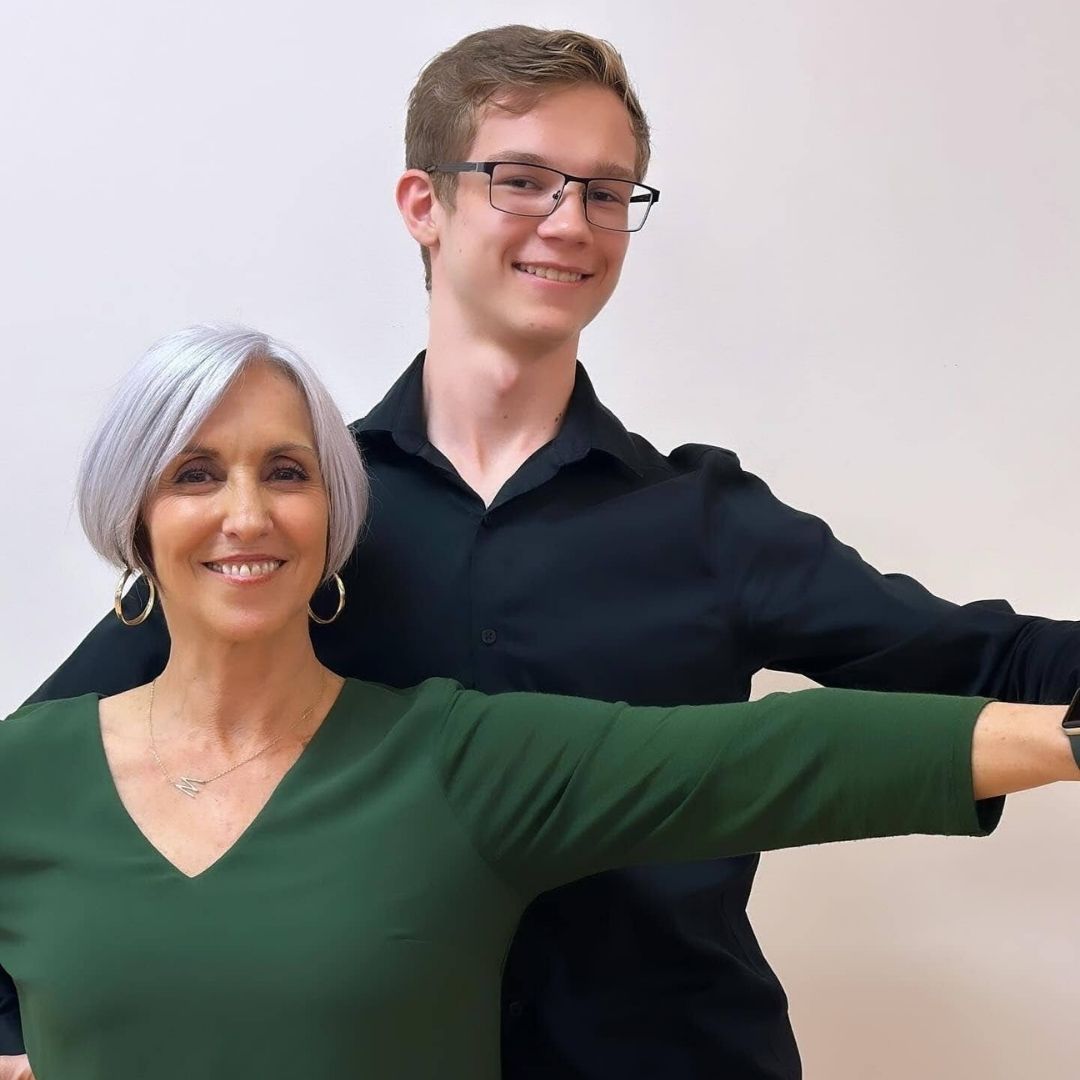
Footwork in Dancing: Meaning
Footwork refers to the way dancers place their feet and move to create balance, rhythm, and coordination. Below, we’ll introduce you to the basics of footwork and the most important aspects you should keep in mind. So let’s get started.
Master Basic Steps
One of the most common mistakes beginners make is expecting quick results in a very short time. While this approach may temporarily hide mistakes, it can negatively affect the foundation you’re building.
So, choose a studio with dance lessons in Orlando that has a structured program and doesn’t rush through the sessions.
- Proper foot position
- Control of weight transfer
- Proper timing
If you’re having difficulty learning these elements, visit us at our studio. Our teaching methods are focused on gradual improvement and adaptation according to your skills.
Practice Counting
Practice counting without music can help you improve your accuracy and timing. So, while you perform the steps, say the rhythm out loud. This can help you build muscle memory and better coordination before you turn on the music. Below, you’ll learn about the counting of some dancing styles and their benefits.
| Dancing Style | Basic Count | It can help you with |
| Tango | Slow, Slow, Quick, Quick, Slow | It helps develop sharp timing and staccato movement |
| Foxtrot | Slow, Slow, Quick, Quick | Builds control between fast and slow steps |
| Waltz | 1-2-3 | Builds a fluid and smooth continuous movement |
| Salsa | 1-2-3, 5-6-7 | Helps improve quick timing and direction changes |
| Rumba | Slow, Quick, Quick | Improves slow movement and slow hip action |
Weight Transfer
One of the aspects that we see is that people will learn the steps but forget to transfer the weight correctly.
When practicing, focus on completing each step before moving on to the next. For proper weight transfer, your body should arrive on the standing leg, and your center should be aligned. Also, avoid so-called half steps where the weight stays in between. This position leads to loss of control and decreased timing.
For better mastery, start with slow steps and pause briefly to ensure that the weight is transferred correctly. As you progress, your movements will look more natural.
Break Down Your Movements
Breaking down your movements is one of the most effective ways to improve your footwork. Instead of focusing on learning an entire routine, break it down into smaller sections. This way, you’ll be able to better focus on timing, accuracy, and technique.
To master this method more effectively, identify a short sequence from your dance. Once you’ve chosen one, practice it repeatedly until the movements feel natural. After completing the sequence, do the same with the next one and try performing the two together. This gradual approach will help you build confidence and reduce mistakes.
For example, if you’re practicing Foxtrot, you can isolate the “slow-slow-quick-quick” pattern and repeat it until you perfect it. You can do the same with Tango, where isolating the patterns can help you control sudden changes and sharp movements.
You can improve your movements by joining adult dance classes in Orlando, where you will receive step-by-step instructions in an inspiring environment.
Stay Consistent
Consistency is a key element in perfecting your footwork. Therefore, regular practice, even for short periods, can significantly improve muscle memory. Instead of attending occasional long sessions, consistency can help your steps become more precise and smooth.
Also, taking regular dance classes helps build confidence. The more you repeat the steps, the more natural they become. As time goes by, you won’t have to think about the position of the steps. As a result, your performance will seem more relaxed and controlled.
FAQ
What Happens if You Dance Every Day?
Dancing every day can give you several cardiovascular and mental health benefits. Whether it’s Tango, Salsa, Foxtrot or Rumba, regular training can have a positive effect on lungs, brain, and heart health. Also, you can gain additional benefits such as improved mood, strengthening bones and muscles, and better balance.
Can You Dance With Arthritis?
Yes, you can dance if you have arthritis. This type of activity can strengthen and improve muscles and increase flexibility in joints. In addition, it can help you reduce stiffness and pain. However, before attending dance classes, you should consult your doctor to avoid any discomfort.
Can Dancing Lower Blood Pressure?
Regular movement can help lower both systolic and diastolic blood pressure. In fact, dancing is a form of aerobic exercise that can contribute to heart health and function. This function refers to the efficient pumping of blood and reducing resistance in the blood vessels.
How To Build Up Your Stamina For Dancing?
To increase your stamina, you should try interval training where you repeat dance moves in intervals with a short break in between. Additionally, you can add conditioning exercises and 5 of the best stretches before your classes.
Ready to Practice Footwork in a Professional Studio?
Footwork exercises are most effective when performed in a professional and reputable studio rather than at home. That’s why Fred Astaire Dance Studios Doctor Phillips is a place where you can take your first steps. Our studio spans an area of 3000 sq ft with free parking provided.
If you are ready for the next step, check out our introductory offer.