
Table of Contents
Swing dance for total beginners starts with learning the basic rhythm, footwork, and connection with your partner before moving on to more advanced steps. At first, this style may seem complicated, but the basics are surprisingly accessible once you learn them step by step.
Here’s what you should know before you start learning Swing dancing in Washington.
Swing Dance for Total Beginners: Tips
Start With the Rhythm, Not Complicated Steps
A common beginner mistake is trying to memorize a long list of steps right away. Swing dancing isn’t really about collecting as many patterns as possible. It’s about understanding rhythm, timing, movement, and how those elements work together.
When we teach beginners, our goal is to help them get comfortable with the basic rhythm before adding more complex steps. Once the rhythm feels natural, remembering the steps becomes much easier.
Before your first lesson, try listening to some music. You don’t need to practice any tricky footwork yet. Just tap your foot, clap softly, or move along with the beat. This helps you get used to the music’s structure. It might seem like a small exercise, but it can make your first dance lessons feel much less overwhelming.
Learn Basic Patterns
After you feel comfortable with the basic rhythm, we’ll help you start your dance journey with a few simple patterns. The patterns you learn will depend on whether you choose East Coast or West Coast Swing. Here’s what you can look forward to as you begin Swing dancing in DC:
East Coast Swing
Rock Step: We’ll begin with a simple back-and-forward weight transfer. This step helps you get comfortable with the timing and rhythm, setting a strong foundation for your dancing.
Triple Step: Next, we’ll add a quick step-step movement after the rock step. You’ll often hear the rhythm as rock step, triple step, triple step. This pattern brings energy and flow to your dancing.
Underarm Turn: We’ll show you how one partner creates a pathway for the other to turn under the raised arm. You’ll learn how to lead gently and clearly, making the dancing feel smooth and enjoyable for both partners.
Change of Places: Here, you and your partner switch positions while staying connected. It’s a great way to practice coordinating your footwork and moving together as a team.
Side-by-Side or Open Position: As you build confidence with Swing dancing in DC, we’ll help you move smoothly between closed and open positions. This way, you’ll feel comfortable and ready for any dance floor.
West Coast Swing
Sugar Push: We’ll start with this essential West Coast pattern, where you and your partner move away from and toward each other while keeping a comfortable connection. This step is the foundation for many other moves.
Left Side Pass: In this step, one partner travels down the dance slot while the other creates space. It’s a simple move that helps you practice timing and connection.
Underarm Turn: We’ll introduce you to this basic turning pattern, which helps you add rotation while staying connected to your partner.
Right Side Pass: This move is similar to the left side pass, but uses a different direction and connection. Practicing both can help you feel more confident on the dance floor.
Whip: When you’re ready, we’ll introduce this more advanced foundational pattern. It changes direction and lets you experience the unique feel and excitement of this style.
Keep Your Steps Small
A tip we always share with beginners is to keep their steps small. New dancers often think that bigger movements will help them look more confident and energetic. But large steps make it harder to keep your balance, stay on time, and connect with your partner.
When you begin your very first dance lesson in Washington DC, we’ll focus on steps that feel controlled and natural. Your feet don’t need to move far for your dancing to look good. A small step at the right time works better than a big one that throws you off balance.
We often tell beginners to focus on where their weight shifts, not how far their feet go. As your timing gets better, your movements will naturally become bigger and more expressive.
How Long Does It Take to Learn Swing Dancing in Washington DC?
For most beginners at our studio, it usually takes about 2-3 months of regular lessons and practice to get comfortable with the basics. However, progress varies depending on how often you take lessons, how much you practice, and whether you are learning East Coast or West Coast Swing.
What Is the Best Age to Start Dance Lessons?
There is no single best age to start dancing. In fact, we’ve worked with students in their 20s, 40s, 60s, and beyond. What is more important than age is motivation, comfort level, and willingness to practice.
As a beginner, we’ll adjust the pace and lessons to fit your experience and goals. Younger adults might want to work on social dancing and technique, while seniors often enjoy comfortable movement, building confidence, and staying active.
Start Your Swing Dancing Journey in Washington DC
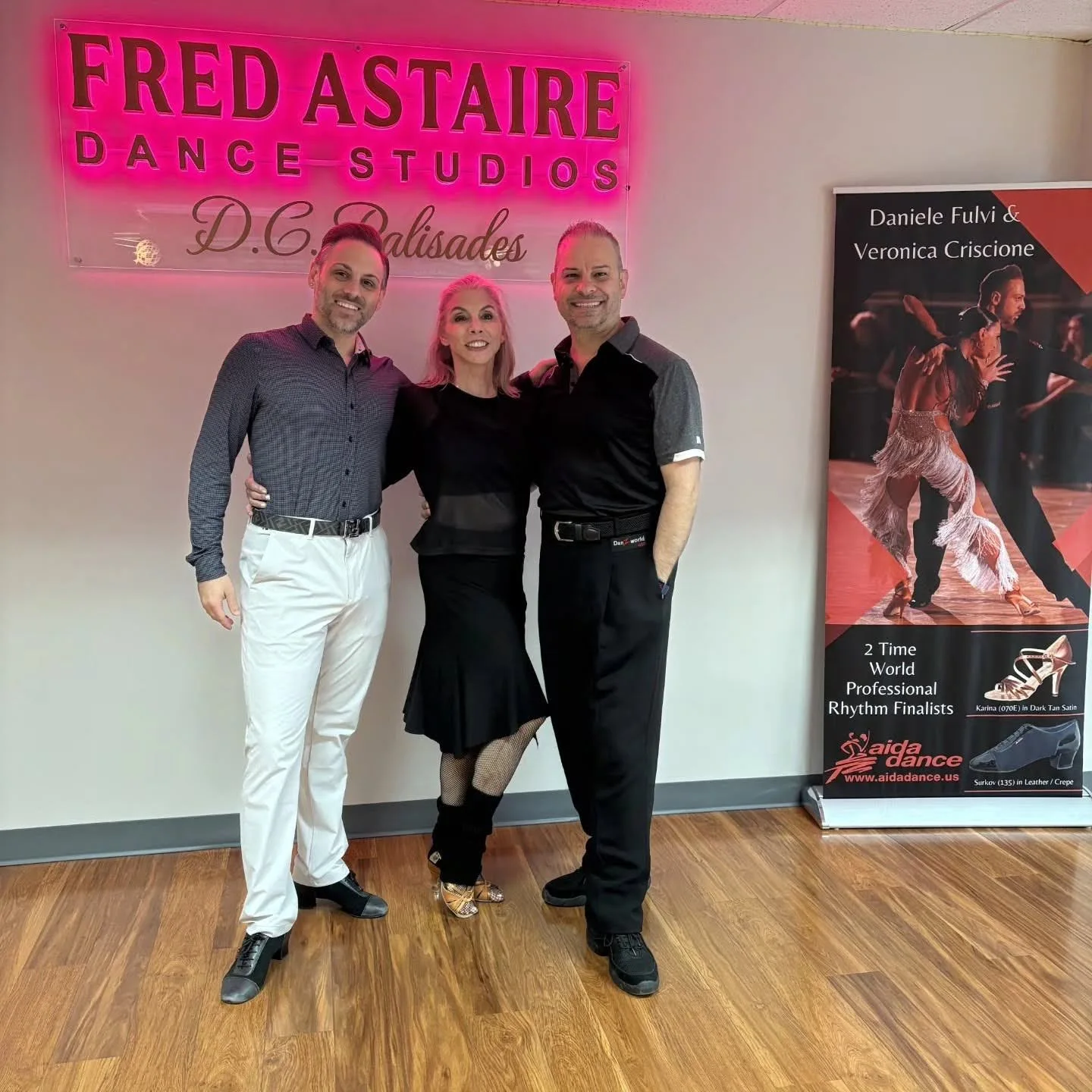
At Fred Astaire Dance Studios – Palisades, we understand that everyone learns differently. That’s why we make dance lessons accessible and welcoming for all. For over 11 years, we’ve helped beginners build rhythm, footwork, connection, and confidence through personalized programs designed around your needs.
Ready to get started?
Book your introductory lesson today, or stop by 5185 MacArthur Blvd, Suite 250 in Washington, DC.

