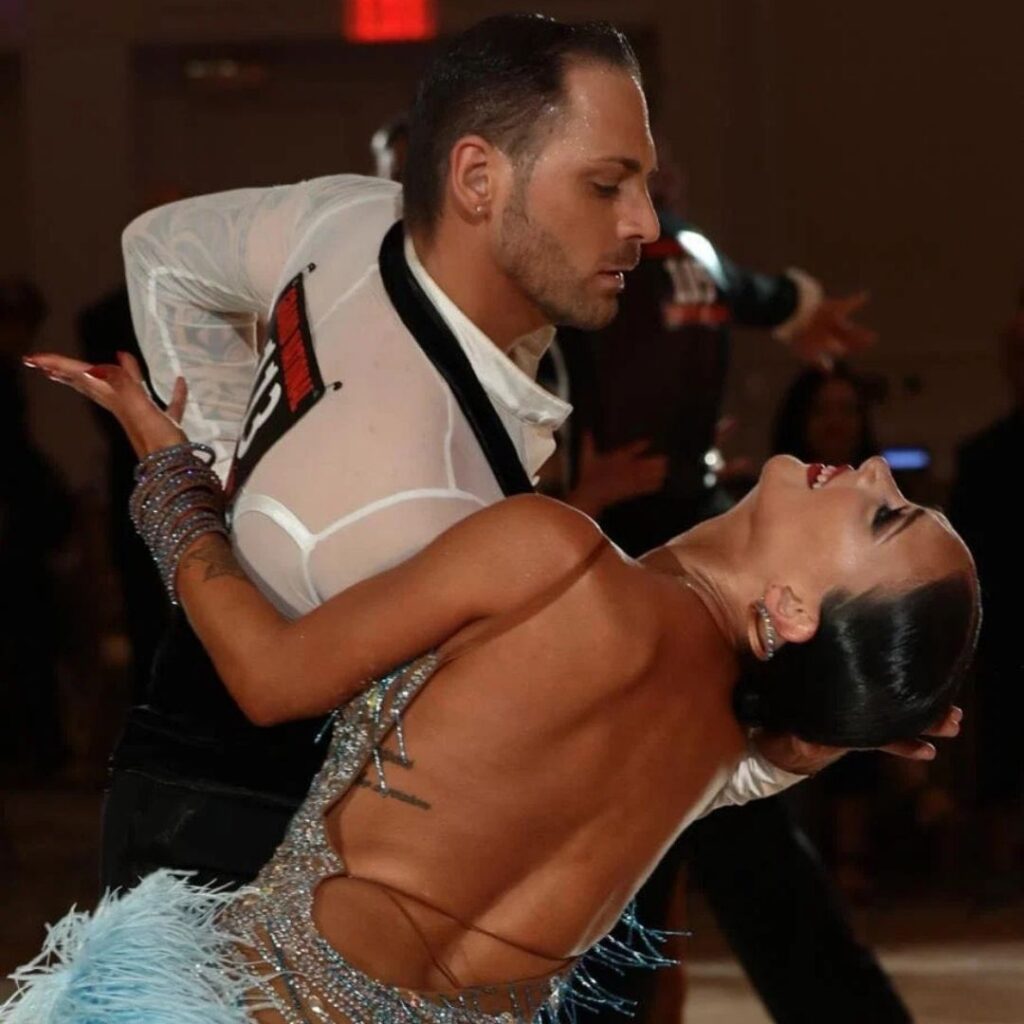
Hustle is all about bringing the excitement and energy of the 1970s disco era to today’s dance floors. With its fast footwork, upbeat music, and smooth partner connections, it’s a style that’s both playful and inviting. Although it started in the disco scene, today it’s a fun, versatile style you can enjoy at weddings, parties, and nightclubs.
Let’s take a closer look at the origins of this popular dance, its technique, and its modern-day appeal.
What Is Hustle Dance?
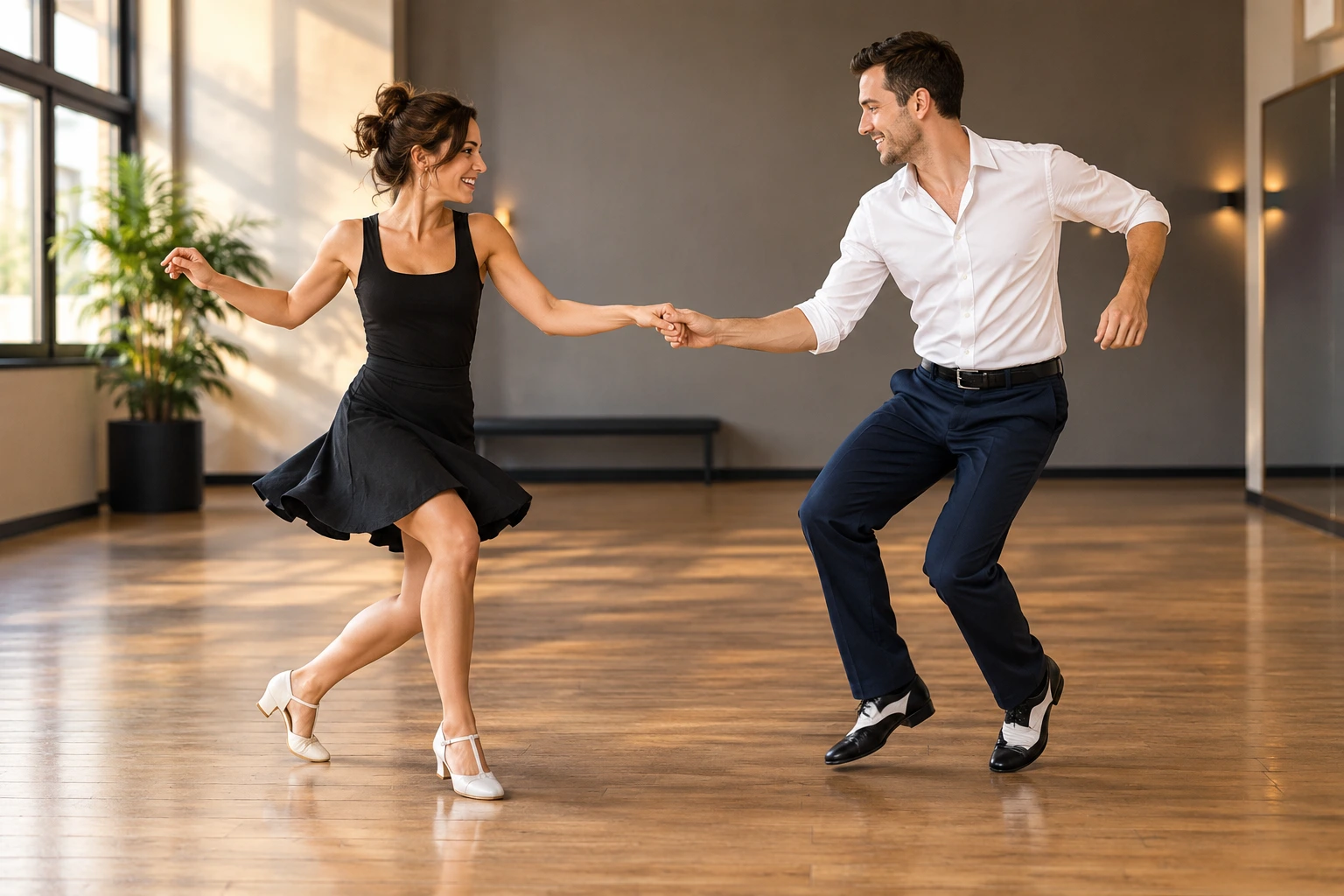
The Hustle began in New York City in the early 1970s, inspired by disco music, Latin dances, and young dancers’ creativity as they searched for something new. What makes this style different from other disco styles is its rhythmic steps, fun turns, changing partner positions, and how well it fits energetic music.
Unlike some ballroom dances that stick to a strict structure, it gives you room to play. Once you know the basics and how to connect with your partner, you can mix things up, try new combinations, add your own turns, or change directions.
One of the best things about this style is its versatility. You don’t need a huge podium to enjoy it. Just a little space is enough, so it works well at crowded parties or in a studio.
If you want to feel more confident dancing with a partner, but don’t want something too formal, this style is a fantastic way to get started and have a great time.
The History of Hustle: From the 1970s to the Present Day
How It Began in New York
It emerged from the vibrant social culture of New York in the early 1970s, where Puerto Rican teenagers from the South Bronx played a significant role in the development of “Latin Hustle.” Early versions varied in their movements and timing, reflecting the creativity of local dancers and the music they enjoyed.
As it spread through clubs and neighborhood gatherings, dancers incorporated influences from Salsa, Mambo, and other partner dances. The result was a style that combined rhythmic footwork with a more dynamic approach to partner dancing.
The interesting part is that this style wasn’t merely invented by the disco industry. It evolved from communities of dancers who experimented with movements, shared ideas, and developed their own ways of responding to the music.
The Disco Boom of the 1970s
This dance reached a wider audience during the mid-to-late 1970s. The hit “The Hustle” by Van McCoy and the Soul City Symphony helped establish this style as part of mainstream popular culture.
The 1977 movie “Saturday Night Fever” further cemented the place of disco dancing in the public consciousness.
The clubs became spaces for self-expression, socializing, and musical exploration. Fashion, lighting, and infectious rhythms enhanced the overall experience, while the Hustle provided dancers with a way to interact with their partners, rather than dancing individually.
It’s worth distinguishing the Hustle from disco dancing as a whole. The scene of the 1970s encompassed line dances, solo dancing, and various forms of partner dancing. This style was a significant component of that broader movement.
Evolving Beyond Disco
As the popularity of disco waned, the Hustle persisted within social dance communities. Dancers incorporated new movements from other partner dances, developed fresh variations, and explored more complex turns and combinations.
The modern style retains the spirited essence of its disco roots while offering far greater scope for personal expression. Today, one can see rapid changes of direction, smooth traveling movements, creative hand connections, and elaborate turns.
The music has also expanded. While classic disco remains a natural fit, you can enjoy the Hustle to funk, pop, and contemporary tracks.
Its enduring appeal stems from its adaptability. An example of how a dance can evolve alongside music without losing its distinctive rhythmic character.
Types of Hustle Dances
As we previously mentioned, this style has evolved into several variations, each reflecting different musical influences, regional traditions, and movement styles.
Latin or Spanish: Combines the energetic partner movements of Hustle with a rhythm inspired by Latin culture. The precise technique may vary between different dancing communities.
New York: One of the most well-known variations, characterized by syncopated footwork, fluid partner connections, and smooth turns. It’s most commonly danced to funk, disco, and contemporary music.
Tango Style: Incorporates elements associated with the Tango, creating a more dramatic feel through changes in direction, sharper movements, and expressive interaction with one’s partner.
Detroit Style: A regional variation linked to the social culture of Detroit, reflecting the city’s musical influences and its distinctive approach to partner dancing.
Although these styles share the energetic and social nature of Hustle, their technique, timing, and style can differ.
What Are the Basic Steps?
The basic rhythm of Disco Hustle, also known as New York Hustle, is counted “&1, 2, 3.” Each basic takes three beats of music, so the pattern repeats twice every six beats. Because disco music is in 4/4 time, each new basic starts in a slightly different place in the bar, which gives it a smooth, rolling feel.
The “&” is a quick half-beat: a small rock step back onto the ball of the foot. On “1, 2, 3,” both partners come back toward each other and settle into the rhythm.
| Count | Leader | Follower |
| & | Step back with the left foot | Step back with the right foot |
| 1 | Transfer weight forward to the right foot | Transfer weight forward to the left foot |
| 2 | Step in place with the left foot | Step in place with the right foot |
| 3 | Step in place with the right foot | Step in place with the left foot |
Tips for Getting the Basic Right
- Keep the rock step small. The “&” is a quick step on the ball of the foot, not a full step back.
- Mirror your partner. On the “&,” you both rock back away from each other, then come together on “1.”
- Count out loud at first. Saying “&1, 2, 3” helps you feel where the pattern starts in the music.
Once the basic feels comfortable, you can add spins, turns, and variations in hand positions.
Bring Disco to Life With Hustle Dance Lessons in Washington, DC
Hustle is a great way to feel the vibrant spirit of the disco era, combining playful spins, upbeat music, and unique footwork.
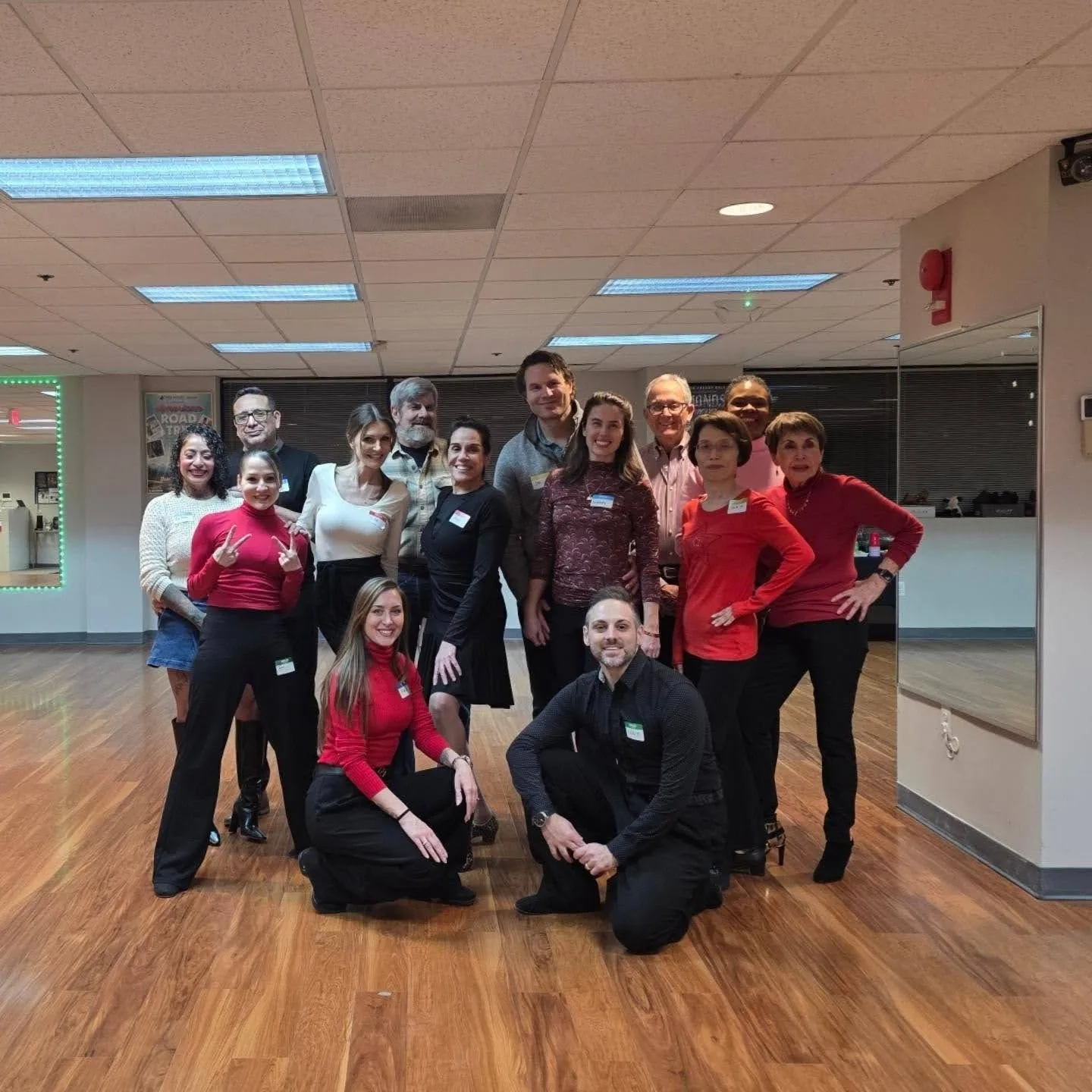
Private sessions at Fred Astaire Dance Studios – Palisades let you experience that energy with personal guidance in a welcoming space.
Our team will walk you through the basic rhythm and help you build confidence in your musical timing, turns, and connection with your partner. Private lessons give you plenty of room to ask questions, repeat challenging movements, and progress without comparing yourself to others.
Fill out the form to schedule your first lesson.