

To learn Salsa well enough, it usually takes 3 to 6 months. But reaching a more advanced level can take 6 – 12 months or more.
If you’re starting, that timeline might sound vague. But in reality, it’s pretty straightforward once you understand how the process goes.
For most, this process means moving from feeling unsure and overthinking every step to moving naturally and staying on beat.
It’s not about being perfect. It’s about reaching a point where dancing feels comfortable and social, not stressful.
The reason the timing isn’t the same for everyone is that it depends on how often you practice, the quality of your lessons and what you want out of it.
Whether you’re looking into Salsa lessons in Washington for adults or trying to find the right class for you, this will give you a realistic idea of what to expect.
First Things First: What Does It Mean To Learn Salsa Well?
Before we talk about time, we need to be clear on the goal.
For most adults, “learning Salsa well” isn’t about performing or competing. It’s about being able to:
- Stay on beat without counting in your head
- Lead or follow naturally
- Move smoothly through basic patterns
- Feel comfortable at social dance events
- Enjoy the music instead of stressing over it
After learning the basics, you’ll continue to refine them or move on to learn more advanced techniques.
And that matters, because learning Salsa isn’t something you ever “finish.” Even experienced dancers are still learning years later.
Timeline Based on How People Actually Learn
Week 1: You’re Already Dancing
Here’s what you don’t know. You’ll start dancing on day one.
In class, you’ll learn:
- The basic step
- The rhythm (usually counted 1-2-3, 5-6-7)
- Your first simple turn
That small win early on is what makes Salsa so addictive.
Here, almost everyone starting will struggle with what to do with their arms. Most will feel stiff or unsure, either holding them too tight or letting them hang awkwardly. That’s completely normal. At the beginning, your focus should be on steps and timing. Arm movement starts to feel natural later when the body gets used to the rhythm.
1–2 Months: You’re Not Lost Anymore
After a few weeks of trying to learn Salsa, things start to click and most people can:
- Follow the rhythm without thinking about it
- Do basic turns and simple combinations
- Dance through a full song
Within 4 to 8 weeks, you’ll feel more comfortable.
At this stage, your arm movement starts to improve naturally. Instead of feeling stiff, your arms start moving smoothly to the rhythm. You are not thinking about it; it just starts to happen. You also may begin to notice some of the benefits dancing brings you.
If you’re taking Salsa lessons in Washington for adults, finding a great dance studio with strong knowledge of fundamentals will help you a lot and make everything easier later.
2–4 Months: Confidence Starts to Build
This is when Salsa shifts from confusing to fun.
You’ll notice that:
- You’re no longer staring at your feet
- Transitions between moves feel smoother
- You can dance with different partners
- You start enjoying the music instead of only keeping up
This phase is often called the “social beginner” stage. You’re not advanced, but you can go out dancing without feeling out of place.
3–6 Months: You Can Dance In Public
For most people, six months is the big milestone.
With consistent practice, you’ll be able to:
- Dance to many songs in a row
- Adapt to different partners
- Stay on time without overthinking
- Feel confident in a social setting
After grasping everything listed, you’ll stop feeling like a beginner and start feeling like you actually belong on the dance floor.
6–12 Months: You Actually Look Good Dancing
Now the focus shifts from what you dance to how you dance.
At this stage, you start refining:
- Body movement and styling
- Smoothness and control
- Musicality and matching your movement to the music
- Cleaner leading or following
This is when dancers begin to stand out. Not because they know more moves, but because everything looks more natural.
1 Year and Beyond
Sticking with Salsa for a year or more, you’ll start realizing how much more there is to learn.
That’s normal.
Advanced dancers will tell you that mastery takes years. For many, it becomes a long-term passion rather than a short-term goal.
But by this point, you’re no longer chasing basics. You’re developing your own style.
What Speeds Up (or Slows Down) Your Progress
Not everyone learns at the same pace, and that’s completely normal. Here’s what actually makes the biggest difference:
1. Consistency Over Everything
One class a week, every week, will take you further than short bursts of motivation.
Salsa is muscle memory. It builds over time.
2. The Learning Environment Matters
There’s a big difference between:
- Random drop-in classes
vs - Structured programs with clear progression
If you’re comparing the best Salsa classes in DC, look for places that build skills step by step. Not the ones that teach random combinations every week.
3. Social Dancing Is Where Progress Speeds Up
The more time you spend trying to learn Salsa the right way, the faster your confidence builds.
Classes teach you moves. Social dancing teaches you how to actually dance.
You’ll learn to:
- Adapt to different partners
- Recover from mistakes
- Stay relaxed under pressure
Most people improve faster once they start going out to dance. This is usually right before they feel fully ready.
4. Private Lessons Can Fast-Track Progress
If you want to get to your goal faster:
- Group classes build your foundation
- Private lessons fix mistakes quickly
Even a few private sessions can save you months of frustration.
5. Online Learning Has Its Limits
You can learn the basics from videos, but Salsa is a partner dance.
What you can’t learn online without dancing with real people?
- Connection
- Lead and follow
- Real-time reaction
Is It Hard To Learn Salsa?
Surprisingly, it’s not as hard as you may think.
The basics are simple, and most people can start dancing within their first class.
The real challenge isn’t the steps, it’s:
- Timing
- Coordination
- Relaxation
- Partner connection
That’s why consistency and good instruction matter more than talent.
So… How Long Does It Take?
So if you’re wondering how long it takes to learn Salsa, the answer depends on your consistency and environment.
Here’s the most honest breakdown:
- 1 class: You learn the basics
- 1–2 months: You can dance to a simple song
- 3–6 months: You feel confident socially
- 6–12 months: You look smooth and natural
- 1+ years: You develop your own style
But here’s what most people don’t say enough:
You don’t have to wait until you’re “good” to enjoy Salsa. You’ll start enjoying it within weeks – not months or years.
Start Learning Salsa the Right Way
If you’ve made it this far, you already get it, learning Salsa isn’t about rushing. It’s about building confidence step by step and actually enjoying the process.
That’s exactly how it should be taught.
If you’re ready to learn Salsa in a structured, supportive environment, starting with the right studio will make all the difference.
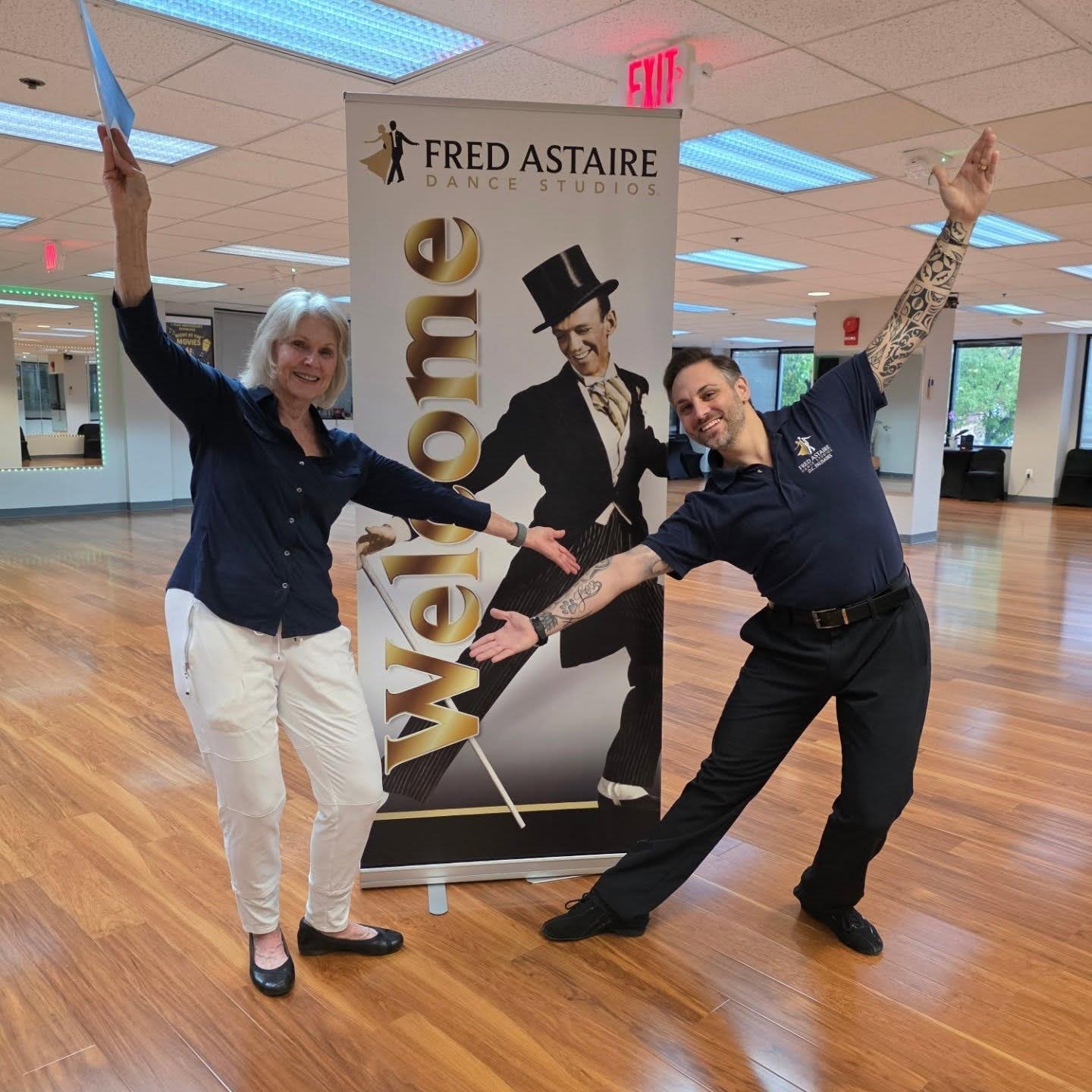
At Fred Astaire Dance Studios Palisades in Washington, DC, Salsa lessons are built around you, not the other way around. Whether you’re starting from zero or looking to refine your technique, the focus is on helping you feel comfortable and then building from there.
Instead of throwing complicated patterns at you, experienced instructors break everything down into simple, easy steps. The goal isn’t just to memorize steps—it’s to help you actually dance.
📍 Visit: 5185 MacArthur Blvd NW #250, Washington, DC 20016
📞 Call: 888-900-3912
Whether your goal is to feel confident on the dance floor, meet new people, or just try something new, Salsa is one of the most rewarding dances you can learn.
All that’s left now is to take that first step.