

Performance anxiety, or the fear of performing in front of others, is something that many people experience. Whether you are preparing for a dance recital, a speech, or any type of performance, the nerves can be overwhelming. The good news is that there are several ways to manage this anxiety and turn it into positive energy. Below are some effective tips for handling performance anxiety and nerves that can help you stay calm and focused, enabling you to perform at your best.
1. Prepare Thoroughly
Preparation is key when it comes to reducing performance anxiety. Knowing that you’ve practiced and prepared for your performance will help build confidence. Whether you’re learning a new dance routine, a speech, or an instrumental piece, the more you rehearse, the more natural it will feel when the time comes to perform. When you’ve put in the effort and honed your skills, the nerves will feel less intimidating.
2. Visualize Success
Visualization is a powerful tool for managing anxiety. Before your performance, take a moment to close your eyes and imagine yourself executing every movement or speaking every word with confidence. Visualizing yourself succeeding will help program your mind to expect success. It can also calm the physical symptoms of anxiety by helping you feel more prepared and capable.
3. Practice Relaxation Techniques
Relaxation techniques, such as deep breathing and mindfulness, are effective ways to manage anxiety. Deep breathing, in particular, can help calm your body and mind. When you start feeling nervous, take a few slow, deep breaths to lower your heart rate. Focus on the present moment and let go of any anxious thoughts. Additionally, progressive muscle relaxation (PMR) is a method where you tense and then relax various muscle groups to reduce stress.
4. Focus on the Process, Not the Outcome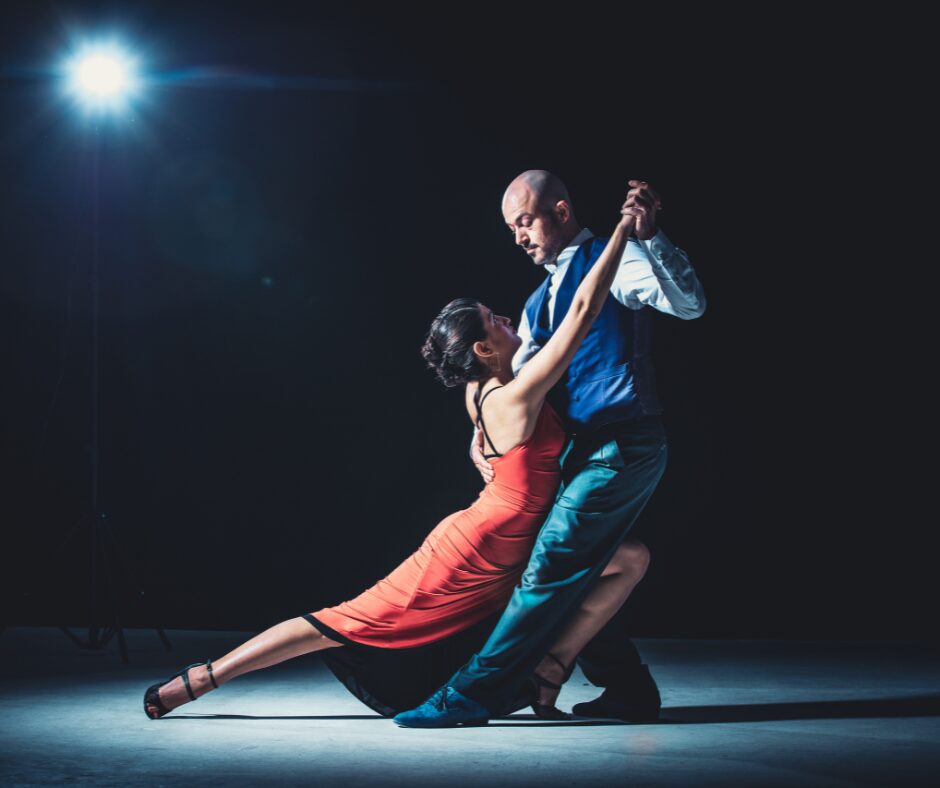
One common source of anxiety is worrying about how the performance will be perceived. This fear of judgment can cause overwhelming stress. Instead of focusing on the outcome, concentrate on the process and the task at hand. For dancers, this could mean focusing on each step, each movement, and the rhythm. For speakers or performers, focus on your delivery, and the message you want to convey. Keeping your attention on the process allows you to stay grounded and helps prevent you from becoming paralyzed by perfectionism.
5. Positive Self-Talk
The way you talk to yourself can have a huge impact on your mindset. Negative self-talk can increase anxiety and make you doubt your abilities. Replace thoughts like, “I’m going to mess up” with affirmations like, “I’ve practiced and I’m ready for this.” Remind yourself that everyone experiences some level of nerves and that it’s completely normal to feel this way. Positive affirmations can shift your mindset from one of fear to one of empowerment.
6. Perform in Front of Friends or Family First
Before performing in front of a large audience, it can be helpful to rehearse in front of a smaller, supportive group of friends or family. This practice run can simulate the real thing and help you get used to the sensation of performing for others. It also gives you an opportunity to receive constructive feedback in a safe environment. The more you perform in front of others, the more comfortable you will become with the experience.
7. Embrace the Nerves
Believe it or not, some anxiety can actually be beneficial. A little bit of nervous energy can help sharpen your focus and keep you alert. Instead of trying to completely eliminate your nerves, acknowledge them and use them to your advantage. Turn those nerves into excitement and energy that drives your performance. Embrace the fact that you care about your performance and use that emotion to fuel your efforts.
8. Have a Pre-Performance Routine
Many performers swear by pre-performance rituals or routines. This could be anything from stretching, listening to calming music, meditating, or even having a special snack. These rituals help signal to your brain that it’s time to perform, allowing you to enter the right mental state. Establishing a routine can provide a sense of comfort and control, reducing the uncertainty that often fuels anxiety.
9. Accept That Mistakes Happen
It’s easy to get hung up on the fear of making a mistake, but it’s important to remember that everyone makes mistakes. If you stumble, it’s okay! Mistakes are part of the process, and the key is how you handle them. Instead of letting a mistake derail your performance, take a deep breath and keep going. The audience is often more forgiving than you think, and they may not even notice small missteps.
10. Connect with the Audience
One of the best ways to overcome nerves is to shift your focus away from yourself and toward your audience. Performers often feel anxious because they are worried about how others will perceive them. However, most people in the audience are supportive and want to see you succeed. Instead of worrying about judgment, try to engage with your audience. Smile, make eye contact, and share the experience with them. The more connected you feel to the people you are performing for, the less you will focus on your own nerves.
End Your Performance on a High Note
After your performance, take a moment to acknowledge your hard work. Celebrate your success, whether it’s big or small. Recognize that every performance, even those with nerves or mistakes, is a step toward growth. By reflecting positively on your achievements, you’ll be better prepared for the next performance.
If you’re looking for a supportive and welcoming environment to further develop your dance skills and reduce performance anxiety, come visit our Fred Astaire Dance Studio of North Scottsdale. Our expert instructors provide personalized guidance to help you feel confident on and off the dance floor. Whether you’re preparing for a big event or just looking to have fun, our studio is here to support you every step of the way! Call us at (480) 473-0388 to schedule a private lesson or join one of our group classes. Let’s dance into a healthier, happier lifestyle together!