

The 12 types of ballroom dance include Waltz, Tango, Foxtrot, Quickstep, Viennese Waltz, Cha-Cha, Rumba, Samba, Paso Doble, Jive, Bolero, and Mambo.
Ballroom dancing is one of the most elegant and expressive forms of partner dance. It has evolved over centuries and remains popular at social events, competitions, and dance schools worldwide. From romantic Waltzes to energetic Latin rhythms, ballroom dance includes a wide variety of styles. Each one has its own history, technique, and personality.
Traditionally, they are divided into two major categories: Standard (or Smooth) and Rhythm.
1. Waltz
The Waltz is one of the most well-known ballroom dances and has been around for centuries. It first appeared in Europe in the 1700s and quickly became popular at royal courts and social gatherings. It follows a 3/4 rhythm, and is counted as “one-two-three.”
What makes the Waltz so recognizable is its graceful rise and fall. Partners move across the floor with long, sweeping steps while maintaining a classic ballroom hold.
Because of its elegant and romantic style, the Waltz is often seen at weddings, formal events, and ballroom competitions. It’s also a common starting dance for beginners since the basic steps are fairly simple.
2. Tango
The Tango is one of the most dramatic and passionate types of ballroom dances. It originated in Argentina in the late 19th century. Then it spread to Europe, where it evolved into the ballroom version performed today. The Tango demands sharp movements, strong body lines, and sudden pauses.
Dancers often perform staccato steps that match the bold accents of Tango music. It emphasizes intense eye contact, precise footwork, and dramatic expressions. In ballroom competitions, Tango choreography often includes quick direction changes and powerful poses.
There are two types of Tango: American & Argentine
American Tango follows a more structured format with defined patterns. Argentine Tango is more improvisational. And it focuses on the connection between partners and intricate footwork.
3. Foxtrot
One of the things that makes the Foxtrot so appealing is how effortless it looks.
It was developed in the United States in the early 20th century and became popular during the jazz era. It is typically danced to big-band or jazz music and features a combination of slow and quick steps.
Experienced dancers move across the floor with long, smooth steps that feel light and natural. Because of its elegant style and the wide range of music it can be danced to, it remains popular in both social dancing and ballroom competitions.
4. Quickstep
The Quickstep is a lively and energetic ballroom dance that evolved from the Foxtrot. As its name suggests, it is much faster and includes playful elements such as hops, kicks, and quick runs across the floor.
Despite its speed, it requires excellent technique and coordination. Dancers must maintain a light and buoyant appearance while performing complex footwork patterns.
5. Viennese Waltz
The Viennese Waltz is a faster version of the traditional Waltz and is famous for its continuous turning movements. It originated in Austria and became extremely popular in Vienna during the 18th and 19th centuries.
This type of Waltz features rapid rotations that create a mesmerizing spinning effect on the floor. Dancers move in large circles around the room while maintaining precise timing and posture.
6. Cha-Cha
The Cha-Cha is a lively Latin ballroom dance that originated in Cuba during the 1950s. Its name comes from the distinctive triple-step rhythm that sounds like “cha-cha-cha.”
This style is playful and flirtatious, and it often features quick footwork and expressive hip movements. It requires strong rhythm and coordination because dancers must emphasize the characteristic triple step while maintaining precise timing with the music.
7. Rumba
The Rumba is often referred to as the “dance of love.” It is one of the slowest Latin ballroom dances and focuses heavily on emotion and storytelling.
Rumba movements emphasize controlled hip action, slow steps, and expressive gestures between partners. Many routines portray a romantic interaction between the partners, highlighting themes of attraction, tension, and connection. Because of its slower tempo, it requires strong balance and body control to perform each movement smoothly.
This is a good dance style to start with as a beginner!
8. Samba
Samba is an energetic Latin dance inspired by Brazilian carnival traditions. It is known for its characteristic bounce action, which gives it a lively and rhythmic appearance.
Samba routines often include quick steps, spins, and playful movements that match the upbeat music. The dance captures the festive spirit of Brazilian culture, making it one of the most exciting styles in ballroom competitions.
9. Paso Doble
The Paso Doble is one of the most theatrical types of ballroom dances. Inspired by Spanish bullfighting, it portrays the dramatic interaction between a matador and the bull.
In this style, the leader typically represents the matador, while the partner symbolizes the cape or the dramatic setting of the fight. Movements are bold and powerful, with strong poses and sharp turns that reflect the intensity of the performance.
10. Jive
The Jive is a fast-paced and energetic dance derived from Swing styles in the United States. It features lively kicks, flicks, and jumps performed to upbeat music.
Jive is one of the most physically demanding ballroom dances because of its speed and continuous movement. Dancers must maintain strong stamina while keeping their performance light, playful, and entertaining.
11. Bolero
Bolero is an American ballroom dance that blends elements of the Rumba with the rise-and-fall technique of the Waltz. It has a slow tempo and emphasizes smooth, flowing movements.
Bolero routines often highlight romantic storytelling and graceful transitions between steps. Its unique combination of Latin rhythm and ballroom elegance makes it distinct from other dances.
12. Mambo
The Mambo originated in Cuba and became popular in the United States during the mid-20th century. It’s characterized by quick steps, syncopated rhythms, and dynamic turns.
What makes Mambo unique is the way dancers play with the music, often pausing or hitting strong accents during musical breaks. The lively rhythm and fast movements make it exciting to watch and fun to dance.
Exploring the Different Types of Ballroom Dance
For beginners, exploring several types of ballroom dance can also help you discover which style you enjoy the most. Some people are drawn to romantic and graceful dances, while others prefer energetic Latin rhythms or dramatic styles.
The best way to truly appreciate the different types is to experience them in dancing classes.
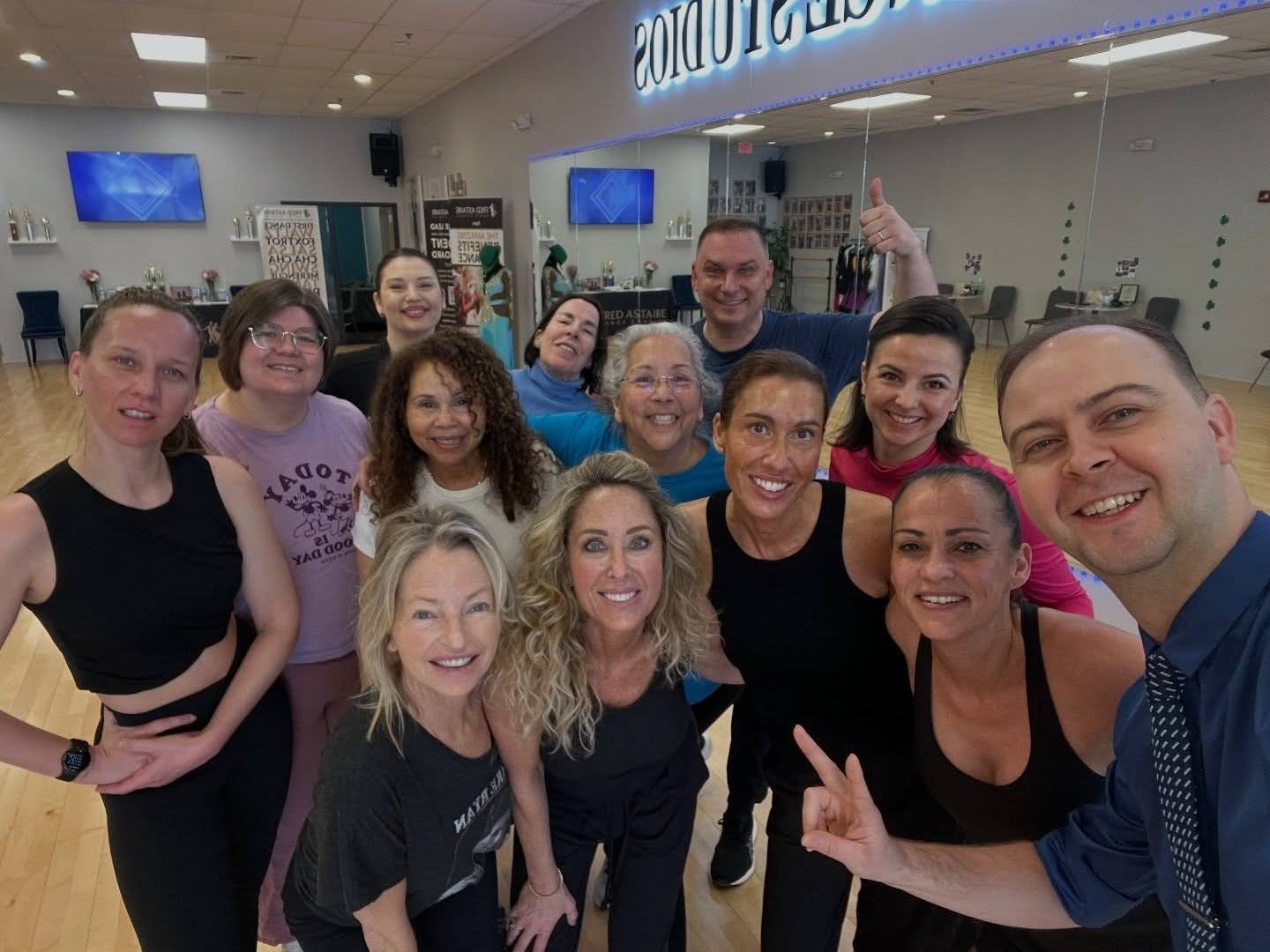
Come to try some of the different types of ballroom dances at Fred Astaire Dance Studios Apex!