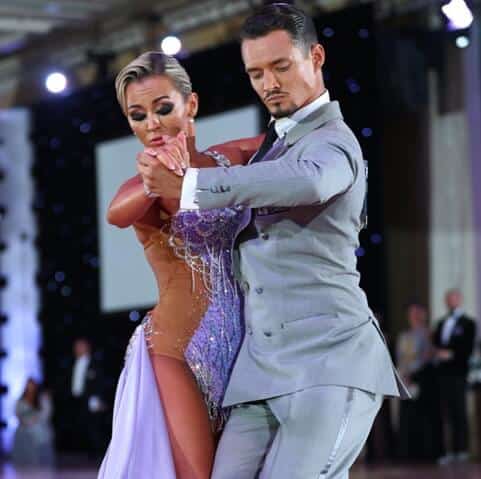
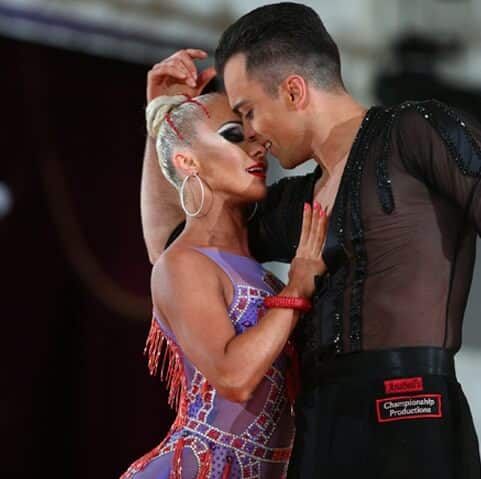
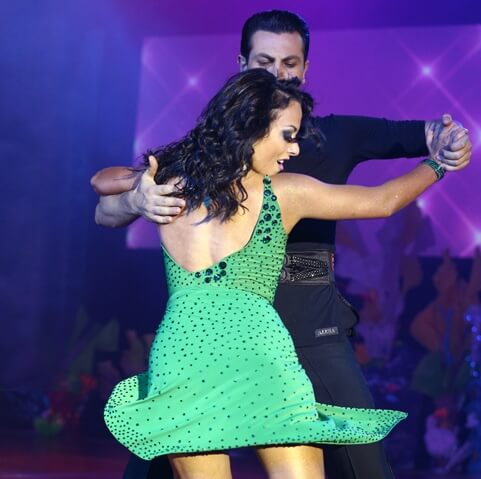
Regardless of your age, dancing ability or dance preferences, you’ve come to the right place: Fred Astaire Dance Studios – Atlanta Midtown! We would love to help instruct you in either the International or American Ballroom Dance Styles, or both!
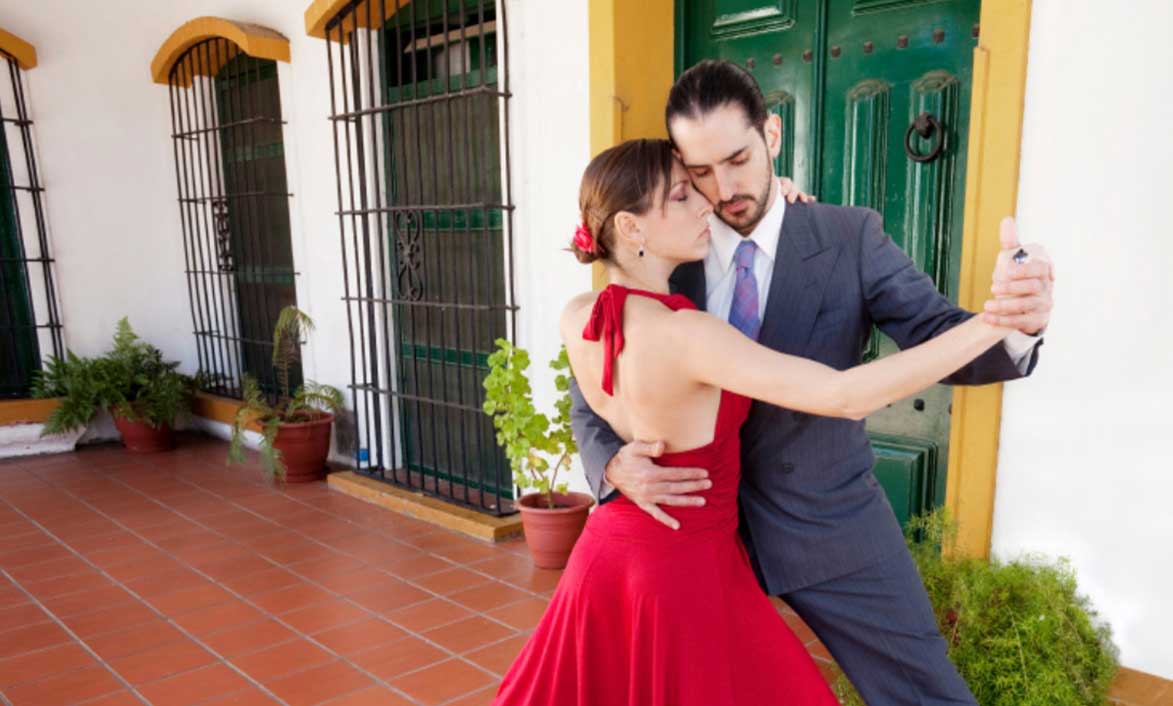
Argentine Tango
Although the exact origins of the dance (and the world) are lost to legend, Tango originated in Argentina in the late 1800s
Ballroom dancing is that perfect combination of physical activity, social interaction, and mental stimulation, it can bring so much to your life – and it’s FUN!!
With all these reasons to start dancing – we challenge you to find a good reason NOT to dance.
An atmosphere of kindness, warmth and fun awaits you at every Fred Astaire Dance Studio! It’s what our students tell us they notice from the first time they step inside – an energy and sense of “FADS community” that is 100% welcoming, non-judgmental, and truly joyful!
Since 1947, our passion is helping to enrich lives – physically, mentally, emotionally and socially – through the positive, transforming power of dance. There are thousands of reasons why people start dance lessons… and once we show you how much fun ballroom dancing can be, we know you’ll want to keep coming back. From wedding dance instruction, a new hobby or way to connect with your partner, physical and emotional health, improving your social life…
Great teachers. Everyone should learn to dance from them. Michelle is excellent. She taught me and my fiancée
Arthur Murtagh10 months ago
Excellent place to learn to dance!
mickeyj491 year ago
My lessons with Jewel are a highlight of my week. She’s an amazingly talented and creative dancer and an infinitely patient teacher. I test her patience on a regular basis because my memory leaves something to be desired, at least when it comes to dancing. I would highly recommend her for a student at any level. Also, she always laughs at my jokes.
DeWitte Thompson1 year ago
This is a great place to learn to dance. They are very patient and helpful and Xin Yi is a great instructor!
Stephanie Valenti1 year ago
Great experience so far! We are two lessons in and Xin Yi is great.
Dawn Miller5 year ago
I absolutely love the atmosphere and energy at this studio! Everyone is friendly and welcoming, and even as a beginner, I have never felt at all awkward (though I know I must be!)
Kimberly Gayle5 year ago
what fun...I will be back next month
Mark McWhorter5 year ago
Great place to learn the some great dance moves!
Narobi Mkwalu5 year ago
The studio is amazing. Ariana was sooo personable and full of life. Walter was ahhmazing, he helped my anxiety with his wit and Kelly ways to help us remember moves and transition. Would DEFINITELY recommend!!!