

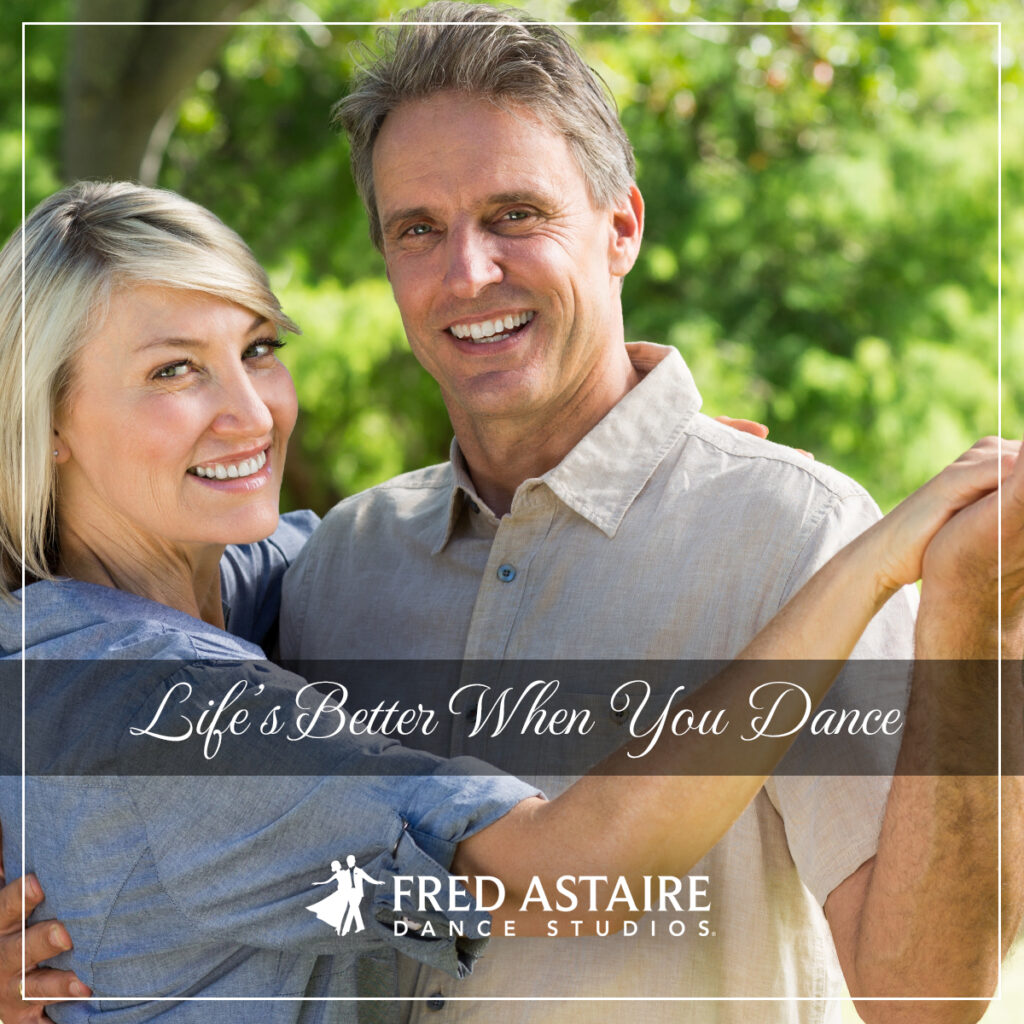
Staying active becomes increasingly important with age, but finding something that feels both sustainable and enjoyable isn’t always straightforward.
Traditional exercise options don’t appeal to everyone. Gyms can feel impersonal or demanding, and routines like walking, while beneficial, can become repetitive over time. As a result, many adults approaching or entering retirement are beginning to look beyond conventional fitness options.
As a result, more adults 55+ are beginning to explore activities that offer not just movement, but variety, connection, and a sense of energy.
For many, that’s leading them to something they may not have considered before: partner dance.
An Activity That Engages More Than the Body
What distinguishes dance from more conventional forms of exercise is its integration of movement with attention, timing, and interpersonal awareness.
Rather than isolating physical exertion, partner dance requires individuals to:
- interpret rhythm
- coordinate movement in real time
- and respond to another person
This layered engagement tends to hold attention in a way that purely repetitive activity often does not. For many, it provides a more absorbing and mentally engaging experience.
Built-In Variety and Ongoing Challenge
Another distinguishing feature of dance is its range.
Students are typically introduced to multiple styles over time, including:
- smooth dances such as waltz, tango, and foxtrot
- rhythm-based dances such as cha cha and swing
- and Latin styles such as salsa and bachata
Each brings a different structure, tempo, and quality of movement. This variety not only prevents monotony, but also provides an ongoing sense of progression and learning: something many adults actively seek.
A Structured Form of Social Engagement
Social connection is an important factor in long-term well-being, yet not all social environments are equally comfortable.
Dance offers a more structured alternative. Interaction is built into the activity itself, which removes much of the ambiguity that can come with unstructured social settings.
Participants engage with others through the shared task of learning and movement, often resulting in:
- consistent, low-pressure interaction
- a sense of familiarity over time
- and an environment that feels both social and purposeful\
Physical Benefits That Support Long-Term Mobility
From a physical perspective, dance supports several key areas associated with healthy aging.
Regular participation can contribute to:
- improved balance and postural stability
- coordination across multiple movement patterns
- and maintained flexibility and mobility
Because partner dance is typically low-impact, it can serve as a sustainable option for those seeking to remain active without excessive strain.
Cognitive Engagement and Brain Health
Dance is also notable for the degree to which it engages cognitive function.
In a widely cited study published in the New England Journal of Medicine, researchers found that among a range of physical and mental activities, dance was associated with one of the greatest reductions in risk of cognitive decline.
This is likely due to the combined demands of:
- learning and recalling sequences
- synchronizing movement with music
- and adapting to timing and variation
These elements require continuous mental participation, making dance both physically and cognitively stimulating.
Accessible, Even Without Prior Experience
Despite common assumptions, prior experience is not a prerequisite.
Many adults begin dance later in life with no background at all. Programs designed for this stage of life typically emphasize:
- clear, structured instruction
- a manageable pace
- and a supportive environment
No partner is required, and individuals are able to participate at a level that feels comfortable.
An Experience That Extends Beyond Activity
For many participants, the appeal of dance extends beyond its individual benefits.
It offers a rare combination of:
- physical movement
- mental engagement
- and social interaction
within a single, cohesive experience.
Over time, it often becomes less of an activity to “fit in,” and more something that naturally becomes part of one’s routine.
Exploring Daytime Dance Classes
At Fred Astaire Dance Studios of Middletown, daytime classes are designed specifically for adults 55+ seeking a thoughtful, structured, and approachable introduction to dance.
The emphasis is on:
- creating a comfortable learning environment
- offering a range of styles
- and allowing participants to engage at their own pace
For those interested in a more engaging and multidimensional approach to staying active, we invite you to explore it for yourself.
We currently offer a Buy One Lesson, Get One Lesson Free introductory option for new students.