

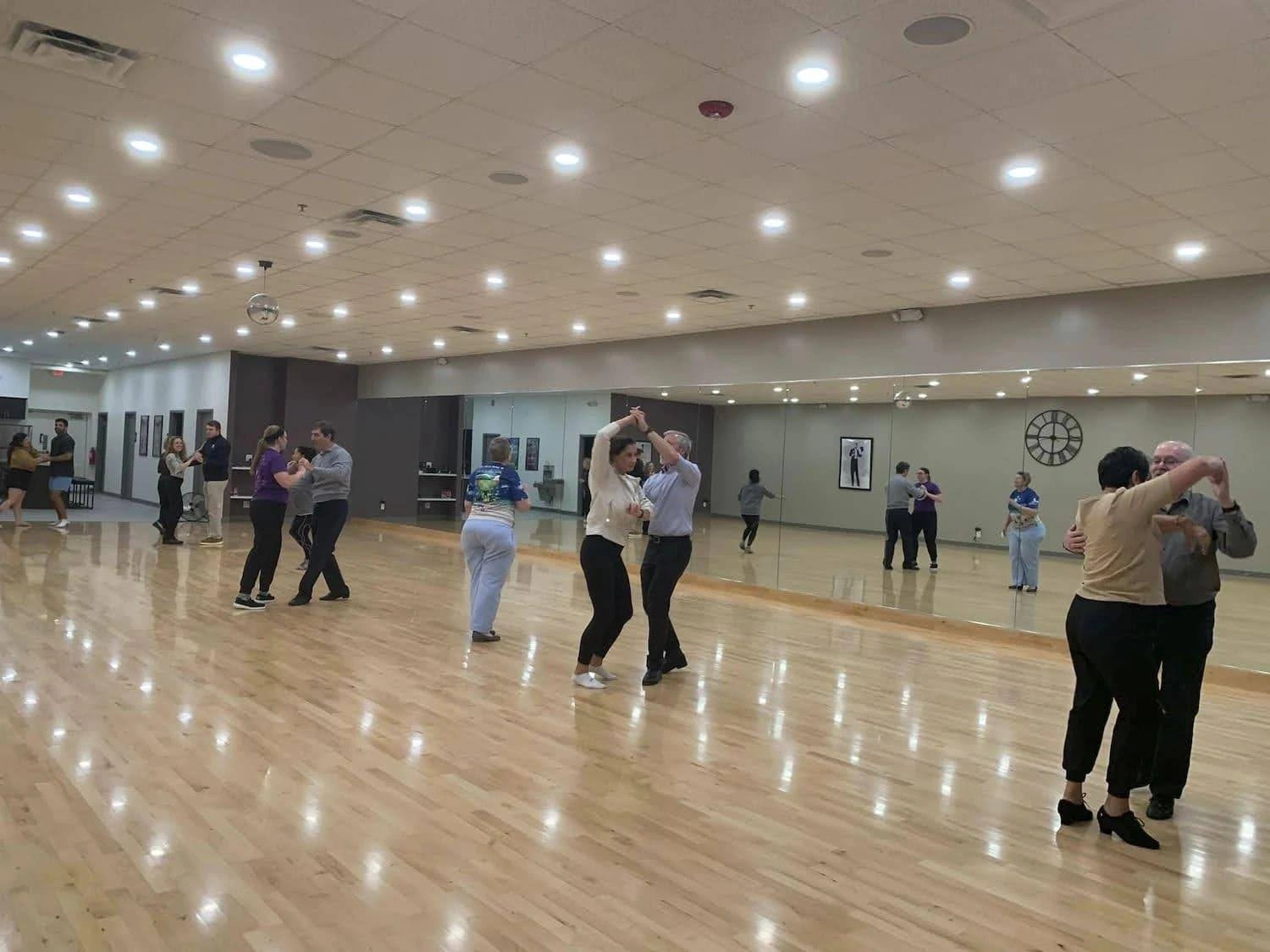
What Are the Types of Ballroom Dances? 4 Main Styles
There are four main types of ballroom dances, known as International Standard, International Latin, American Smooth and American Rhythm. Dancers compete in the first two worldwide. The other two grew up in America, and you’ll mostly see them in the US and Canada.
Beginners often get lost here, especially when an instructor asks which waltz they want. It all comes down to two things: the school a style comes from and the family it belongs to. That’s also where the familiar ballroom vs. Latin dance question comes in.
How Are the Types of Ballroom Dances Grouped?
Ballroom styles are easiest to understand as a two-by-two grid. One split is by school, International or American, and the other is by family, ballroom or Latin.
International Style and American Style
International style started in England and is now the basis of competitive dancing worldwide. It has two parts, Standard and Latin, with five dances each. Those who enter all ten compete in Ten Dance.
American style adds two more, Smooth and Rhythm, which roughly match Standard and Latin. In the US, the rules for recognized competitions come from the National Dance Council of America (NDCA). The official history of the NDCA shows how that role took shape.
Ballroom vs Latin Dance, the Two Families
The difference shows up in the first few bars. Standard and Smooth travel around the floor with long, gliding steps. Latin and Rhythm mostly stay in a smaller space and rely on rhythm and hip action.
The hold follows the same logic. In a closed hold, partners face each other and stay connected in a steady frame. Ballroom couples spend much of their time this way, but Latin and Rhythm partners keep coming together and moving apart.
Quick tip:
- If elegance appeals to you, start with Standard or Smooth.
- If you like energy, start with Latin or Rhythm.
- At Fred Astaire Dance Studios – Ann Arbor, you can learn all four, so you don’t have to choose.
Which Dances Belong to Standard and Smooth?
Standard covers the Waltz, Tango, Viennese Waltz, Slow Foxtrot and Quickstep. Smooth uses the same list minus the quickstep, so these two types of ballroom dances differ mostly in how much freedom partners get.
Why Standard Ballroom Dances Keep a Closed Hold
In Standard ballroom, the frame doesn’t break. The World DanceSport Federation’s overview of Standard and Latin dances says couples perform all five in a closed position. They keep the same hold until the music ends.
American Smooth and Its Open Positions
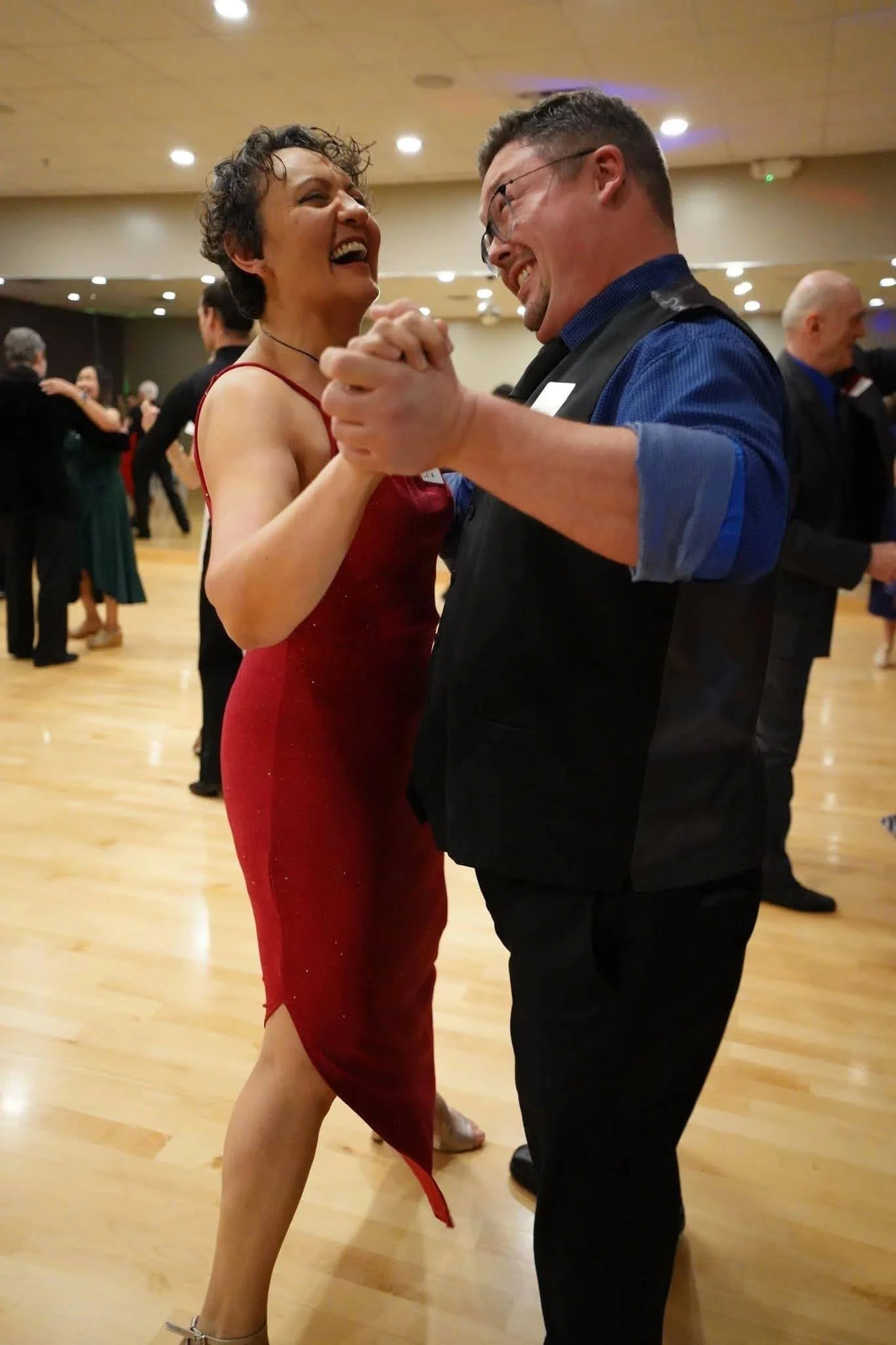
Unlike Standard ballroom, American Smooth lets partners break out of the closed hold. That’s why its Waltz, Tango, Foxtrot, and Viennese Waltz include turns, separate steps and figures where partners move side by side.
Fred Astaire himself helped shape this style, and people often describe Smooth through his film routines with Ginger Rogers. More on Fred Astaire’s life and film career.
Which Dances Belong to Latin and Rhythm?
International Latin features the Samba, Cha-Cha, Rumba, Paso Doble and Jive, while American Rhythm includes Rumba, Cha-Cha, East Coast Swing, Bolero and Mambo. Both are Latin types of ballroom dances, so rhythm matters more than travel. That’s the same difference between ballroom and Latin dance we covered earlier.
Where Do International Latin Ballroom Dances Come From
Every International Latin ballroom dance has its own roots. For example, the Samba comes from Brazil, the Paso Doble takes its inspiration from Spanish bullfighting, and the Jive grew out of 1930s American swing.
What Makes American Rhythm Different
The Bolero is the odd one out in American Rhythm. It’s danced to slow Latin music, but it borrows rise and fall from the Smooth dances, the gentle lifting and lowering through the legs you’d also see in a Waltz.
The guide to the dance styles taught in Ann Arbor covers them all in the table below.
| Style | Family | Dances |
| International Standard | Ballroom | Waltz, Tango, Viennese Waltz, Slow Foxtrot, Quickstep |
| American Smooth | Ballroom | Waltz, Tango, Foxtrot, Viennese Waltz |
| International Latin | Latin | Samba, Cha Cha, Rumba, Paso Doble, Jive |
| American Rhythm | Latin | Cha Cha, Rumba, East Coast Swing, Bolero, Mambo |
Where Do Salsa, Argentine Tango and Nightclub Styles Fit?
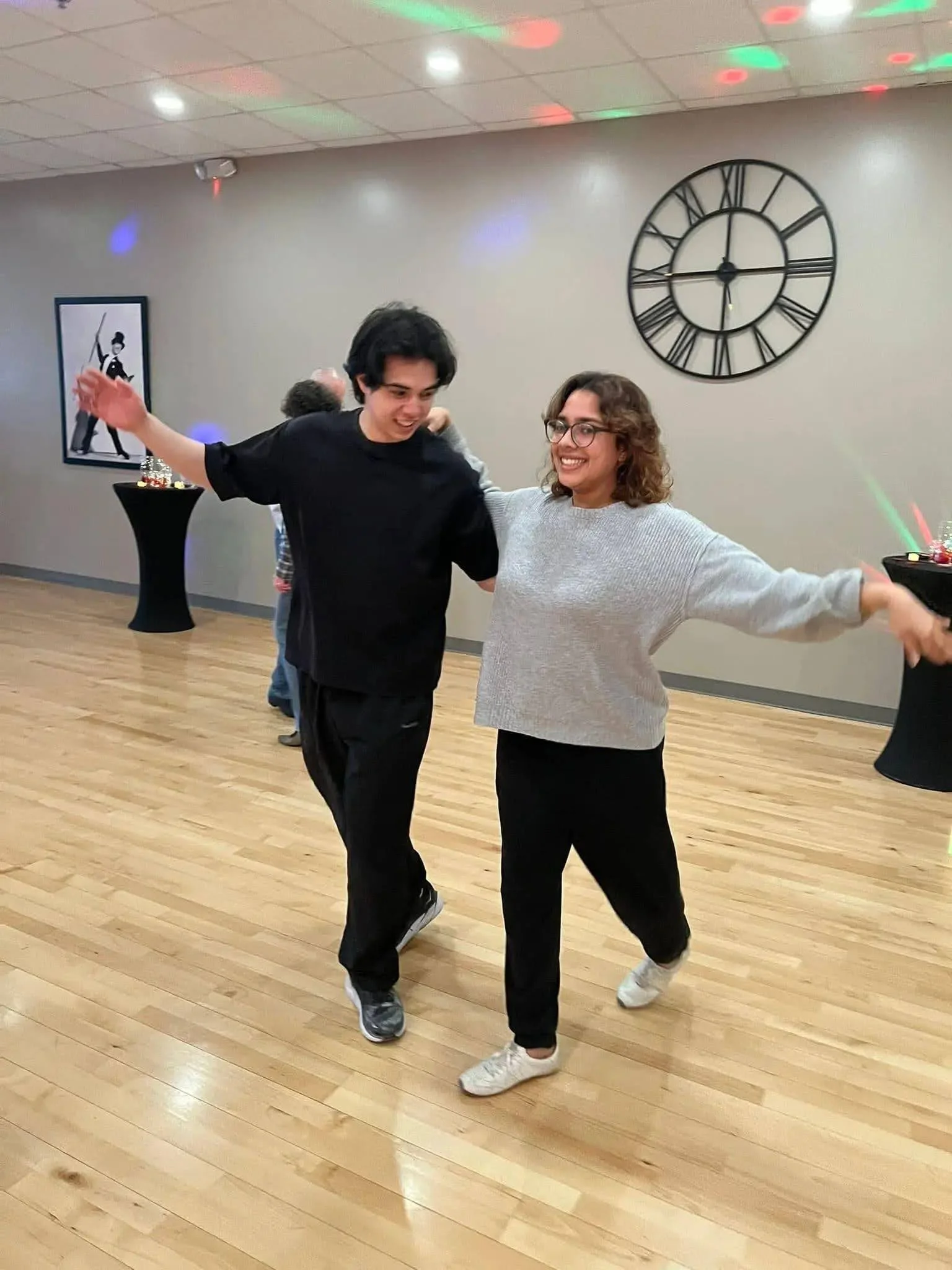
Fred Astaire Dance Studios – Ann Arbor teaches Salsa, Bachata and Argentine Tango too. They just aren’t part of the four classic types of ballroom dances, and are under social and nightclub styles.
Latin Dance Styles Outside the Four Ballroom Styles
When someone wants to learn Latin dance styles, they often mean Salsa, Bachata or Merengue. These grew up as social styles and leave room for improvisation. Hustle and West Coast Swing belong to the same social group, even though they aren’t Latin.
Ballroom vs. Argentine Tango
The two Tangos share a name, but not the technique. In 2009, UNESCO added tango to its list of the Intangible Cultural Heritage of Humanity. It credits the style to working-class communities in Buenos Aires and Montevideo.
Argentine Tango relies on improvisation and a close embrace, while Ballroom Tango uses sharp, staccato movements and travels around the floor.
Start Ballroom Dancing in Ann Arbor, MI
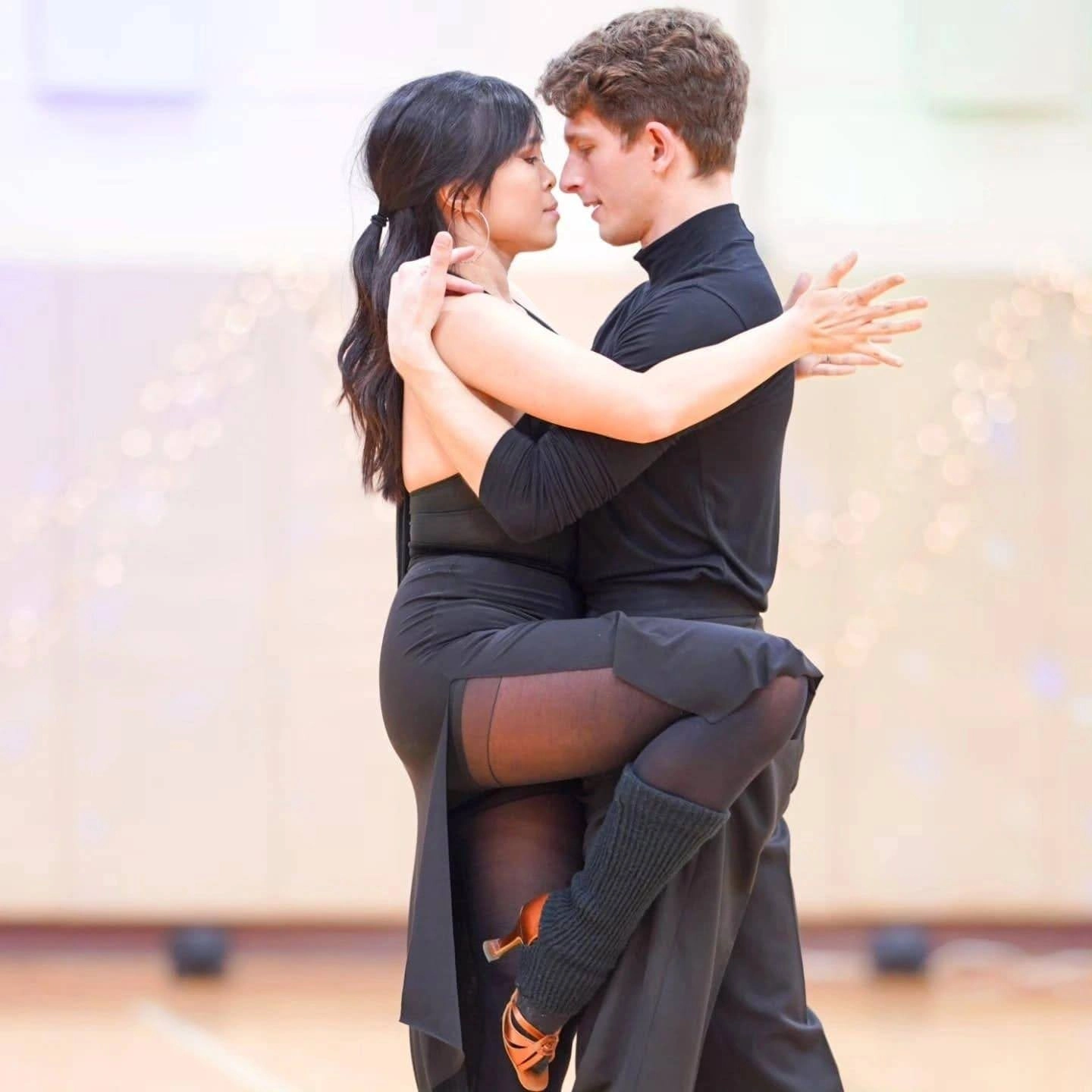
Fred Astaire Dance Studios – Ann Arbor studio has seven instructors and teaches International Standard, American Smooth, International Latin and American Rhythm, plus Argentine Tango and nightclub styles. Lessons take place on our new 2,000 sq ft floor, and the studio sits in a shopping center with easy parking.
Students come from Ann Arbor, Ypsilanti, Saline, Dexter, Brighton and other towns across Southeast Michigan.
To book your first lesson, fill out our form to start dancing.
Frequently Asked Questions
Which Ballroom Dance Styles Are Used in Competitions?
All four are used in competitions. International Standard and International Latin are danced at competitions worldwide, while American Smooth and American Rhythm are mainly competed in the US and Canada. Fred Astaire Dance Studios also hosts its own competitions, where students can dance pro-am: the student competes as an amateur, partnered with their professional instructor.
Can You Learn American and International Style at the Same Time?
You can, but most beginners start with one. The dances share names and music, but the technique differs, especially the hold in Smooth vs. Standard and the hip action in Rhythm vs. Latin.
Do You Need a Partner to Start Dancing in Ann Arbor, MI?
No, you don’t need a partner to start. In private lessons at Fred Astaire Dance Studios – Ann Arbor, your instructor is your partner.
As you progress, group classes and practice parties give you the chance to practice with other students. Partners rotate in group classes, so you get used to dancing with different people, which is exactly what you’ll do at social events. Many students who start on their own soon find they have plenty of people to dance with.