
Dance Steps for Beginners: 5 Basic Steps to Learn First
The best dance steps for beginners are the basic steps of the Waltz, Foxtrot, Rumba, East Coast Swing and Cha-Cha. Each is a short, repeating pattern that’s easy to spot once the music starts.
Plenty of people show up to their first lesson convinced they have two left feet. Then an instructor at Fred Astaire Dance Studios – Ann Arbor shows them three moves, counts to three, and suddenly it all looks a lot simpler.
What Is a Basic Step in Partner Dancing?
A basic step is the short footwork pattern that keeps repeating, and every other figure builds on it. Once you’ve got one down, other basic dance steps usually come easier, because the rhythm’s already in your feet.
Why You Learn It First
The basic step is usually the first thing you learn, because it’s what you return to between fancier figures. Whether you dance with a partner or with your instructor, it gives you both a familiar pattern to fall back on. If you can walk in time to music, you’re ready to start.
How “Slow” and “Quick” Counts Work
In many styles, instructors say slow and quick instead of numbers. A slow takes two beats of music and a quick takes one, so the rhythm sounds like a short phrase you say as you move. The Waltz is the exception, since you count it in threes and each step gets one beat.
Which Dance Steps for Beginners Should You Learn First?
These five basic ballroom dance steps cover both slow and fast rhythms, so they carry over easily to parties and weddings.
The Waltz Box Step
The box step is six moves that trace a square on the floor, counted 1-2-3, 4-5-6. The leader steps forward with the left foot, to the side with the right and closes the feet, then repeats the pattern backward.
The Foxtrot Basic, Slow-Slow-Quick-Quick
The Foxtrot opens with two long, gliding walks forward, then two short moves to the side. The Routledge Encyclopedia of Modernism’s entry on the origins of the Foxtrot notes that early dancers combined two slow and four quick steps over four beats. A version with two slows and two quicks caught on later.
The name usually traces back to vaudeville entertainer Harry Fox and his slow step to ragtime music.
The Rumba Box, Slow-Quick-Quick
The Rumba uses a square much like the Waltz, and American style counts it slow-quick-quick. The first step takes two beats, and the two quick ones leave room for a subtle hip movement.
The East Coast Swing Triple Step
A triple step is three quick steps squeezed into two beats, and East Coast Swing does two of them before finishing with a rock step. A rock step is a short step back, then a weight shift onto the front foot, so the whole pattern takes six beats.
The Cha Cha Chassé, Counted “Cha-Cha-Cha”
The cha cha starts with a rock step, forward and back, followed by a chassé, three quick moves to the side where the feet close together. The University of Georgia’s open textbook on ballroom dance lists the Cha-Cha rhythm as “2-3-4&1,” which many dancers remember as “two, three, cha-cha-cha.”
All five dance steps for beginners, side by side.
| Style | Count | Pattern |
| Waltz | 1-2-3, 4-5-6 | Square |
| Foxtrot | Slow, slow, quick, quick | Forward, then side |
| Rumba | Slow, quick, quick | Square |
| East Coast swing | 1-and-2, 3-and-4, 5, 6 | Two triples and a rock step |
| Cha cha | 2, 3, 4-and-1 | Starts with a rock step, forward and back, followed by a chassé |
How Can You Learn Basic Ballroom Dance Steps Faster?
Learning choreography engages several parts of the brain at once, including the motor cortex and cerebellum, according to Harvard Medical School’s article on dancing and the brain. That’s why new steps can feel clumsy at first, and why they get easier with practice. These habits help you get there faster.
Take Regular Dance Lessons
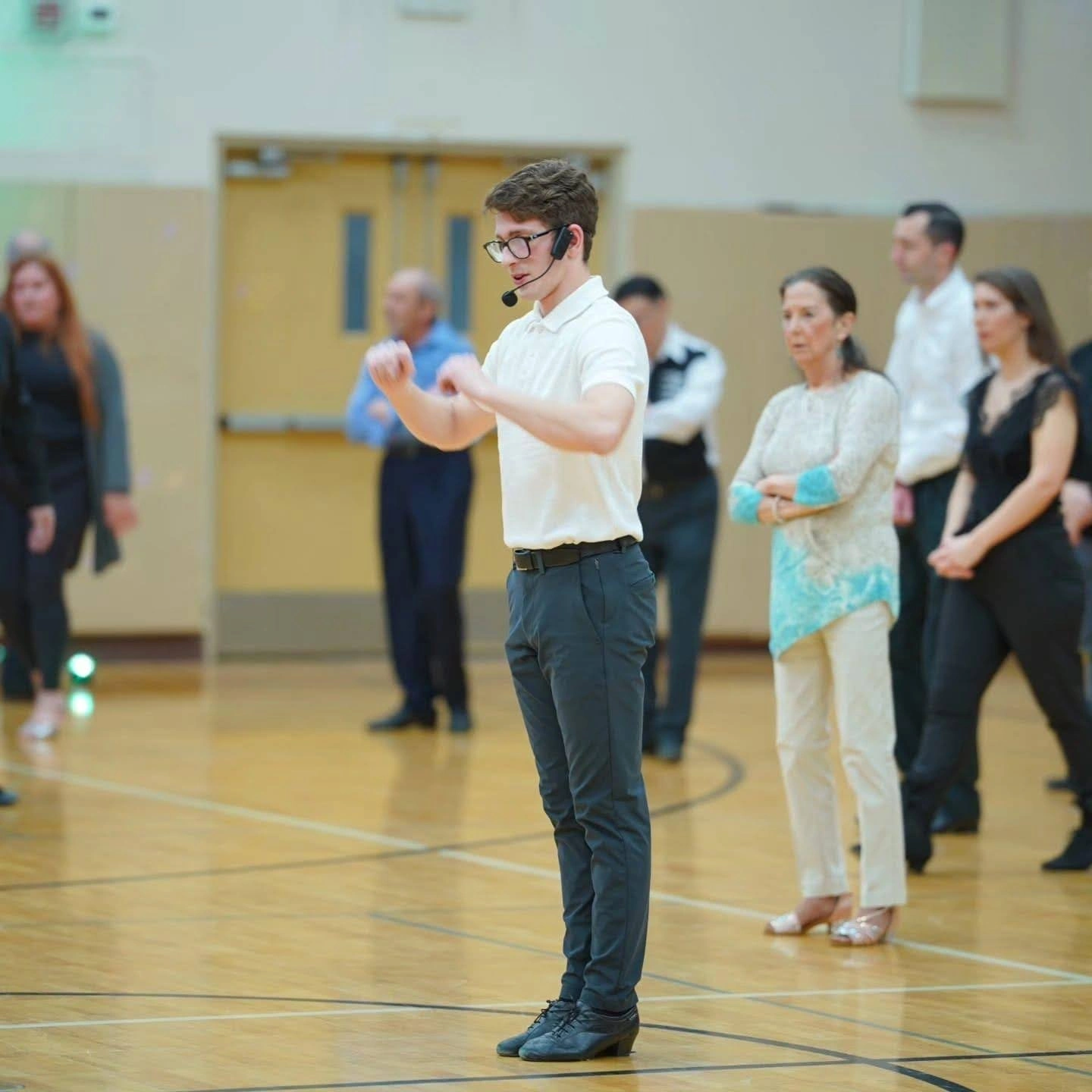
The quickest way to learn is with an instructor who can spot what’s off and fix it right away. Small mistakes in timing or foot placement are easy to miss on your own, but an instructor catches them before they turn into habits. Weekly dance lessons also help each step stick before you add the next one.
Practice the Footwork Alone at Home
You can practice a basic step without a partner, because your feet follow the same pattern either way. When you start to learn ballroom dance, your living room works fine for your first patterns.
Find the Beat Before You Move
Before your first step, listen for a few bars and tap your foot to the rhythm. Once you feel where the strong beat lands, it’s easier to tell a slow from a quick.
Quick tips:
- Start with slower songs, then speed up.
- Count out loud, at least for the first few days.
- Practice in short sessions, but often.
What Happens When You Learn to Dance at a Studio?
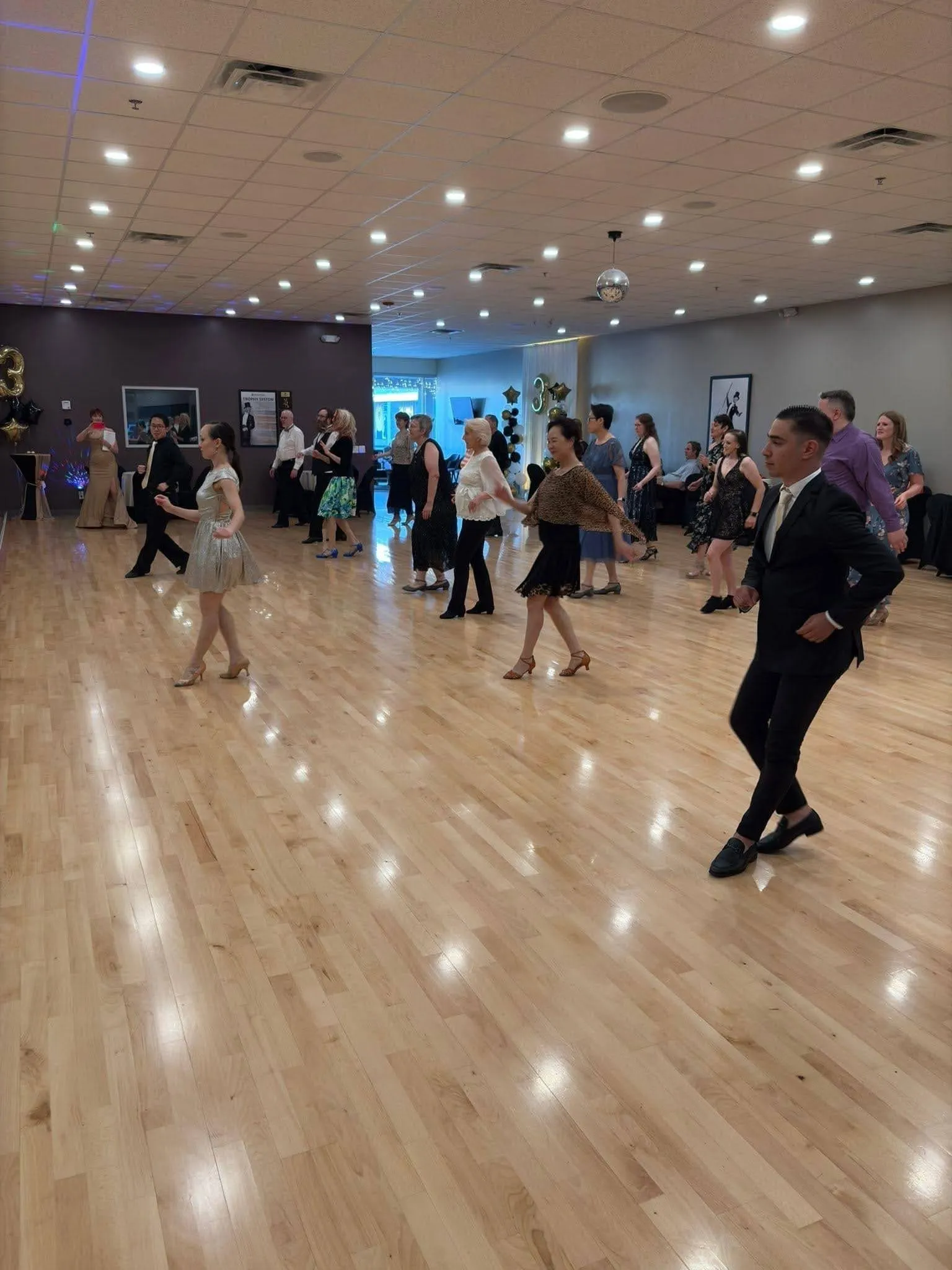
With an instructor at Fred Astaire Dance Studios – Ann Arbor, the basics start to make sense, because you see right away how they fit with a partner and the music.
Private Lessons, Group Classes and Practice Parties
Fred Astaire Dance Studios’ teaching system combines private lessons, group classes and practice parties, evenings where students try out what they’ve learned to music.
What to Expect From Your First Lessons
The seven instructors at Fred Astaire Dance Studios – Ann Arbor work with everyone, from complete beginners to experienced competitors. So first sessions follow your pace, with no pressure to know everything at once.
Take Your First Steps in Ann Arbor, MI
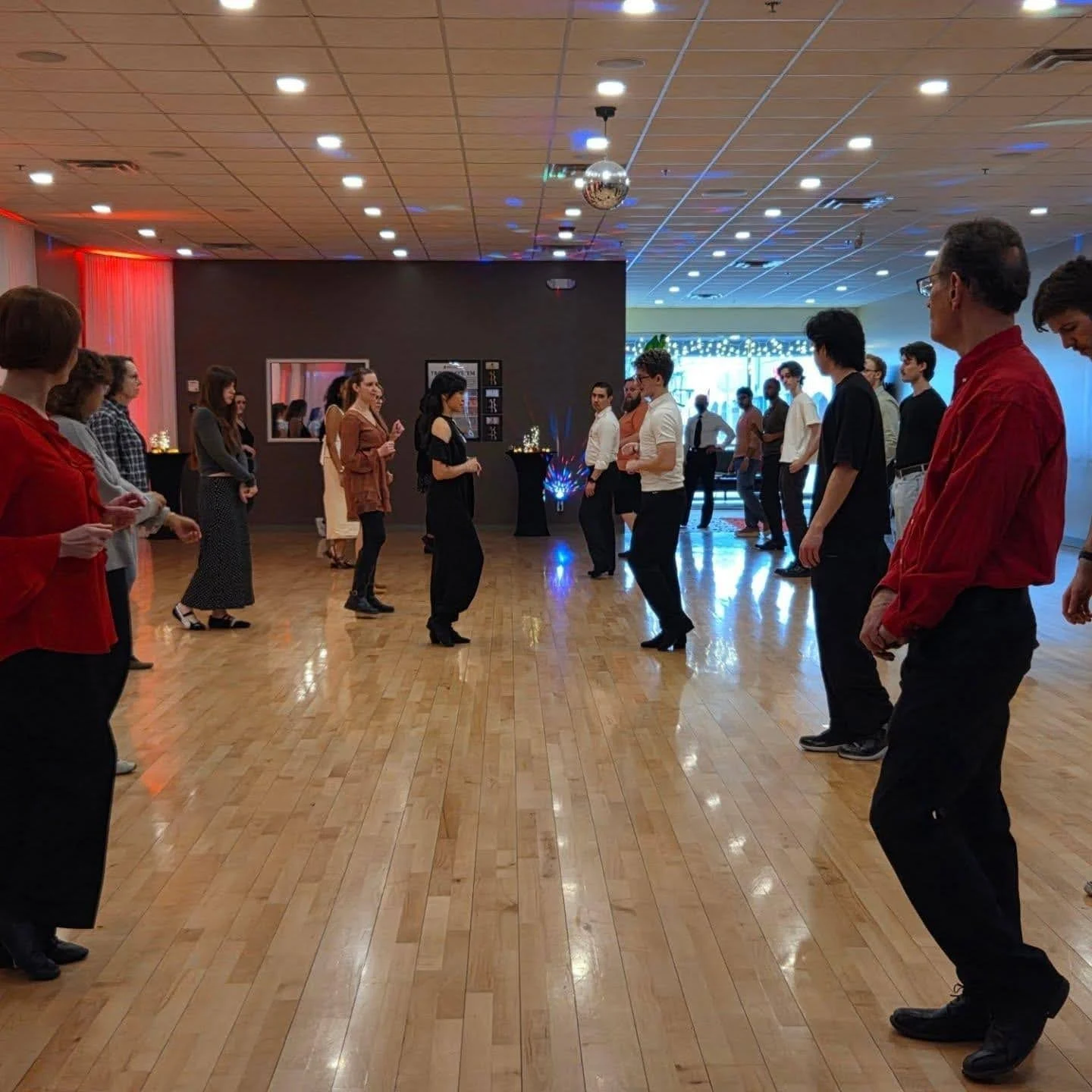
Fred Astaire Dance Studios – Ann Arbor teaches American and International style, Argentine tango, and social, competitive, nightclub and wedding dances. We have a new 2,000 sq ft floor, a lobby, kitchenette and offices, and we’re located in a shopping center with easy parking.
Students come from Ann Arbor and nearby towns, including Ypsilanti, Saline, Dexter, Chelsea, Pittsfield Township, Scio Township, Superior Township, Milan, Whitmore Lake, Brighton, South Lyon, Plymouth, Canton, Northville and Novi.
Want to get started?