

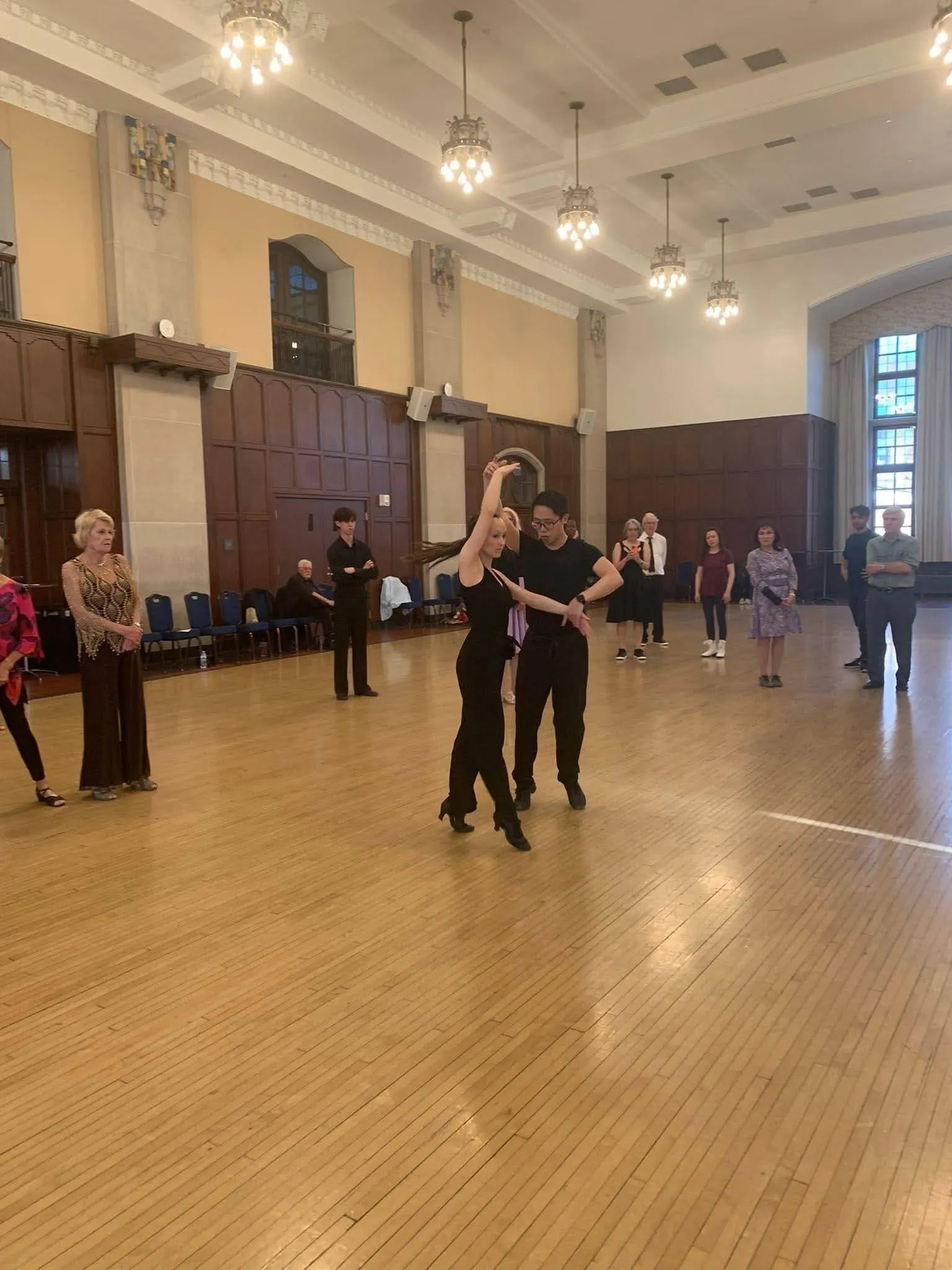
How to Swing Dance: East Coast and West Coast Basics
If you want to learn how to swing dance, start with the East Coast Swing basic step, then move on to West Coast Swing. The first is faster and bouncier, the second slower and smoother, and both rely on leading and following.
Swing is easy to spot at a party. When a song with a strong, bouncy beat comes on, the couples who know it head for the floor while everyone else watches.
What Is Swing Dancing?
Swing isn’t one dance but a family of partner dances that started with the swing music of the 1920s and 1930s.
Where Swing Dancing Started
The Frankie Manning Foundation’s history of the Lindy Hop at Harlem’s Savoy Ballroom notes that the ballroom opened in 1926. That’s where the dance found its home and its name. Simpler ballroom styles later grew out of it, and East Coast Swing is one of them.
Swing Styles You’ll Hear About
- Lindy Hop, the original Harlem style, full of improvisation.
- Jive, a lively, high-energy style with quick kicks and flicks.
- East Coast Swing, part of American Rhythm, danced in one spot.
- West Coast Swing, a smooth, slower style danced in a narrow lane called a slot.
How to Dance East Coast Swing
East Coast Swing is a common first choice because its basic step is short and clear. Once you’ve got it, the other styles are much easier to follow.
The Six-Count Basic Step
As we explained in our guide to dance steps for beginners, the basic step takes six counts. You dance two triple steps, each one three quick steps over two beats, then finish with a rock step, a small step back followed by a weight shift forward. Beginners often learn it in single rhythm first, with one step in place of each triple.
Leading, Following and Connection
Leading means one partner signals the direction and the figure, and following means the other partner picks up that signal. It doesn’t come from pulling arms but from light tension in the joined hands, so the follower can feel when a turn is coming.
What Changes in West Coast Swing?
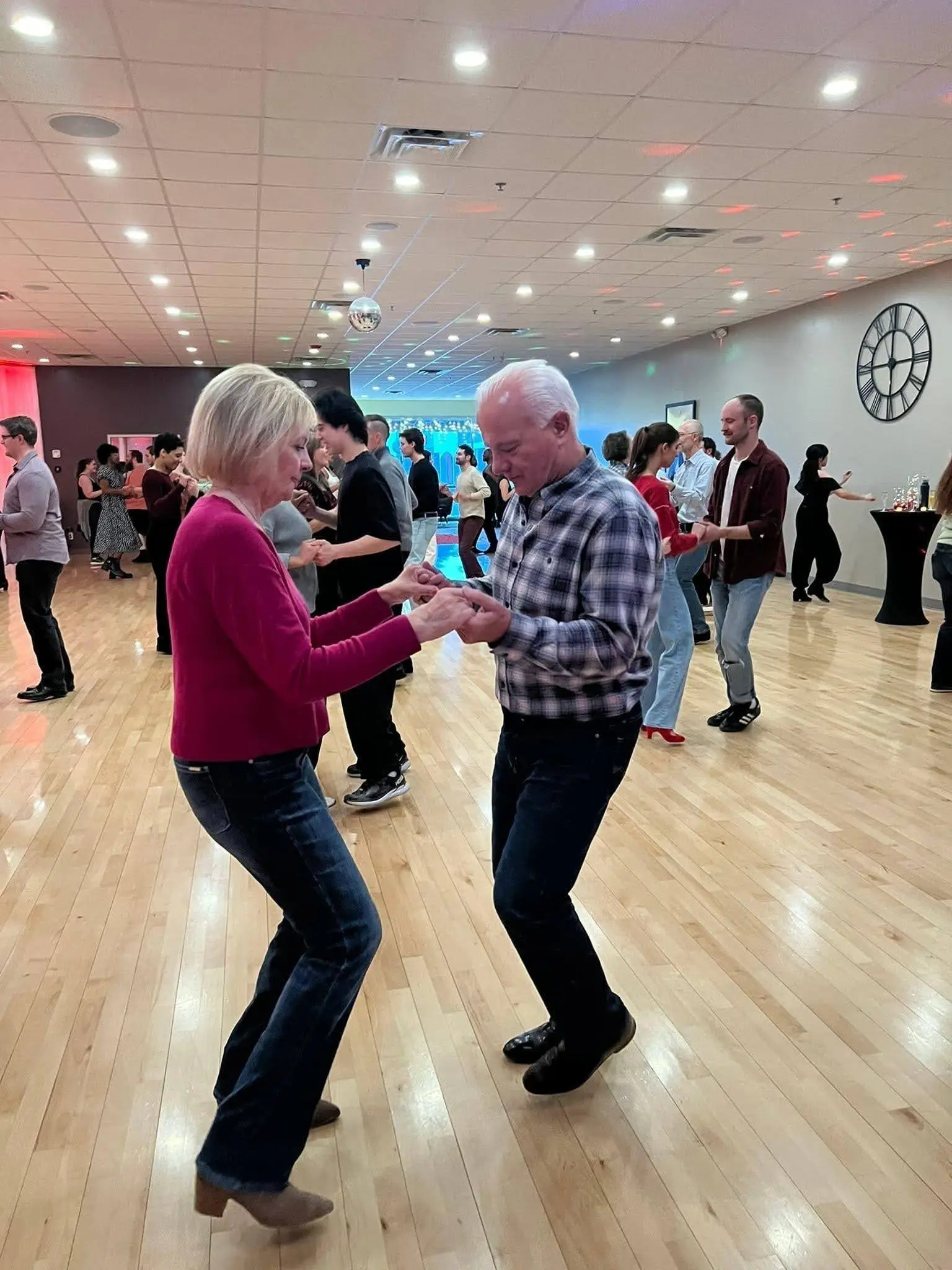
West Coast Swing shares the same roots but feels very different.
Dancing in a Slot
A slot is an imaginary narrow lane on the floor where the follower travels back and forth. The leader stays in the middle and steps aside to let them pass.
According to the California State Capitol Museum’s profile of West Coast Swing, California’s official state dance, Hollywood wanted a dance where faces weren’t lost to the camera. Jitterbug couples spun in circles, so straight lines solved the problem. The state gave it that title in 1988.
Slower Music and a Stretchier Connection
The music runs from pop and R&B to blues and country, and most patterns take six or eight counts. Many end with an anchor step, a short settling movement at the end of the slot before the next pattern.
Here’s West Coast Swing vs. East Coast Swing at a glance.
| East Coast | West Coast | |
|---|---|---|
| Movement | In one spot, often turning | Along a straight line (slot) |
| Tempo | Faster | Slower |
| Basic pattern | 6 counts | 6 and 8 counts |
| Music | Big band, rock ‘n’ roll | Pop, R&B, blues, country |
Which Swing Dance Moves Should Beginners Learn First?
Once you know how to swing dance through the basic step, it’s time for your first swing dance moves.
First East Coast Swing Moves
- Underarm turn, where the follower turns under the leader’s raised arm.
- Tuck turn, where the leader draws the follower in, then sends them into a turn.
- Throwout, which takes the couple from closed to open position.
First West Coast Swing Moves
- Sugar push, where partners come together and move apart without changing sides.
- Left side pass, where the follower passes the leader’s left side.
- Right side pass, the same pass on the right, with an underarm turn.
Quick tips:
- Keep your arm relaxed, so your partner can feel the lead.
- Look at your partner, not your feet.
How Do Swing Dance Lessons in Ann Arbor, MI Speed Things Up?
Swing is hard to learn alone, because the whole point is the connection with your partner. Swing dance lessons in Ann Arbor, MI give you the technique and enough different partners to test it.
Feeling the Lead One-on-One
During a private lesson at Fred Astaire Dance Studios – Ann Arbor, your instructor leads or follows you, so they can feel right away if your signal is too strong or too late. It’s a quick route to learning how to swing dance with confidence, and we’ve explained how private dance lessons work in a separate post.
Take Swing Dance Lessons in Ann Arbor, MI
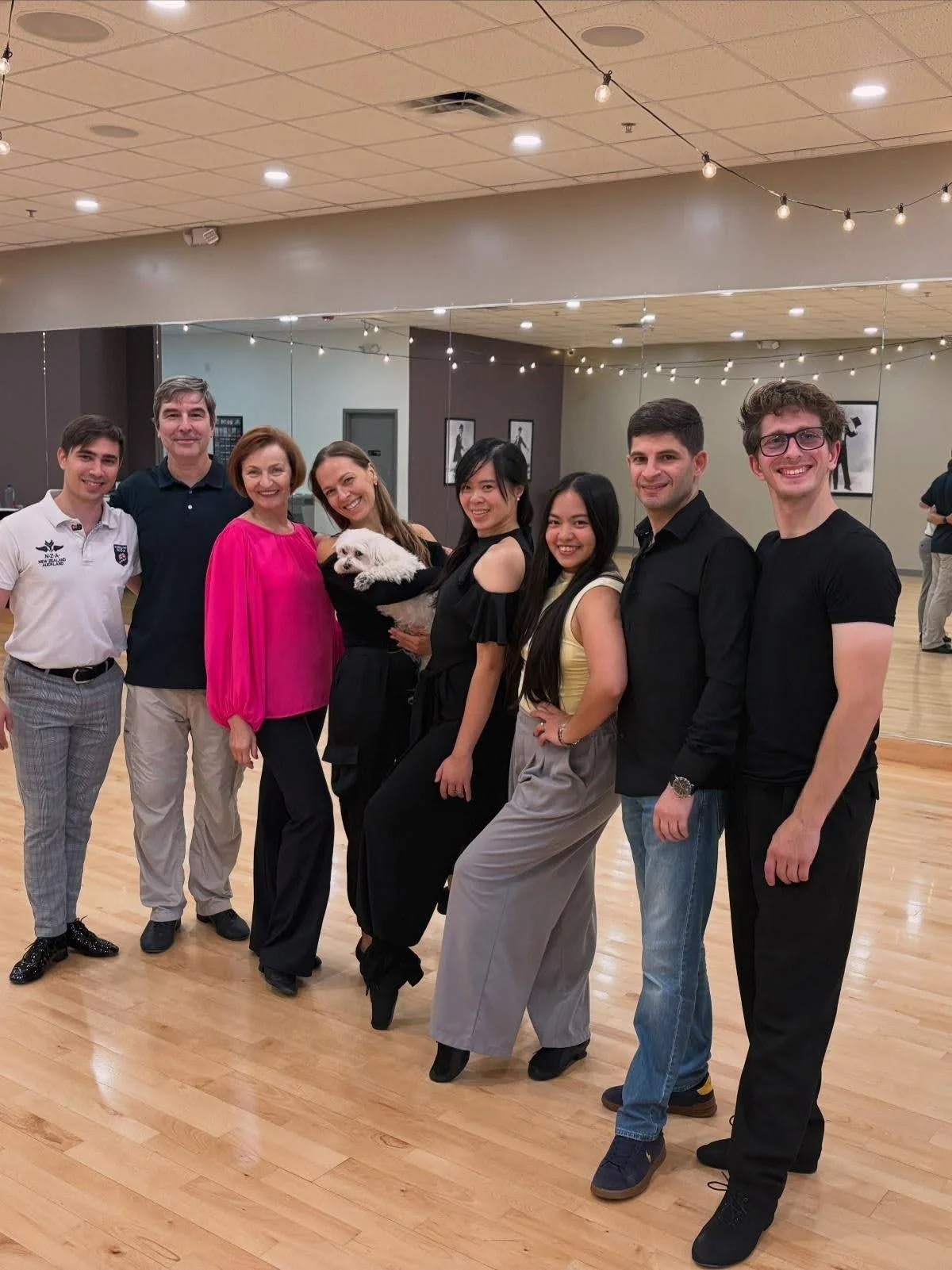
Fred Astaire Dance Studios – Ann Arbor offers East Coast Swing and West Coast Swing as part of the Rhythm program.
Seven instructors work with everyone from first-timers to competitors, and parking is easy at the studio’s shopping-center location. Dancers join from Ann Arbor, Ypsilanti, Saline, Dexter, Chelsea and elsewhere in Southeast Michigan.
If you’d like to learn how to swing dance with an instructor from day one, fill out the lesson request form.
Frequently Asked Questions
Is East Coast Swing Easier Than West Coast Swing?
For most beginners, yes. It has a shorter basic step and a clearer rhythm, and it asks for less body control and patience, which is why many students start with it.
What Music Works for East Coast Swing?
It works with big band swing, rock ‘n’ roll and faster pop songs with a clear beat. Your instructor can show you when to switch between single and triple rhythm.
Can You Dance West Coast Swing to Pop Music?
Yes. It suits most current pop songs with a moderate tempo, and the slower pace leaves room to play with the music and add your own styling.
How Long Before You Can Swing Dance at a Party?
It comes down to practice, so there’s no fixed timeline. A few swing dance lessons covering the basic step and one or two moves are often enough for a first dance at a party.
Can You Learn How to Swing Dance Without a Partner?
Yes. Many of our students arrive on their own, and in private lessons the instructor takes the other role. Since your instructor can lead or follow, you also get a clear sense of what a good partner feels like from the start.