

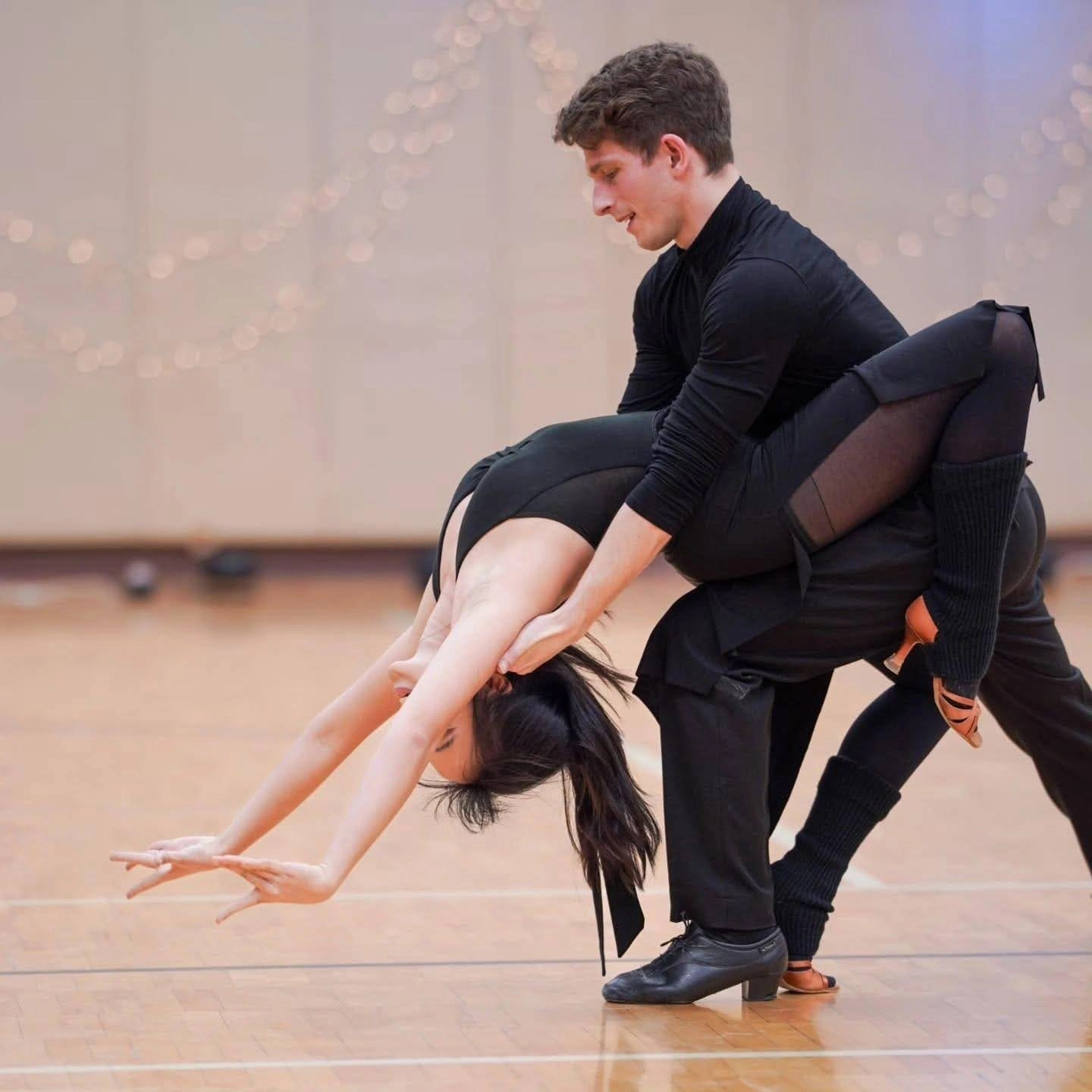
Learning how to Salsa dance begins with one pattern: six weight changes over eight counts, with pauses on the fourth and eighth beats. Turns, partner moves and every combination you’ll see on a club floor build on it.
Many people decide to learn after a single night at a Latin club. The music is fast, couples spin nonstop, and it looks like everyone knows something you don’t.
Where Does Salsa Come From?
The dance grew out of Cuban music, but it got its name and its modern shape in New York.
From Cuban Son to New York Dance Floors
According to History.com’s article on Salsa’s New York roots, the music evolved from Mambo, which itself came from son, an up-tempo urban folk music from eastern Cuba. The Palladium Ballroom in New York held its first Latin night in 1947.
The name caught on later. Carnegie Hall’s history of Salsa music in New York notes that Fania Records started in Brooklyn in 1964 and credits Izzy Sanabria with coining the term.
How Mambo and Cha-Cha Fit In
Salsa grew out of Mambo, and many of its patterns come straight from it. In our Salsa lessons in Ann Arbor, MI, we teach those patterns On1, with the break step on the first beat. Cha-Cha is a close relative that also grew out of Mambo, and you can find its starting pattern in our guide to the basic steps of five beginner dances.
Mambo and Cha-Cha belong to American Rhythm, while Salsa counts as a nightclub style. The types of ballroom dances post breaks down where each group fits.
How to Salsa Dance in Eight Counts
As we said, everything starts here, so it’s worth spending your first lessons on the Salsa basic step. Once your feet remember it, your head is free for your partner and the music.
Where the Pauses Fall
You count two groups of four: 1, 2, 3, (4), 5, 6, 7, (8). You step on 1, 2 and 3, then on 5, 6 and 7, and your feet pause on 4 and 8, which gives the step its quick-quick-slow feel.
The Forward and Back Basic
Dancing “on the one,” the leader moves the left foot forward on 1, shifts weight back to the right on 2 and closes the feet on 3. On 5, the leader steps back with the right foot, shifts weight forward on 6 and closes again on 7.
The follower mirrors this, starting with the right foot going back on 1. Dancers call that first step, where you change direction, the break step.
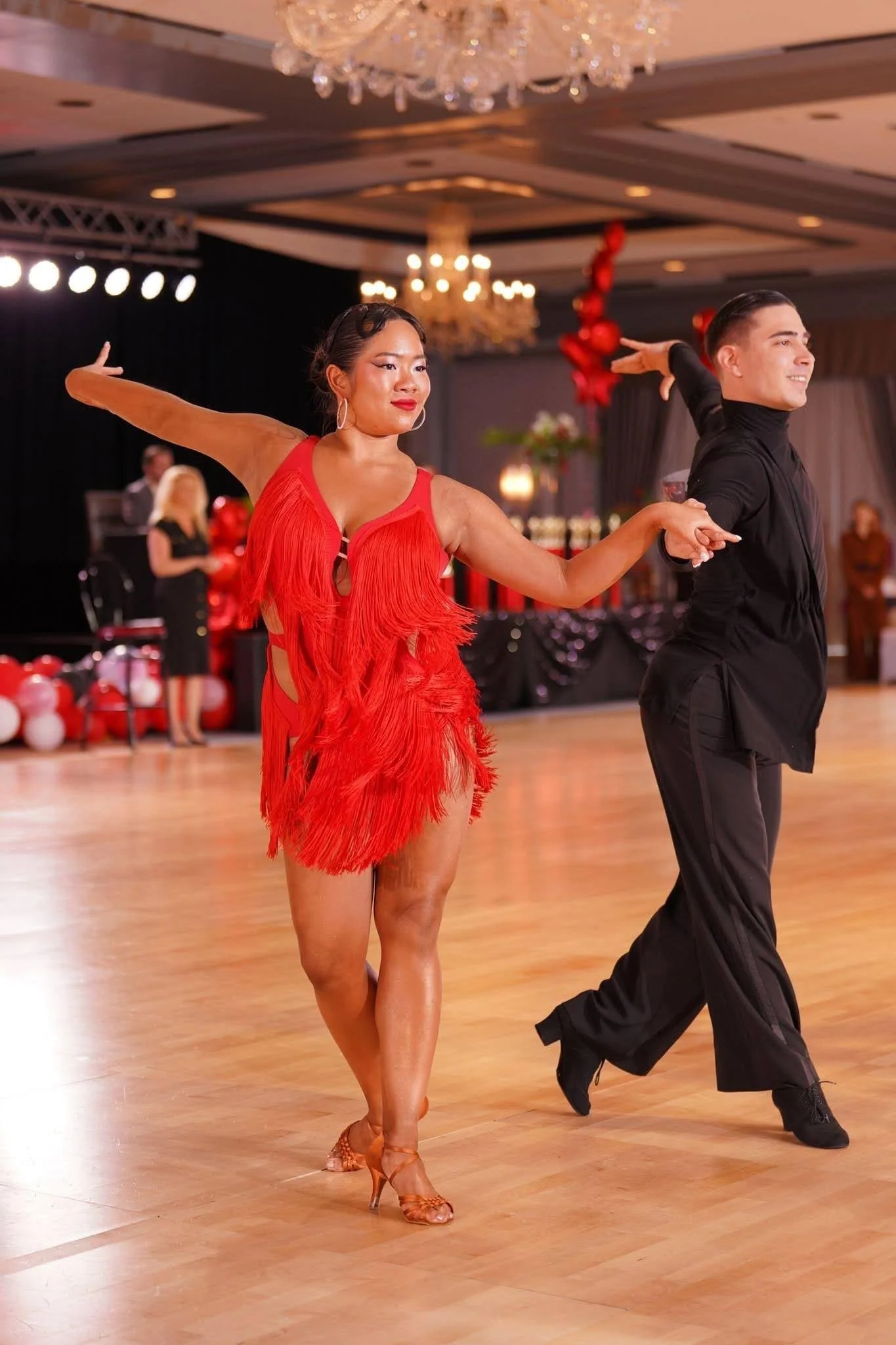
Salsa On1 vs. On2: Which Timing Should You Learn?
Sooner or later, anyone figuring out how to Salsa dance hears about On1 and On2. The main difference is which beat the break step falls on, but it changes the whole feel.
Dancing On1
In On1 style, the break step falls on the first beat, the one you hear most clearly in the music. Beginners usually pick it up fastest, and it’s the timing taught at Fred Astaire Dance Studios – Ann Arbor.
Dancing On2
In On2 style, that change of direction lands on the second beat, so the dance feels smoother and follows the percussion more closely.
| On1 | On2 | |
|---|---|---|
| Break step | On beat 1 | On beat 2 |
| Also called | LA style | New York style, Mambo |
| Feel | Energetic, accented | Smoother, follows the percussion |
| For beginners | The usual first choice | Usually learned after On1 |
Which Salsa Dance Steps Come After the Basic?
Once the basic stops needing your full attention, new Salsa dance steps come quickly. The two below show up in most beginner courses.
Right and Left Turns
The leader raises an arm to signal the turn, and the follower turns in the second half of the eight-count, on 5, 6 and 7. The right turn usually comes first, then the left.
The Cross Body Lead
The cross body lead is a move where the leader opens a path and the follower crosses in front to the other side. Partners trade places, and most combinations in line-based styles build on it.
Quick tips:
- Keep your steps small, since long steps fall behind the music.
- Keep your weight on the balls of your feet.
- When you turn, focus on one point and turn your head last.
What Do Salsa Dance Lessons Add?
You can practice alone, but rhythm and leading come fastest with someone watching from the outside. An instructor gives you that outside eye and dances with you, so you feel what the steps should be like.
Fixing Your Timing Early
One-on-one, an instructor notices right away if you’re late on 1 or rushing 5, and fixes it before it turns into a habit. We’ve described how those sessions work in our post on private dance lessons.
Why Learning Sequences Pays Off
Memorizing patterns may have an added benefit. A study on Latin dance and working memory, published in Frontiers in Aging Neuroscience, followed 333 adults aged 55 and older. By the end of the study, the group that learned Merengue, Bachata, Cha-Cha and Salsa showed a significantly bigger improvement in working memory than a health education group.
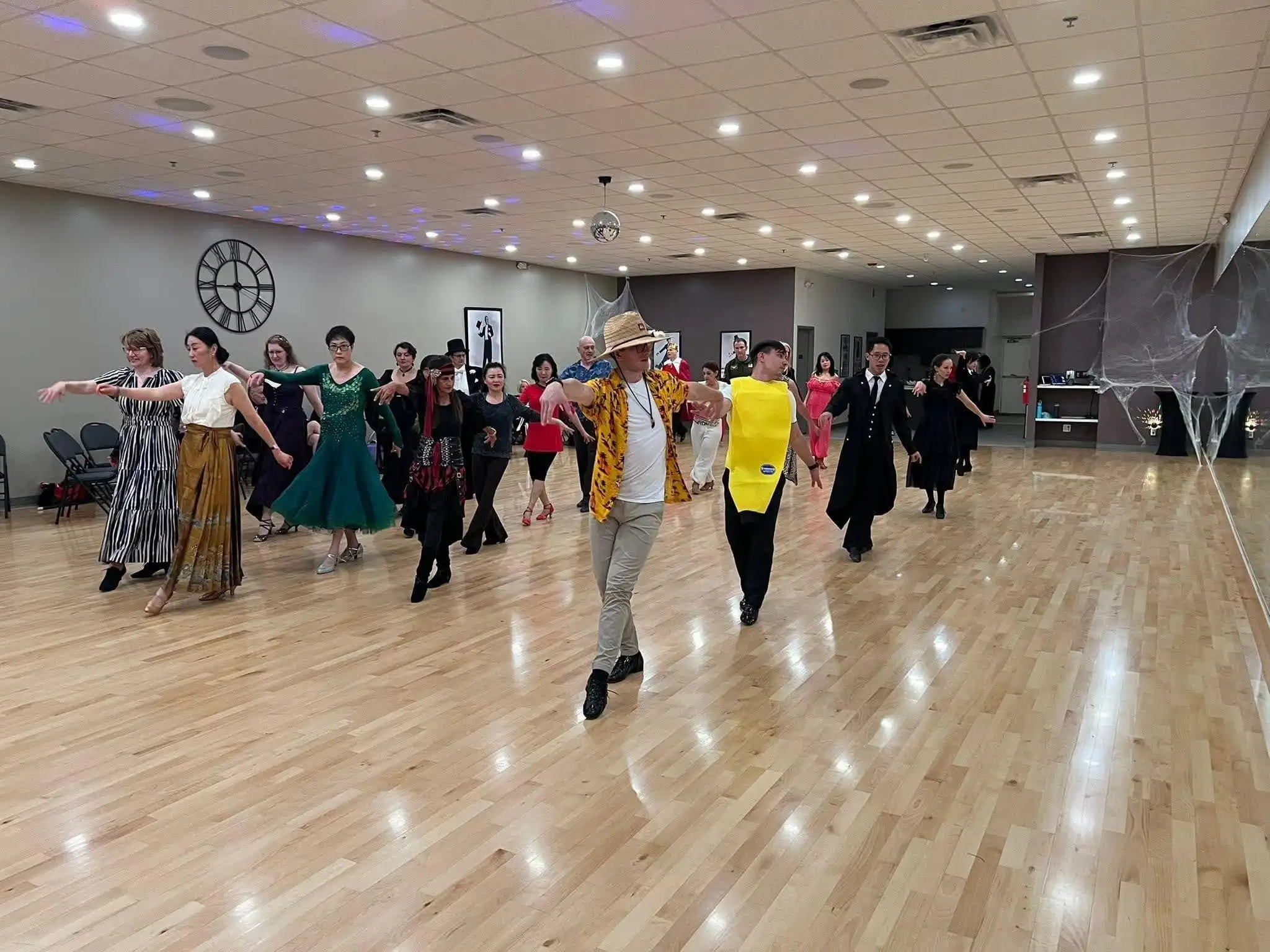
Learn Salsa in Ann Arbor, MI
At Fred Astaire Dance Studios – Ann Arbor, we teach Salsa alongside Bachata and Merengue, to complete beginners and experienced dancers alike. Many of our new students need extra time with the turns, so we break each one down count by count before adding it to the basic.
You’ll find us on North Maple Road, and students come in from Ann Arbor, Ypsilanti, Pittsfield Township, Scio Township, Plymouth, Northville and other nearby towns.
Your first step toward learning how to Salsa dance with an instructor is to book your first lesson through our form.
Frequently Asked Questions
Is Salsa Dancing for Beginners Hard?
It can be a little challenging at first, because Salsa uses a lot of arm movement and you have to coordinate it with your feet. With Salsa dancing for beginners, instructors usually start with the footwork and slower songs. The arms come in once the eight-count step feels natural.
How Long Does It Take to Learn How to Salsa Dance?
The basic step usually clicks within the first few lessons, while turns and the cross body lead take longer. Arm styling, the arm movements that add flair to your dancing, tends to come last. Regular practice and dancing at practice parties between lessons help it all stick.
Which Foot Starts the Salsa Basic Step?
In On1, the leader opens with the left foot going forward, while the follower takes the right foot back. That way, the basic step works like a mirror image and partners don’t bump into each other.
Which Shoes Work Best for Salsa Dance Lessons?
For your first Salsa dance lessons, any shoes with a smooth sole will do, just not sneakers, since rubber grips the floor and makes turns harder. If dancing becomes a regular hobby, Latin dance shoes are worth getting, with suede soles made for turning and, in women’s styles, a heel.