

The main difference between East Coast Swing and West Coast Swing lies in their rhythm, movement, and overall feel. East Coast is typically energetic, lively, and circular, whereas West Coast is smoother, more controlled, and focused on musical interpretation.
If you are new to dancing, it is easy to assume they are just two versions of the same dance.
Let’s take a closer look at what sets them apart, so you can decide which style feels right for you as a beginner.
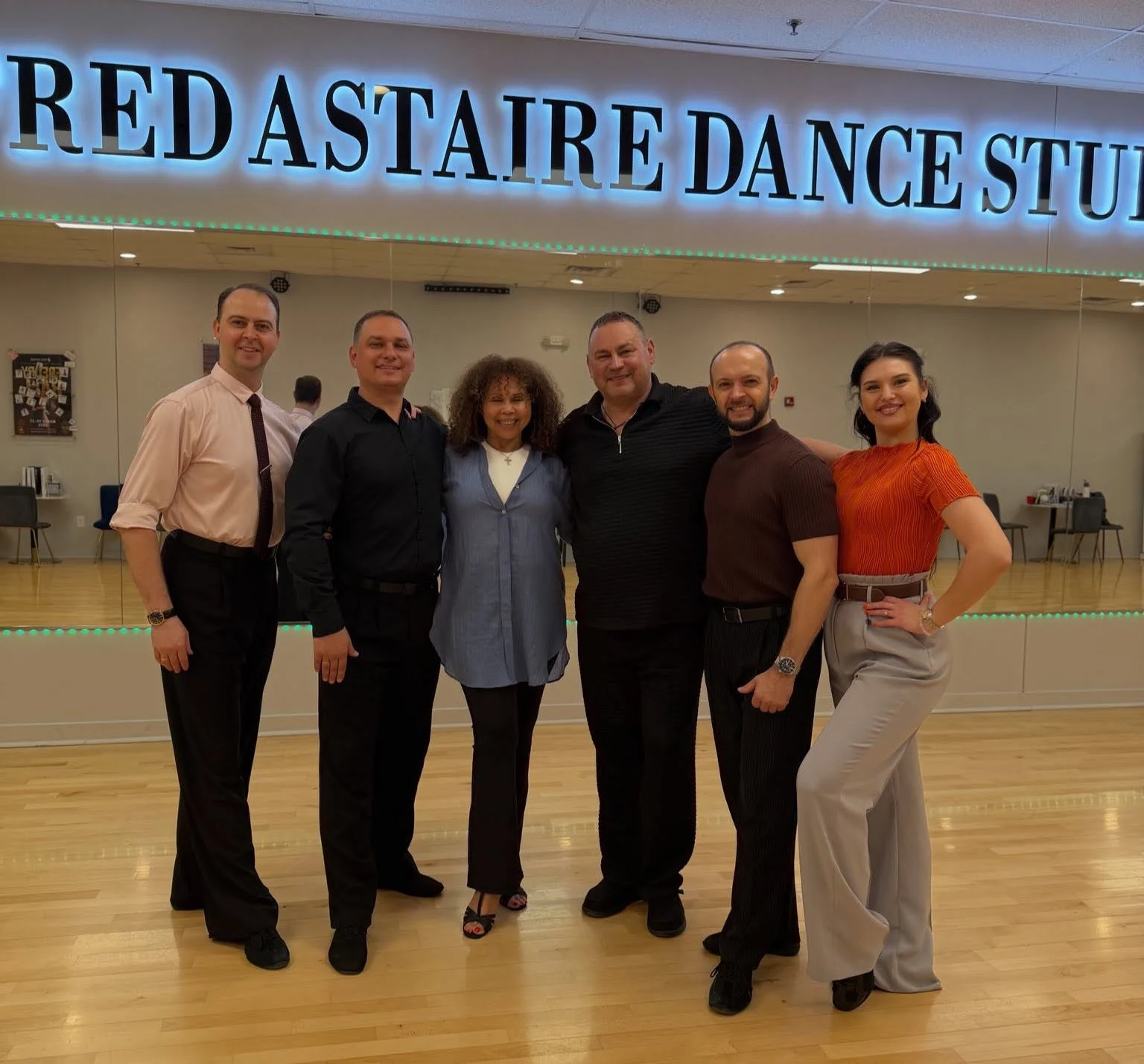
East Coast Swing vs West Coast Swing: What Makes Them Different
What is East Coast Swing?
East Coast Swing is a lively dance with a playful feel and a noticeable bounce. It comes from the larger Swing dance tradition and is usually danced to upbeat Swing, jazz, or big band music.
Many beginners like this style because you can dance with a partner without learning complicated steps. It uses simple, repeating patterns, so you can enjoy the music and slowly get used to the footwork.
This dance also lets you grow as you learn. After you know the basics, you can add turns, spins, and your own personality. You don’t need to learn everything right away. A strong basic step is the key to building your skills.
What Are the Basic Steps?
The most recognizable step combines two triple steps with a rock step.
People usually count it like this:
1&2, 3&4, 5, 6.
Counts 1&2 and 3&4 are the two triple steps, with three quick weight changes in each. Counts 5 and 6 make up the rock step. At first, focus less on making the movements look impressive and more on clear weight changes and consistent timing.
Keep your steps small, stay relaxed, and listen to the music. Your instructor can help you stay energetic without getting tense or losing your connection with your partner.
What is West Coast Swing?
West Coast Swing is a smooth style that focuses on controlled movement, musicality, and a strong connection with your partner.
This style is usually danced along a “slot”, an imaginary straight line on the floor. Partners travel along this line while maintaining a connection and creating space for one another.
Another major draw is the music. You can enjoy this dance with pop, R&B, country, funk, and many other contemporary styles.
With so much variety in music, you get to develop your own unique style as a dancer. As you grow more confident, you’ll be able to play with timing, pauses, accents, and styling, rather than just following a set routine.
What Do the Basics Look Like?
West Coast uses a mix of walking steps and triple steps, usually in six- or eight-count patterns. As a beginner, you’ll start with fun moves like the sugar push, left-side pass, and underarm turn.
Don’t worry if the names sound complicated. They’re actually much easier to do than you might think. Rather than worrying about memorizing every pattern, we encourage you to focus on the basics.
At our studio, we help students work on weight transfer, direction, and connecting with their partner. These are the building blocks that make everything else easier.
Keep your steps controlled and avoid making them too big. When you stay within the slot, both you and your partner can move comfortably, and the dance feels much smoother.
Which One Is Easier for Beginners?
The East Coast Swing often feels approachable because its basic rhythm is lively and easy to follow. Once you get comfortable with the rock step and triple steps, you’ll be able to put together simple combinations and start having fun on the dance floor.
West Coast Swing, on the other hand, asks you to pay a bit more attention to weight transfer, connection, direction, and timing. You’ll also get to practice moving along the ‘slot,’ which helps you stay connected with your partner as you dance.
That doesn’t mean you need prior experience.
At Fred Astaire Dance Studios – Apex, beginners can start with either style. In private lessons, your instructor will show you where to place your weight, how to use the space, and how to connect with your partner, whether you choose the bouncy energy of East Coast Swing or the smooth feel of West Coast Swing.
How Long Does It Take to Learn?
The time it takes to learn depends on your practice, previous experience, and how comfortable you want to feel while dancing. At our studio, most students get comfortable with the basics in just a few lessons.
The East Coast Swing dance lessons might feel easier at first because its “rock-step” and “triple-step” rhythm is easy to recognize. West Coast may take longer, as you’ll need to understand slot movement, weight changes, and partner connection.
Instead of focusing on the number of lessons required, set milestones for yourself. First, aim to memorize the basic rhythm. Then work on staying on time, transferring your weight clearly, and leading or following comfortably.
If you join us at our studio, we’ll guide you every step of the way with clear instructions and a program tailored to your needs.
Swing Dance Lessons in Apex, NC at Fred Astaire Dance Studios
Choosing between East Coast Swing and West Coast Swing lessons is much easier when you have the opportunity to experience both styles.
At Fred Astaire Dance Studios – Apex, our team will help you understand the rhythm, footwork, connection, and movement quality behind each style, rather than simply having you memorize a routine.
Ready to experience the difference?
Schedule an introductory lesson or visit us at 1553 Beaver Creek Commons Dr. | Apex, NC 27502.