

Mr. Fred Astaire
Remarkable Fred Astaire Biography and Legacy
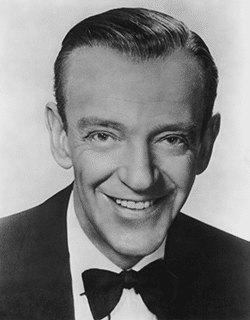
The Fred Astaire biography begins with the story of one of the most influential performers in entertainment history. Born Frederick Austerlitz II in 1899, Fred Astaire discovered his passion for performing at a young age. By the age of four, he was already appearing in vaudeville alongside his older sister, Adele. Their partnership eventually brought them to Broadway, where Astaire developed the stage presence, musicality, and performance skills that would define his legendary career. After moving to Hollywood, Fred Astaire quickly became recognized for his graceful movement, creative choreography, and ability to bring emotion and personality to every performance. His approach helped transform dance from a background element in films into a central part of storytelling.
Fred Astaire Biography: Hollywood Career and Innovation
A major chapter in the Fred Astaire biography is his unforgettable partnership with Ginger Rogers. Together, they starred in nine films that became some of the most admired musicals in Hollywood history. Beyond those performances, Astaire worked with many of the biggest stars of his generation, including Rita Hayworth, Judy Garland, Cyd Charisse, Debbie Reynolds, Bing Crosby, Gene Kelly, and George Burns.
Fred Astaire was more than a dancer. He was also a talented singer, actor, and entertainer who successfully performed across film and television. His influence extended behind the camera as well. He changed the way dance sequences were filmed by encouraging directors to use longer takes, wider shots, and fewer edits. This allowed audiences to see the complete choreography rather than only close-up movements. His approach created a more authentic connection between the performer and the viewer and continues to influence dance filmmaking today.
Fred Astaire’s Awards and Career Achievements
The Fred Astaire biography showcases a career filled with remarkable accomplishments. In 1950, he received an honorary Academy Award recognizing his artistry and contributions to musical films. He also received choreography credits for several major productions, including Top Hat, Funny Face, and The Pleasure of His Company. His television career was equally impressive, earning him five Emmy Awards for his work, including his celebrated variety programs An Evening with Fred Astaire and Another Evening with Fred Astaire.
Astaire continued performing later in life, appearing in films such as Finian’s Rainbow and The Towering Inferno, which earned him an Academy Award nomination. He also appeared in television roles including It Takes a Thief and Battlestar Galactica. His ability to adapt across different forms of entertainment helped him remain a beloved figure for multiple generations.
Fred Astaire Biography and His Lasting Impact on Dance
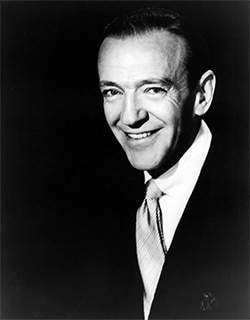
The Fred Astaire biography is also a story of innovation and artistic influence. His unique combination of elegance, precision, and musical expression changed how audiences viewed dance. He introduced generations of viewers to the idea that dance could be both technically impressive and emotionally engaging. His television specials and voice performances, including Santa Claus Is Comin’ to Town and The Easter Bunny Is Comin’ to Town, allowed him to connect with new audiences beyond traditional movie musicals.
The American Film Institute recognized Fred Astaire with a Lifetime Achievement Award in 1981 and later named him among its greatest screen legends. The Smithsonian National Museum of American History also preserves important pieces of entertainment history through collections celebrating influential performers and cultural figures. Learn more through the Smithsonian’s Entertainment and Performing Arts Collections.
Fred Astaire’s Legacy Continues Through Dance Education
The Fred Astaire biography represents more than a Hollywood success story. It reflects a lifelong dedication to helping people experience the confidence, creativity, and enjoyment that come from dance. Fred Astaire believed that dancing was a skill people could develop through instruction and practice, an idea that continues through Fred Astaire Dance Studios today.
Students around the world continue learning ballroom and Latin styles while building confidence through structured instruction. Whether someone is preparing for a special event, exploring a new hobby, or developing their technique, the same values of encouragement and achievement remain at the heart of the experience. Explore different dance styles through our Types of Dance programs and discover how movement can become part of your own story.
Remembering a True Dance Icon
The Fred Astaire biography ultimately tells the story of a performer whose influence reaches far beyond his films. Fred Astaire passed away in 1987 at the age of 88, but his creativity, dedication, and signature style continue inspiring dancers, performers, and audiences around the world. His legacy lives on through the countless people who continue discovering the joy of dance.
Fred Astaire showed that dance was not only about perfect steps. It was about confidence, expression, connection, and creating memorable experiences. His impact remains a lasting reminder that anyone can find enjoyment and accomplishment on the dance floor.
Fred Astaire’s Dance Partners
Gracie Allen
1895 – 1964
Lucille Bremer
1917 – 1996
George Burns
1896 – 1996
Joan Caulfield
1922 – 1991
Barrie Chase
1933
Joan Crawford
1904 – 1977
Virginia Dale
1917 – 1994
Vera-Ellen
1921 – 1981
Joan Fontaine
1917 – 2013
Paulette Goddard
1910 – 1990
Audrey Hepburn
1929 – 1993
Betty Hutton
1921 – 2007
Gene Kelly
1912 – 1996
Ann Miller
1923 – 2004
Janis Paige
1922
Eleanor Powell
1912 – 1982
Marjorie Reynolds
1917 – 1997
Kay Thompson
1909 – 1998
Adele Astaire
1896 – 1981
Jack Buchanan
1891 -1957
Leslie Caron
1931
Cyd Charisse
1922 – 2008
Petula Clark
1932
Bing Crosby
1903 – 1977
LeRoy Daniels
1928 – 1993
Nanette Fabray
1920 – 2018
Judy Garland
1922 – 1969
Rita Hayworth
1918 – 1987
Harriet Hoctor
1905 – 1977
Olga San Juan
1927 – 2009
Claire Luce
1903 – 1989
George Murphy
1902 – 1992
Hermes Pan
1909 – 1990
Jane Powell
1929 – 2021
Ginger Rogers
1911 – 1995
“For ballroom dancing, remember that your partners have their own distinctive styles also. Cultivate flexibility. Be able to adapt your style to that of your partner. In doing so, you are not surrendering your individuality, but blending it with that of your partner.
– Fred Astaire, from The Fred Astaire Top Hat Dance Album (1936)
Fred Astaire Films & TV Specials
Flying Down to Rio
1933
The Gay Divorcee
1934
Roberta
1935
Top Hat
1935
Swing Time
1936
Follow the Fleet
1936
A Damsel in Distress
1937
Shall We Dance
1937
Carefree
1938
Second Chorus
1941
Holiday Inn
1942
The Sky's the Limit
1943
Blue Skies
1946
Ziegfeld Follies
1946
Easter Parade
1948
Three Little Words
1950
Let's Dance
1950
Royal Wedding
1951
The Band Wagon
1953
Daddy Long Legs
1955
Silk Stockings
1957
Funny Face
1957
On the Beach
1959
Finian's Rainbow
1968
It Takes a Thief
1998-1970
Midas Run
1969
The Towering Inferno
1975
Battlestar Galactica
1978-1979
Ghost Story
1981
Songs Introduced by Fred Astaire
Fred Astaire introduced many songs by famous American composers that became classics, including:
- Cole Porter’s “Night and Day” from The Gay Divorcee (1932)
- Jerome Kern’s “Nice Work If You Can Get It” from A Damsel In Distress (1937) and “A Fine Romance,” “The Way You Look Tonight,” and “Never Gonna Dance” from Swing Time (1936)
- Irving Berlin’s “Cheek To Cheek” and “Isn’t This A Lovely Day” from Top Hat (1936) and “Let’s Face The Music And Dance” from Follow The Fleet (1936)
- Gershwins’ “A Foggy Day” from A Damsel In Distress (1937) and “Let’s Call The Whole Thing Off,” “They All Laughed,” “They Can’t Take That Away From Me,” and “Shall We Dance” from Shall We Dance (1937)