

If you’ve ever watched Dancing with the Stars and felt your heart race during a Cha-Cha, or seen a movie scene where a couple glides through a Rumba and thought, “I wish I could do that,” you’re not alone. For many people, international Latin dances have been part of life long before the first lesson, whether it’s been something admired from the couch, at weddings, or on vacation dance floors. The discipline, the joy, and the way the musical style seems to lift people out of their everyday selves stay with you.
At Fred Astaire Dance Studio of Durham, many people walk through our doors unsure whether they have the rhythm to match popular Latin ballroom styles. Our students quickly learn that good instruction throughout their Latin dance lessons matters more than natural talent.
With guidance, anyone can gain the confidence to learn the steps of traditional Latin dances and immerse themselves in the movement of these dance styles originating in Latin America.
Table of Contents
The Salsa
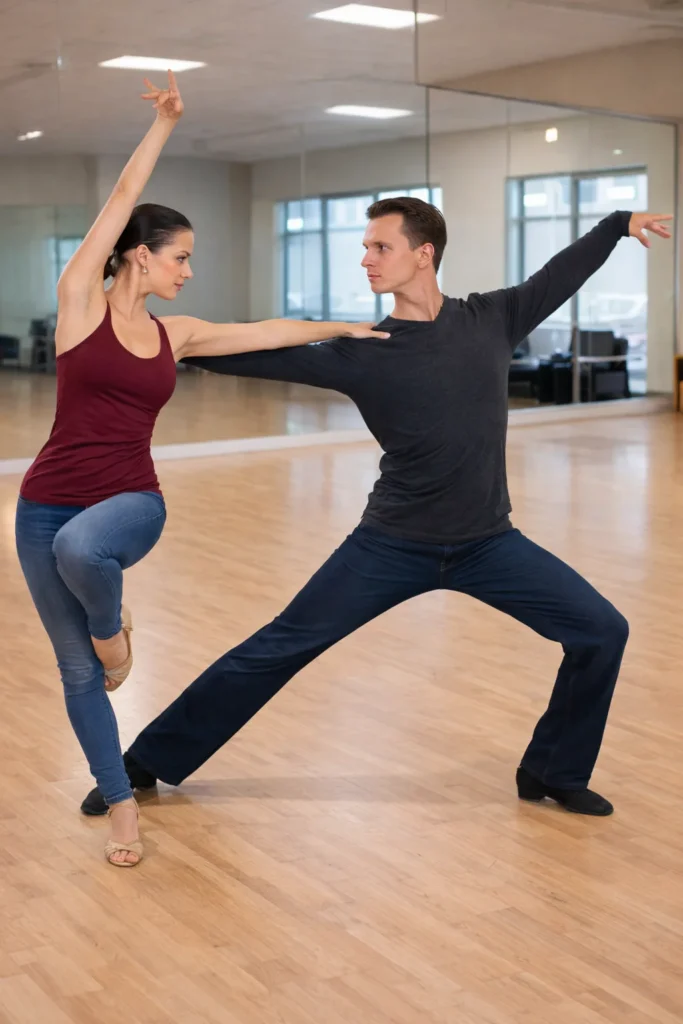
Salsa is widely recognized as the most popular Latin dance style. Salsa dancing is energetic, social, and deeply tied to community life, tracing its roots to Afro-Cuban rhythms that spread through the Caribbean and into New York neighborhoods and Spanish cultures.
The rhythm of Salsa music invites conversation between partners, with one leading and the other responding. That back-and-forth is what makes Afro-Cuban dances like Salsa feel alive. Salsa dancing’s energetic movements often serve as a bridge to other Latin American dance styles, grounding dancers in forward breaks, side steps, and cross-body patterns that shape many traditional dances.
The Paso Doble
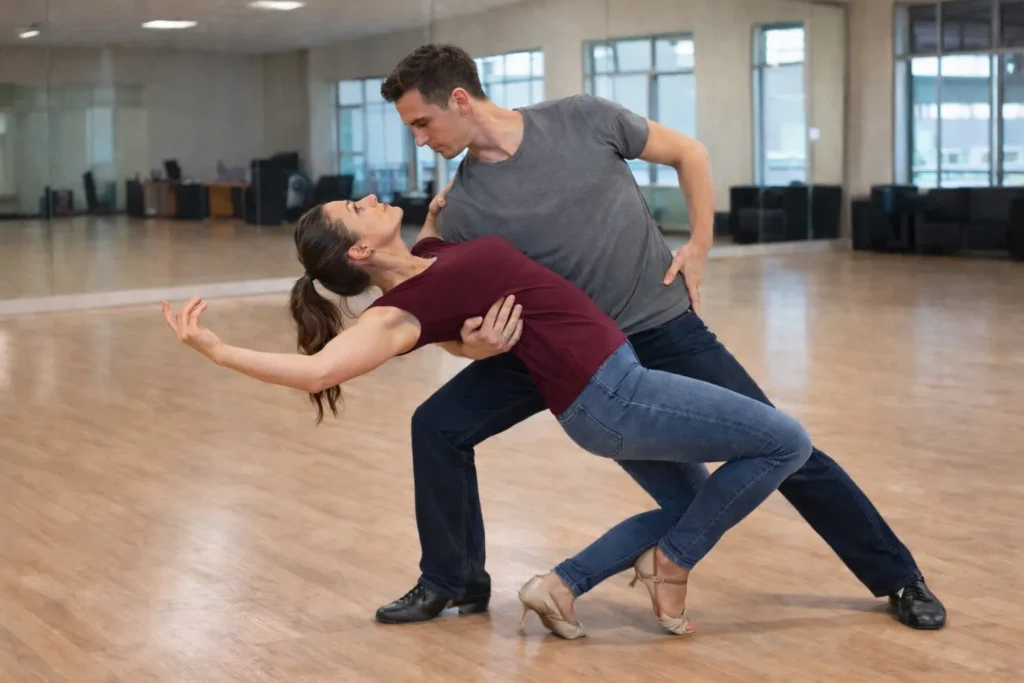
Paso Doble stands apart with its bold, theatrical personality. Inspired by Spanish ceremonial music and dance traditions, it brought a European dramatic flavor into the Latin American ballroom dance world. Paso Doble is less about casual conversation and more about storytelling. It teaches presence, including how to fill space on the dance floor without saying a word.
The dance emphasizes strong posture, decisive shapes, and confident walking actions. Latin dance class students new to European dances will learn how intention changes a step from ordinary to powerful. As the movement becomes clearer, dancers discover how a single stride can express courage, drama, and character.
The Mambo
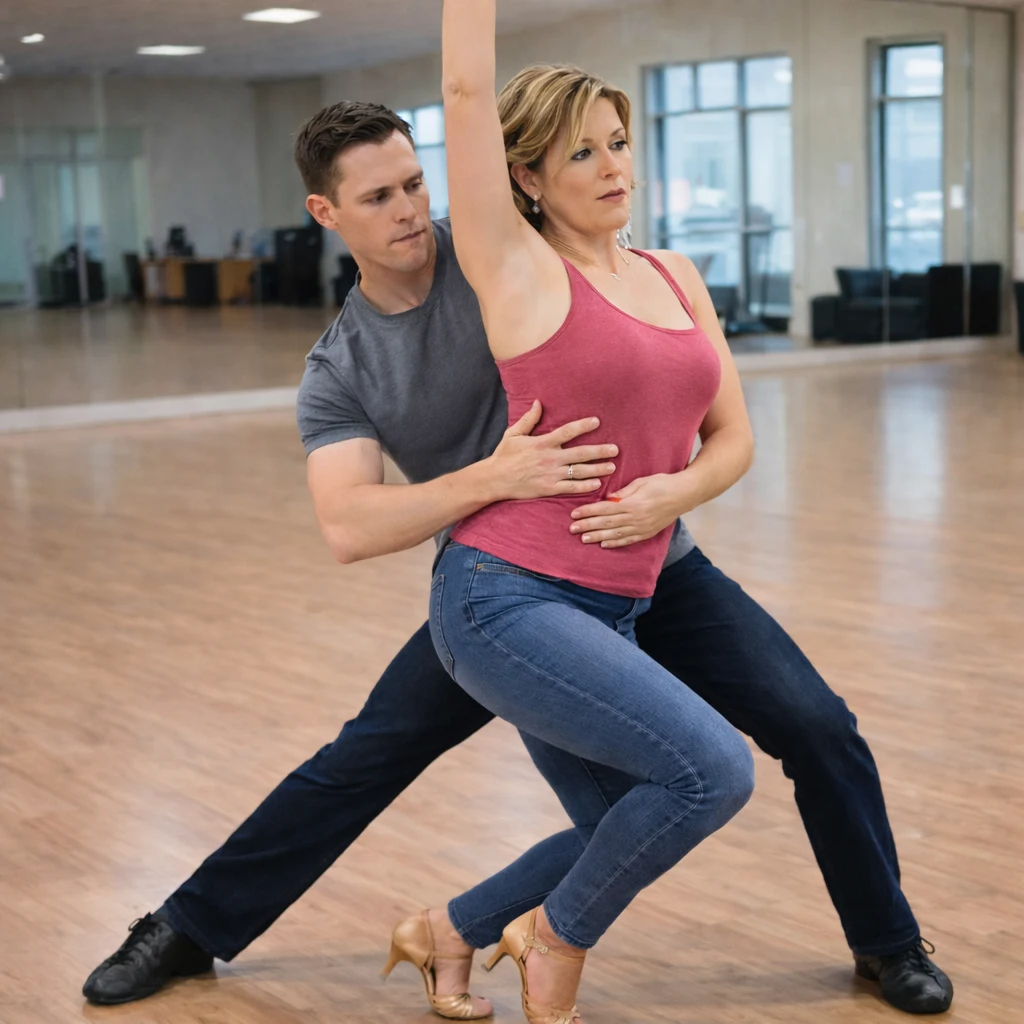
Mambo sits at the crossroads of traditional and modern Latin social dances. The dance originated from Caribbean and African influences and later flourished in New York dance halls, helping shape modern Salsa and many social Latin dances. Its history shows how dance traditions travel around the world, blending cultures while keeping their original heartbeat.
The timing of Mambo’s steps is slightly off the main beat, sharpening coordination and musical confidence. Beginners quickly feel their hip movement become more natural as they learn to respond to the lively patterns of the musical genre. It adds sparkle to any social dance floor and prepares dancers for faster styles such as Jive or Salsa.
The Cha-Cha
Cha-Cha dancing is a bright, playful member of the Latin ballroom dance family. Developed in Cuba during the 1950s from Mambo and Danzón traditions, it later became one of the five Latin dances of competition in the ballroom dance world.
Cha-Cha is often the style in which beginners discover their inner performer. The music encourages expression, and instructors show how to add flair without losing technique. Cha-Cha teaches precision through its triple step, quick checks, and clean weight changes, training dancers to finish movements rather than rush through them. Those habits carry directly into Rumba, Samba, and other dance forms.
The Rumba
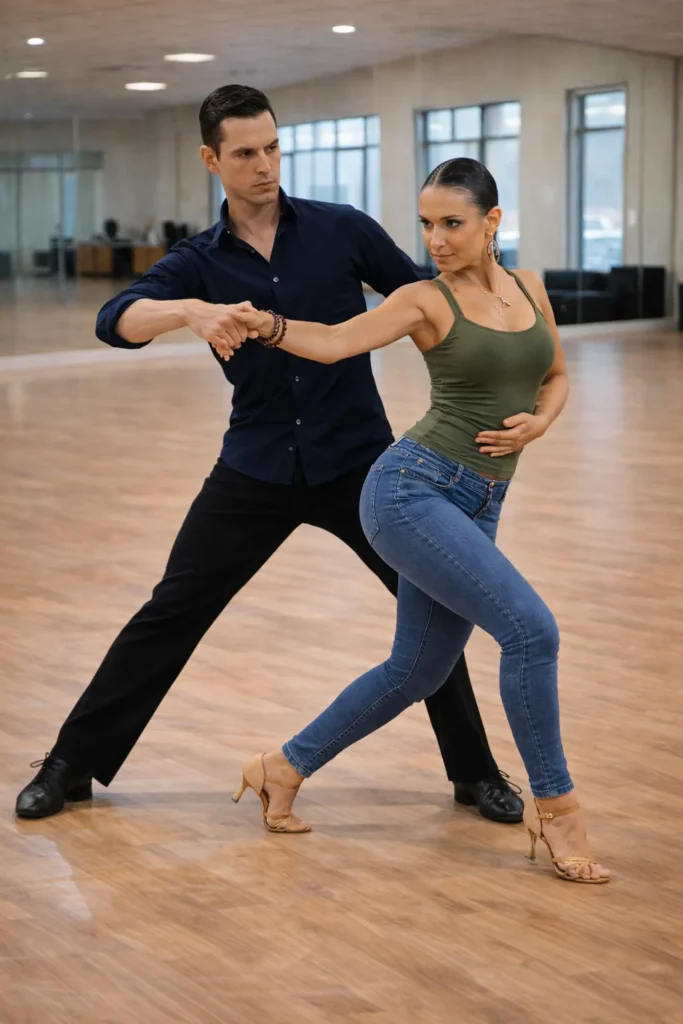
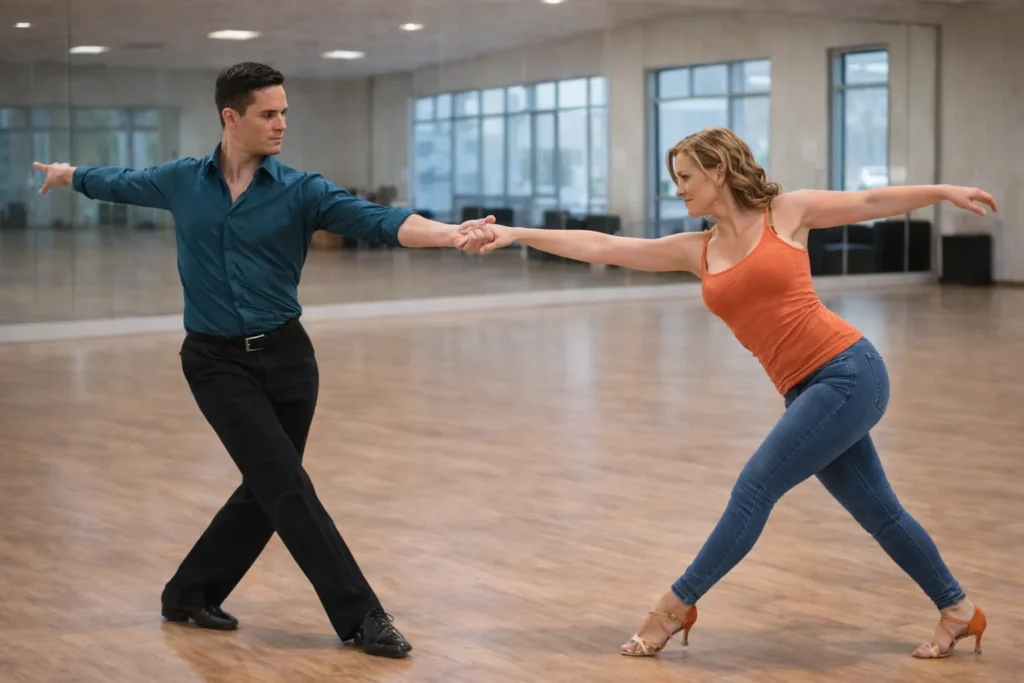
The Rumba is often called the heart of Latin ballroom. Its roots lie in Cuban community dances, shaped by African rhythms and Spanish melodies, giving the style a deeply expressive character within Latin American culture.
Rumba’s slow and sensual dance tempo allows those new to Latin ballroom dancing to focus on posture, weight transfer, and meaningful movements. Many Latin dance instructors start new dancers with Rumba because it teaches patience. Once a student understands how to settle into the rhythm, faster styles like Salsa or Jive become easier.
The Samba
The Samba brings the celebration of Brazil into the structured world of Latin ballroom dances. Born of street festivals in South America, the style blends African and Portuguese influences into a bouncing, rhythmic beat.
Learning ballroom Samba develops stamina and coordination. Its characteristic bounce teaches dancers to manage their energy through the knees and ankles while maintaining clear hip movement. Learning Samba connects dancers to the broader story of South America and to how communities use music to mark important moments in life. It’s a joyful reminder that dance can be athletic and artistic at the same time.
The Merengue
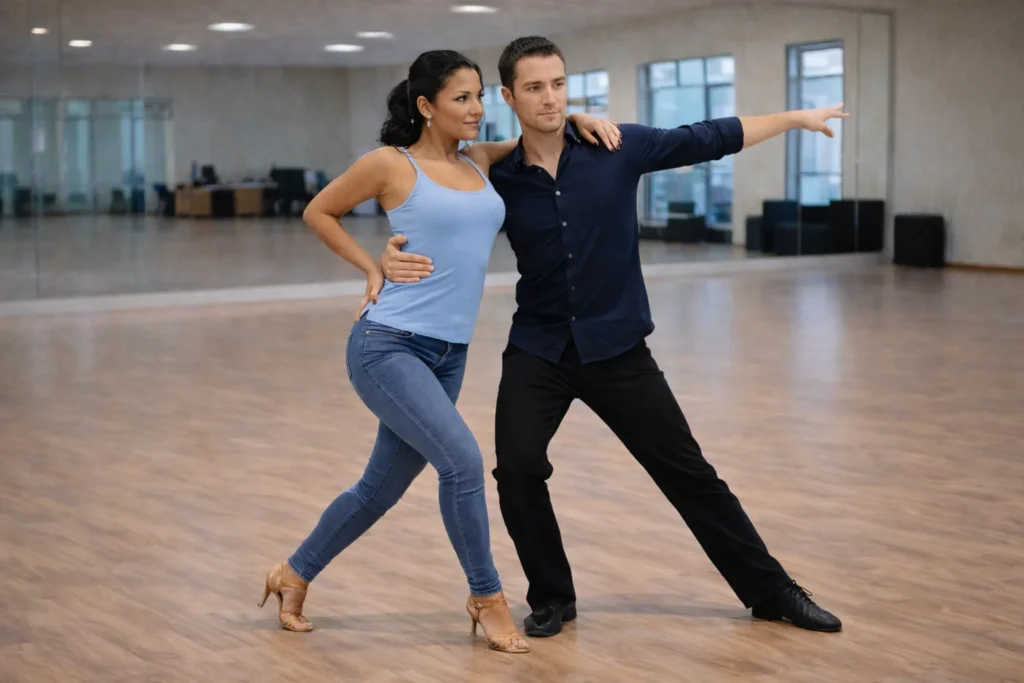
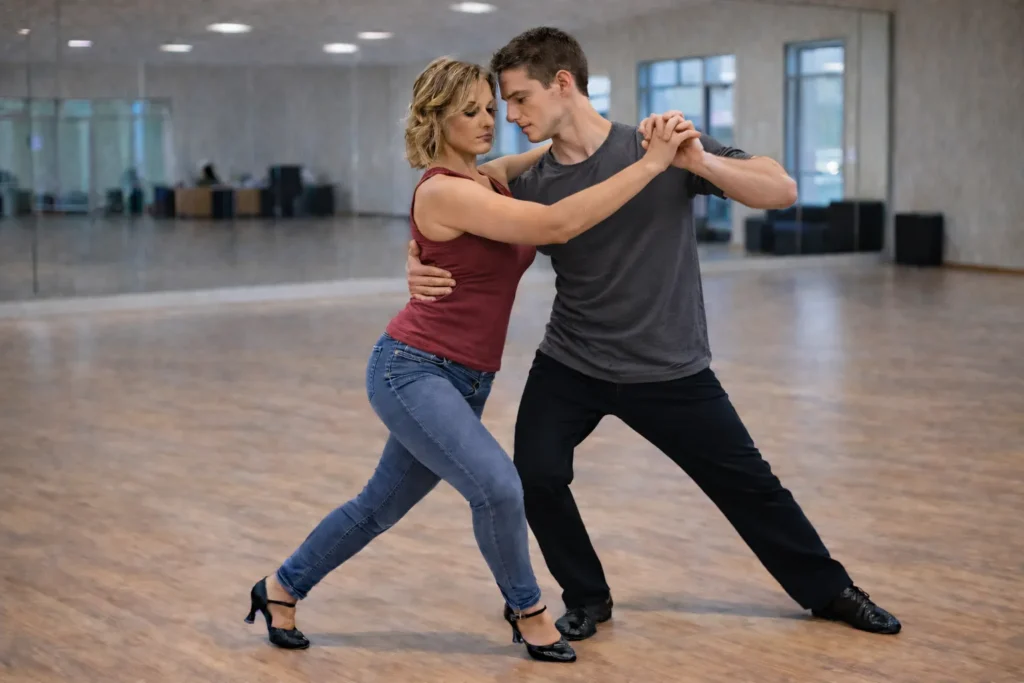
Merengue originated in the Dominican Republic as a beloved national dance and spread through Latin America as a social staple. One of the most popular dance styles taught at many Latin dance studios, the Merengue follows a straightforward marching rhythm that helps beginners feel successful in minutes.
Because the steps are simple, instructors can focus on partner connection and musical awareness. Merengue often becomes the gateway into other Latin dance forms, proving that dancing doesn’t need to be complicated to be meaningful.
The Bolero
Bolero is shaped by the deep cultural roots of Cuban and Spanish dance traditions. It carries a romantic tone into the different dance styles of modern-day Latin culture.
Bolero offers a quiet contrast to faster club Latin favorites, suiting anniversaries, weddings, and any song where a couple wants to slow the room down. Dancers appreciate Bolero as a reminder that sometimes the simplest movement carries the deepest emotion. The dance moves at a measured pace, asking for smooth rises and falls rather than quick footwork. Students focus on continuous motion and graceful, sensual movements.
Latin Dances FAQs
Is Jive considered a Latin dance style?
Yes. The Jive is part of the competitive international Latin family, even though it grew from American East Coast swing traditions. It shares the same partner connection and rhythmic play found in other latin ballroom dances.
Is the Hustle a Latin ballroom dance?
Yes, however, the Latin Hustle developed in U.S. disco culture rather than Latin America, but many dancers learn it alongside club Latin styles because it uses similar turns and partner skills.
How does Hip Hop fit into Latin dancing?
Hip Hop isn’t a traditional Latin dance form, yet modern Latin dancers often borrow its grooves and body isolation to add personality on the social dance floor.
Is Argentine Tango part of Latin ballroom?
Argentine tango originates in South American social traditions but stands in its own branch, distinct from the international Latin category, emphasizing walking and improvisation over set patterns.
Do I need a partner to take a Latin dance class in Durham?
No. Our dance classes rotate partners, so if you take a class on your own, we will match you with a partner to practice and learn.
Can Latin dance lessons help me learn ballroom dance for my wedding?
Yes. Wedding dance lessons to learn Latin ballroom styles can transform any favorite song into a meaningful wedding dance that reflects your relationship and personality. These styles are flexible enough to suit beginners or experienced dancers, creating a moment that feels confident, joyful, and truly yours.
Schedule Your First Latin Dance Lesson Today
Whether you’re drawn to the romance of Rumba, the energy of Salsa, or the drama of Paso Doble, the world of Latin dances has room for you. Fred Astaire Dance Studio of Durham offers patient instruction grounded in real-world experience for local students.
For beginners, your first two lessons are only $59 at our new student introductory rate. Reach out to us today to learn more or sign up for your first lesson by calling (919) 489-4313 or filling out the form below.