

How Ballroom Dancing Absolutely Release Stress In Just One Lesson
You close your laptop late, neck tight, eyes sore from blue light. Traffic was awful, your phone will not stop buzzing, and your brain keeps replaying tomorrow’s to‑do list. By bedtime, your body feels wired, not tired, and real rest seems far away.
Now picture this instead. Music starts, you take a small step to the side, then another. A partner takes your hand. For one hour, your focus shifts from emails and bills to rhythm, movement, and shared smiles. Ballroom dancing can feel like a pressure valve for your nervous system, and it often starts working in a single beginner class. Movement, music, and human connection already have strong research behind them for stress relief. Ballroom dancing simply wraps all three into one fun package. Here is why even one ballroom dancing lesson can make you feel calmer, lighter, and more at home in your body.
Why Ballroom Is So Powerful For Stress Relief
Ballroom dancing is not just “exercise with music.” It gives your brain several signals that you are safe, supported, and allowed to relax.
You listen to music with a clear beat, you share contact with another person, and you focus on simple patterns instead of problems. That trio can shift your body out of stress mode surprisingly fast.
In a normal day, stress comes at you from every direction. You might sit for hours, scroll without thinking, and hold your jaw tight without noticing. Ballroom dancing flips that pattern. You stand, move, breathe deeper, and interact with real people, not screens.
You also get something many adults miss: playful challenge. Ballroom dancing steps are new, but not impossible. You feel your feet trying, your brain catching up, then your body starting to remember. This helps clear mental fog and gives your nervous system a different story to tell.
Rhythm and Music Calm Your Brain Fast
A steady beat gives your brain something simple to follow. When the song starts, your mind has a choice. It can cling to worries, or it can sync up with the rhythm.
Music with a clear pulse often slows breathing, softens tension, and can lower stress hormones. At the same time, your brain releases chemicals like endorphins and dopamine that lift mood and ease pain.
Picture a waltz. One‑two‑three, one‑two‑three. You listen, step, and turn. Or a cha‑cha, with its sharp “cha‑cha‑cha” that almost forces your feet to play. While you match your body to the beat, your inner monologue about work or family gets quieter, then fades to the background.
Partner ConnectionIn Ballroom Dancing Fights Loneliness and Worry
Stress feels heavier when you feel alone with it. Partner dancing quietly chips away at that weight.
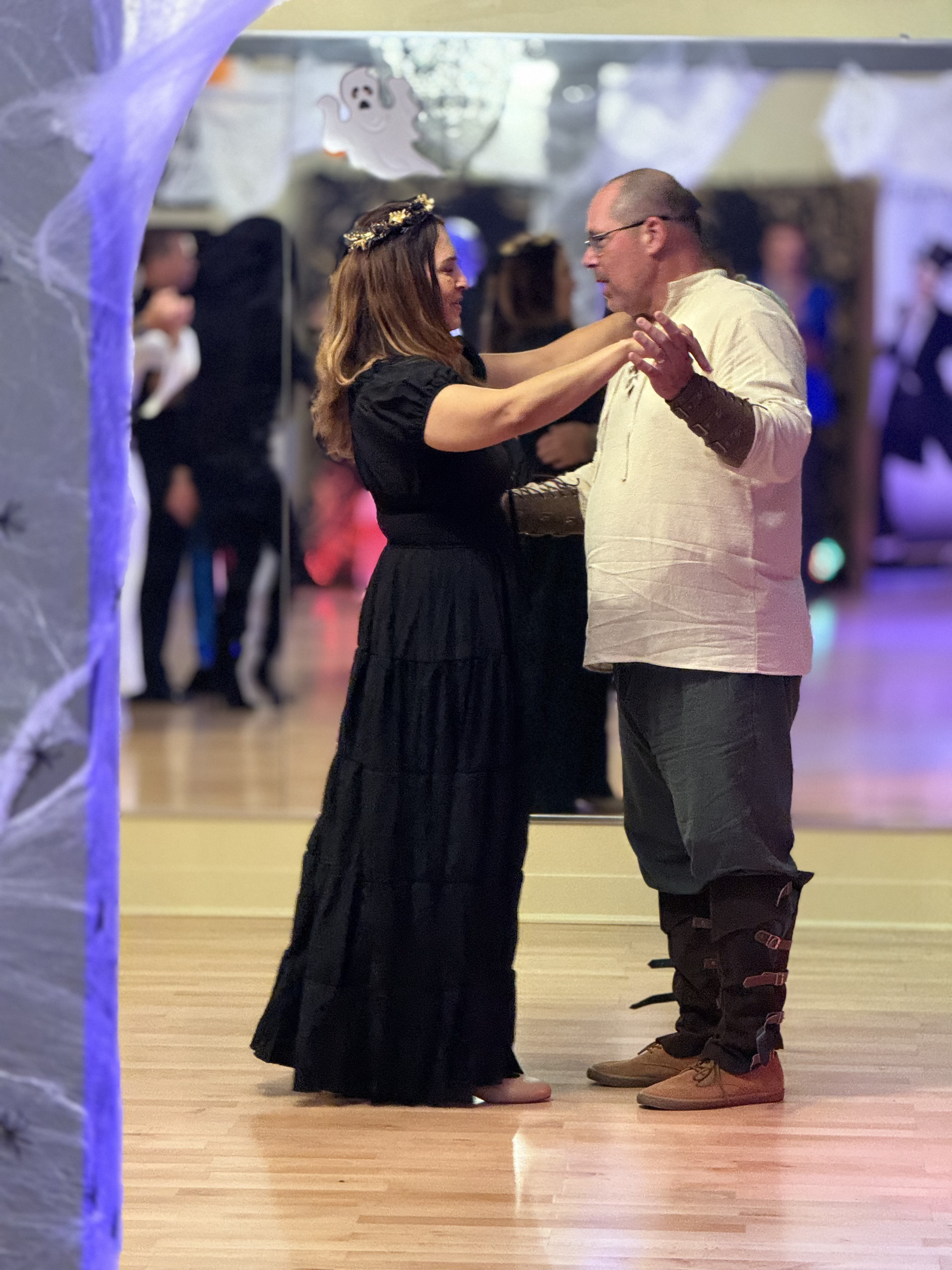
In ballroom dancing, you stand close to another person in a safe, structured way. You might share light eye contact, hold hands, or rest a hand on a shoulder. You are not oversharing your life story, but you are sharing balance, timing, and trust.
That small dose of contact sends your body a “you are not alone” message. Social hormones, like oxytocin, can rise, which helps drop anxiety levels.
Even shy beginners often start ballroom dancing stiff and silent, then end up laughing when both partners miss a turn or step on each other’s toes. The room shifts from “everyone is judging me” to “we are all in this together.”
Learning Ballroom Dancing Steps Gives Your Mind a Break From Stress
Every dance style has its own simple pattern. Maybe it is “slow‑slow‑quick‑quick” in a foxtrot, or “rock‑step, triple‑step” in a swing.
When you focus on those patterns, your brain has less room to replay stress loops. It is like a moving puzzle for your body. You have to notice where your weight is, which foot moves next, and how you stay in time with the song.
This kind of full focus works a lot like mindfulness. You are present, but it feels playful and social instead of serious or self‑conscious.
What Actually Happens To Your Stress In One Ballroom Lesson
It helps to picture a real class, from the moment you walk in to the moment you leave. Imagine this as your evening.
You arrive tense, unsure what to wear, and wondering if you will look silly. Ninety minutes later, you walk out loose, rosy‑cheeked, and a little amazed by what just happened.
From Tight Shoulders To First Laughs: The First 10 Minutes
At first, your body is in full “defense mode.” Shoulders tight, stomach tight, thoughts like “I have two left feet” on repeat.
A good teacher knows this. They start with a short chat, maybe a joke, then a gentle warm‑up. You sway side to side, step forward and back, and shake out your arms. The moves feel small and harmless.
Then they show one basic step. Everyone in the group tries it at the same time. People mess up, bump into each other, and laugh. You notice that nobody is perfect, and nobody cares.
Your breathing deepens, your shoulders drop a notch, and your heart rate rises in a healthy, active way instead of a panic way.
When Your Body Takes Over and Your Worries Go Quiet
In the middle of class, the basic step starts to feel familiar. Your feet know where to go most of the time, and your body begins to move without constant thought.
Now the teacher adds the music. You listen for the beat, count along, and match the step to the rhythm. If you dance with a partner, you also track their movement and subtle leads.
There is no space for tomorrow’s meeting or that awkward text. Stressful thoughts might pop up, then slip away because they simply do not match what your body is doing. Time speeds up. You look at the clock and think, “How is class almost over already?”
That feeling of flow is stress relief in real time.
The After-Class Glow: How You Feel Once You Step Outside
When class ends, you might feel pleasantly tired, like after a light jog or a long walk with a friend. Your body feels warm and loose instead of stiff.
Your mood usually lifts. You did something new, you moved in ways you forgot you could, and you met people without small‑talk pressure. That sense of achievement, even at a very basic level, matters.
Later that night, sleep often comes easier. The next day, your usual stress triggers may feel a little softer. One class does not erase your problems, but it can reset your stress level and give you a healthy coping tool you actually enjoy.
How To Try Your First Ballroom Lesson For Instant Stress Relief
You do not need a partner, fancy shoes, or natural talent to start. You just need one hour and a bit of curiosity.
A small plan helps you feel safer walking through that studio door.
Choose the Right Class So You Actually Have Fun
Look for a class that clearly says “absolute beginner” or “intro to ballroom.” Studios, community centers, and some gyms offer group classes that feel more relaxed than private lessons.
A short checklist helps:
- Ask questions: Call or email and ask how beginner‑friendly the class is.
- Start small: Look for a free intro night or a low‑cost first class.
- Wear comfort: Choose clothes you can move in and shoes that stay on your feet, like flats or clean sneakers.
When the level and vibe match where you are, your stress drops before class even starts.
Set a Simple Goal: One Class, One Hour, One New Skill
Treat your first ballroom lesson like a mini vacation from stress, not a performance test.
Pick tiny, kind goals such as:
- Learn one basic step.
- Meet one new person.
- Laugh at least once at your own mistake.
You do not need to be “good” to feel the benefits. You only need to show up, move, and let the music carry a bit of your stress away.
Conclusion
Modern life piles stress on your body and mind, and most people try to fix it by sitting more. Ballroom dancing flips that script. In one beginner lesson, you get music, movement, and human connection working together to calm your system.
Steady rhythm smooths racing thoughts, partner contact softens loneliness, and simple steps give your brain a break from worry loops. You walk in tense and unsure, and you walk out lighter, warmer, and a little proud.
If stress has been running your evenings, give it some competition. Find a local beginner ballroom class this week, take just one lesson, and notice how your body and mood feel afterward. You might discover your new favorite way to relax.