

Types of Dance Chesapeake, VA
Types of Ballroom Dance Lessons
Ballroom dance can be enjoyed socially and in dance competitions, and is sometimes referred to as “partnership dancing”, because it is a type of dance that requires a dance partner. Ballroom dancing originated in the 16th century from dances held in the royal courts. There’s also evidence of influence from folk dances of the era – for example, the Waltz began as an 18th century Austrian folk dance.
Styles of Ballroom Dance Lessons
Whether you plan on enjoying dancing socially or hope to compete in a dance competition, you should know the differences between the two main styles of Ballroom dancing, often referred to as partnership dancing. Ballroom dance has been around for centuries and has its origins in the royal courts of the 16th century. Although royals and other nobles lived relatively separate lives from the common people, folk dancing still had some influence on the dances of royal courts. For instance, the Waltz was influenced by Austrian folk dancing in the 18th century.
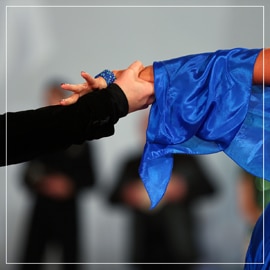
Two Styles of Ballroom Dance
The International Style of ballroom dance was introduced in England in the early 1800s and became popular throughout the rest of the world by the 19th century, through the music of Josef and Johann Strauss. International Style is categorized into two very distinct sub-styles: Standard (or “Ballroom”), and Latin, and is typically used more in the competitive dance circuit.
Here in the United States, ballroom dance adapted into the American Style between 1910 – 1930 mainly due to the influence of American jazz music, a more social approach to dancing and the iconic dance and choreography talents of Mr. Fred Astaire. Over the years, American Style has expanded to include dances such as Mambo, Salsa and West Coast Swing, and has always been driven by the constant development of music around the world. The American Style of ballroom dance is categorized into two distinct sub-styles: Rhythm and Smooth, and is used in both social and competitive ballroom dance arenas.
Two Primary Styles of Ballroom Dance
There are two main categories of Ballroom dance, one situated firmly in tradition and the other a looser and more freedom-oriented style. The traditional International Style came to England at the beginning of the 19th century. Later, it was popularized worldwide by the beautiful music of Josef and Johann Strauss. International Style is known for its closed positions, where the two people dancing never cease contact and are always facing one another. It can be further broken down into two subcategories: Standard and Latin. Standard is more commonly seen in ballrooms and formal dancing, such as weddings, whereas Latin Style is popular in the competitive dance circuit.
The second style of Ballroom dance is American Style, which is known for having more freedom of movement and choreography. Partners can take an open position where they are no longer touching. American Style is heavily influenced by American Jazz and gained popularity alongside it between 1910-1930. Mr. Fred Astaire played a significant role in popularizing this style of dance with his innovative moves and talented choreography. Now, American Style has expanded to encompass dances such as the Mambo and West Coast Swing. Similar to International Style, American Style has two subcategories, Rhythm and Smooth, which are both used in social and competitive Ballroom dancing.
The Differences Between International & American Styles
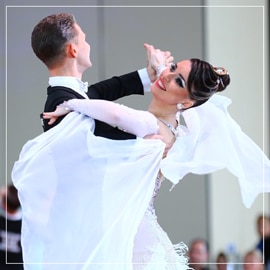
International Style is without a doubt the classic “old school” style of Ballroom. In International Standard, dance partners must remain in a closed dance position continually (meaning they stand in front of each other, in body contact throughout the dance). American Smooth is similar to its counterpart from overseas, but does allow the dancers to separate (called “open position”) in their dance frame. In the beginning stages of training, International Style is more disciplined than American Style (which typically starts first as a social Hobby, then progresses to Sport).

American Style can also include “Exhibition” solo work which allows the couple more freedom in their choreography. Both styles can be very technical with a high level of proficiency requirements, but there is more freedom in the American Style when it comes to closed figures, where the International Style is more strict with fewer figures offered. In the world of ballroom dance competition, there are also differences between the dresses or gowns worn for American versus International Styles. Because dance partners stay in closed position when dancing International, these dresses often have floats coming from the tops which would not be conducive for American Style, which features both open & closed positions.
Understanding the Differences Between the Two Styles
The major difference between International and American styles of dance is the open and closed positions. “Old school” International Style rigidly adheres to a closed position (partners standing in front of one another and always in contact), while the American Style is more lax and allows for partners to separate (open position). If you’re just starting ballroom dance training in Chesapeake, VA, you’ll likely start with International Style, which is more disciplined. Of course, you’re always welcome to dive right into American style if you want to dance as a hobby. You can always progress to sports competitions later on.
If you’re looking for even more freedom, Exhibition American style gives partners much more freedom in choreography. To perform competitively, each style requires a good deal of technical skill and proficiency. You may also want to consider the difference in dress between the two styles. Since movements aren’t as open under International Style, the clothing can be more restrictive, whereas the American Style enjoys looser and more flowing clothing options.
Getting YOUR Dance On
At Fred Astaire Dance Studios, we offer instruction in both International and American Ballroom Styles, and then some! And as a Fred Astaire dance student, you choose which dance style you’d like to learn first based on what’s most appealing to you, and your individual dance goals. For example, individuals interested in high-energy lessons for improved physical health would likely choose a different style than couples looking for an elegant First Dance for their wedding. No matter your age, ability level or whether you’re planning to take lessons with a dance partner or on your own – you’ve come to the right place.
To learn more about each type of dance and view a demonstration video, simply click on the links to the right. Then give us a call at Fred Astaire Dance Studios, and be sure to ask about our money-saving introductory offer for new students. Together, we’ll get you started on your personal dance journey!
Our Ballroom Dance Studio in Chesapeake, VA
If you’re looking for ballroom dance instruction in Chesapeake, VA, for American and International Style, Fred Astaire Dance Studios is here to guide you through beginning your dancing journey! Our ballroom dance instructors will help you find the right class that suits your needs, whether you need something high in energy to improve your health or you’re looking for help with learning an elegant dance for your wedding. We work with students of every age and ability, and you’re welcome to attend ball room dance lessons alone or with a partner!
We have videos on the right that showcase different types of dance so you can learn more about each one. Call us today to learn more about our available lessons, and be sure to ask us about Fred Astaire Dance Studios’ introductory offers for new students!