

Not every good dancer starts out feeling confident. Most get better by practicing regularly, paying attention to technique, and sticking with it long enough for the movement to feel natural. If you are looking into how to become a better dancer, having the right instruction and a little patience can help build your skills.
At Fred Astaire Dance Studio of Durham, we teach students who enter our studio for a variety of reasons, from improved social confidence to learning new dance styles or finding a fun way to stay active. Wherever you are just getting started on your dance journey or working to become a better dancer for performance, these tips will build stronger habits, sharpen your skills, and make steadier progress over time.
Table of Contents
1. Build a Strong Foundation
It is common for new dancers to want more right away: bigger movements, faster patterns, harder choreography. But that is not usually where a better dancer is built. Real improvements tend to come from cleaner technique, better timing, and more control over what your body is doing.
Posture, balance, frame, and foot placement affect almost every step. When those things are inconsistent, the dancing can feel harder than it should. When they start to click, ballroom dancing movements become more natural and skills needed in Latin dancing become more fluid.
Early training often centers on repeating key patterns, slowing things down, and learning where the body should be. While this may not be the flashiest part of the process to develop your dance technique, it is often where a better dancer starts to take shape.
2. Take Lessons From Experienced Instructors
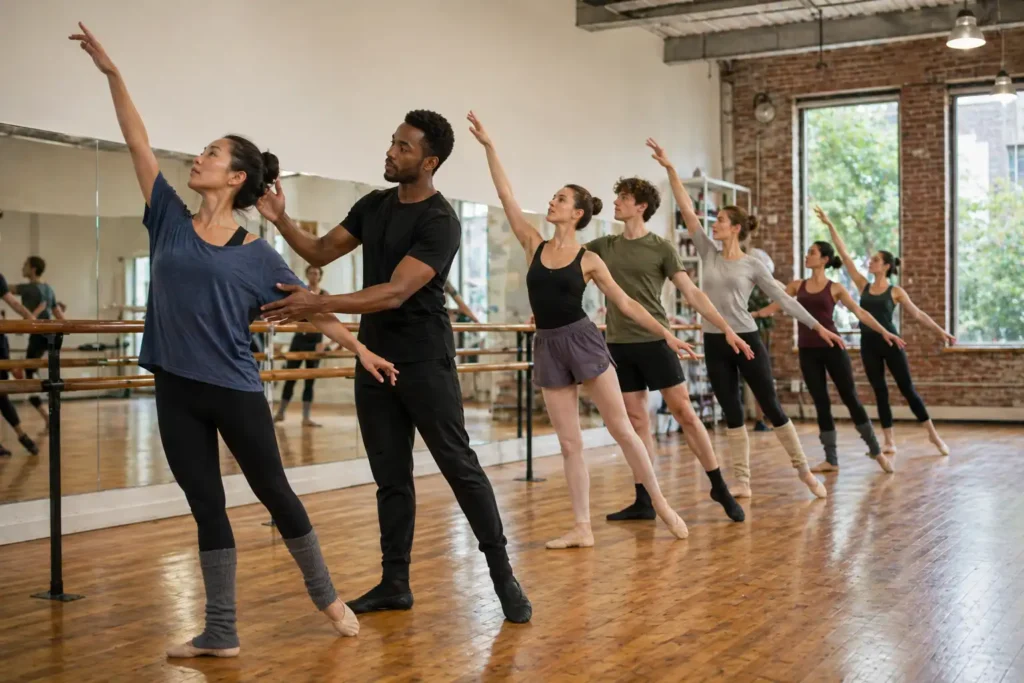
A video can help you watch timing or see how a particular dance style looks, but it cannot tell you what your own body is doing. That is where guided dance classes led by an experienced teacher become important.
Professional guidance from a skilled instructor can often spot the reason a step is not working, whether that comes down to timing, how you transfer your weight, or how your body is moving through the steps. That kind of feedback to identify areas for improvement can make a noticeable difference in making you a better, more informed dancer.
3. Short Practice Sessions Still Count
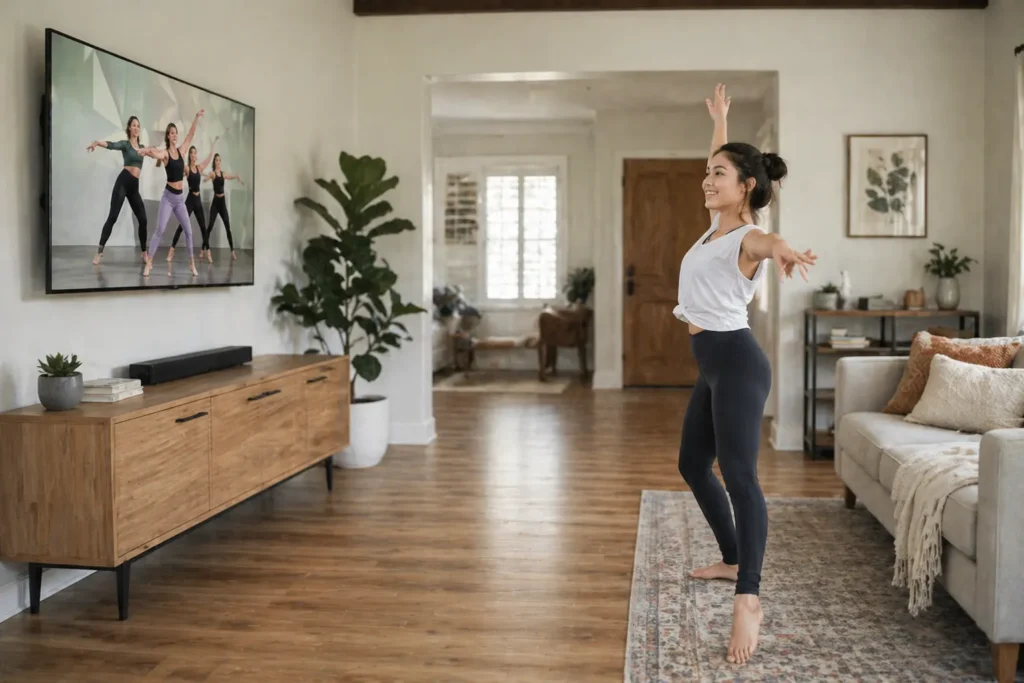
You do not need long practice sessions to improve as a dancer. For newer dancers, shorter and more focused practice between structured one-on-one dance lessons can make a huge difference when it comes to progressing.
Even ten or fifteen minutes of review can help build muscle memory and make a step feel more natural before your next lesson. The key is knowing what to focus on. That might be timing, posture, foot placement, or keeping the upper body calmer while the lower half does the work.
Practicing your routines at home is useful when you can use a mirror or a quick video to check your movement. It’s often easier to catch small habits when you watch yourself on video rather than in the middle of a step.
4. Learn to Move With the Music
Newer dancers tend to spend a lot of mental energy thinking about their next step rather than allowing themselves to actually hear the timing in the music. That is common at first, but it can make one’s dancing feel stiff.
Different styles of dancing carry different rhythm, pacing, and energy. Some songs have a smooth flow. Others have a sharper beat or more playful feel. Once you start listening more closely to your music, your movements usually begin to look less mechanical.
Spending more time with your lesson music outside classes supports this. As the song becomes more familiar to you, you start to hear the phrasing and rhythm more clearly, making it easier to move with the music instead of counting through everything in your head.
5. Explore More Than One Style of Dance
There is nothing wrong with focusing on one dance style when you are first learning to become a better dancer, but branching into other styles can strengthen your overall skills. Different dances challenge different parts of your movement, from timing and balance to coordination, control, and musical awareness.
For example, salsa dancing often helps sharpen rhythm, weight changes, and quicker reactions to the music. Swing dance lessons can build energy, timing, and a better feel for movement that stays loose without falling out of control. A classic ballroom style like the waltz usually asks for more attention to posture, frame, and smooth movement across the floor. Learning across those differences can make you a more complete dancer.
A great bonus is that the more comfortable you become across different styles, the easier it is to enjoy dance at weddings, social events, studio parties, or with other dancers in a group setting.
6. Support Better Movement With Stretching, Strength, and Recovery
Some of your best improvement happens outside classes. How your body feels day to day affects control, balance, stamina, and how comfortable your movement feels.
It does not take an intense routine to achieve this. Regular stretch work, a few simple exercises, or yoga can help with posture, mobility, and body awareness. That extra work can also help prevent injuries, especially if you are newer to dance or getting back into it.
When your body feels stronger and more prepared, it becomes easier to keep practicing. That consistency usually leads to better progress over time.
7. Give Yourself Time to Learn
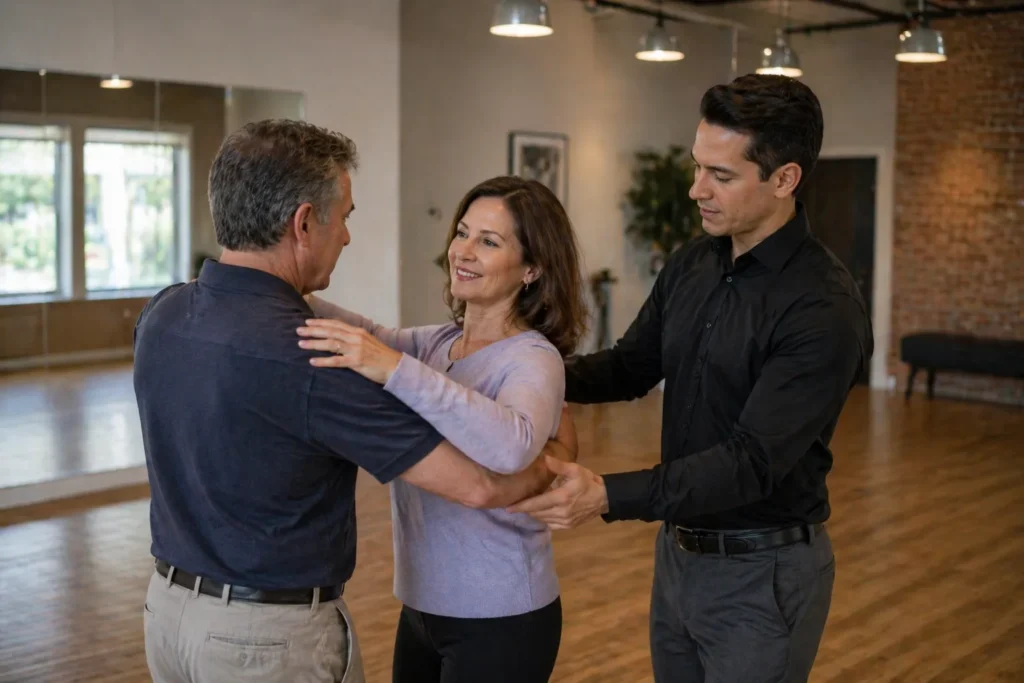
The beginning of any dance journey can feel awkward. You are learning timing, coordination, movement, and sometimes partner connection during couple’s dance lessons, all at once. That is a lot for one person to process in a single moment.
Getting better at dancing is not always about learning fast, rather, it comes down to staying with it long enough for the movement to feel more familiar. That is where the studio environment can make a difference.
At Fred Astaire Dance Studio of Durham, students work with supportive instructors, receive practical feedback, and learn in a setting that feels welcoming rather than intimidating. That often helps people relax and make steadier progress toward becoming a better dancer.
8. Aim for Control, Not Bigger Movement
Big movement is not always what makes a great dancer look strong. In many cases, it is the opposite: control, timing, and comfort in the body tend to read more clearly than force. That ease is usually built over time through repetition and coaching. If your goal is to become a better dancer, it helps to think less about perfection and more about steady progress.
Some days that shows up in the form of cleaner footwork, whereas other days it shows up in better timing, stronger posture, or more confidence in the way you move.
Build Your Skills as a Dancer in Durham Today
If you have been thinking about taking dance classes to help you become a better dancer, the instructors at Fred Astaire Dance Studio of Durham help students learn, build confidence, and develop skills through clear instruction and supportive coaching.
For students new to our studio, your first two classes are only $59. Whether you want to sharpen your technique, explore new styles, or make dance part of your weekly routine, our team is here to help.
Schedule your first lesson today by calling us at 919-489-4313 or filling the form below to get started.