

The first time you dance as a married couple allows you and your spouse to pause in the middle of what is often a hectic several months or years of planning, simply to enjoy a sweet moment. A first dance is a chance for the bride and groom to step onto the dance floor in front of their bridal party, friends, and family, and enjoy the romance, love, and support around them.
For many couples, the excitement of a first dance comes with some uncertainties, most notably the simple question: What are we going to do out there?
The experienced instructors at our Raleigh dance studio help couples choreograph wedding dance routines through wedding dance lessons that make your first dance both enjoyable and approachable.
Table of Contents
1. Select a Dance Style That Fits Your Comfort Level
The most effective wedding dance choices are the ones that feel manageable from the start. For many couples, choosing the dance style is the first decision before learning any steps.
Ballroom Dance Styles
Ballroom dancing provides a strong foundation for wedding first-dance choreography, creating a clean, polished look on the dance floor while remaining approachable for beginners.
Here are some styles of ballroom dances that couples choose for their first dance:
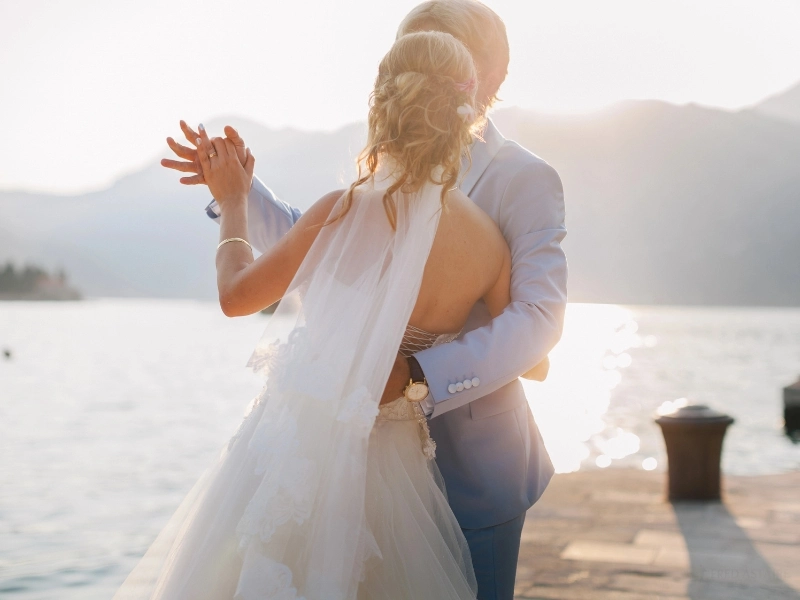
Waltz: A classic choice for a romantic first dance. The timing is consistent and easier to follow, which helps couples feel more in control.
Foxtrot: Smooth and slightly more relaxed, with a walking rhythm that feels intuitive for many couples. It works well with a wide range of songs.
Tango: A more structured option that can add contrast and control when adjusted for your first dance routine.
Latin Dance Styles
Latin dancing introduces more expression while still working well within wedding dance choreography.
Some popular Latin styles for choreographing your wedding dance are:
Rumba: One of the most common choices for a first dance routine. It is slower, controlled, and pairs well with many modern wedding song selections.
Cha-Cha: A slightly more upbeat option that can still be adjusted to fit your comfort level.
Salsa: A more rhythmic and lively option that can be simplified into a structured dance routine.
Swing Dance Styles
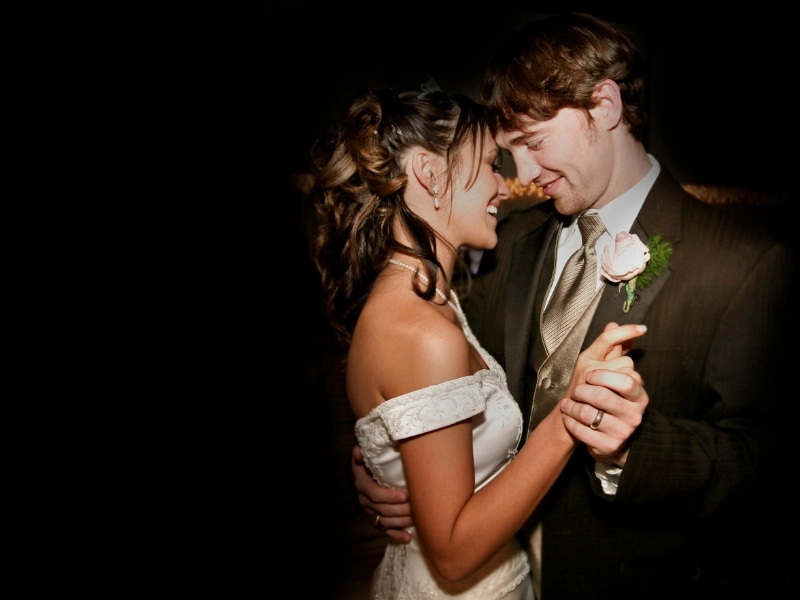
If you want to bring a different kind of energy to a wedding dance that’s more relaxed and fun, swing dancing is a great option.
When couples choose swing for their special day, they often choose:
East Coast Swing: Works well with faster songs that have a steady rhythm.
West Coast Swing: A smoother, more modern version that fits well with contemporary music and slower tempos.
Jitterbug: Can be adapted into a lighter, approachable routine without advanced steps.
2. Choose a Song That Supports Your Movement
Your first dance song choice will shape your entire routine. Some songs feel meaningful to listen to, but are difficult to move to.
When choosing your wedding song, consider:
A steady rhythm that is easy to follow
A pace that gives you time to move
A length that feels comfortable in front of your guests
3. Learn Timing and Rhythm First
Before building a full dance routine, the focus should be on timing. This is where most couples start to feel more comfortable. Instead of thinking in terms of steps, you begin to recognize patterns in your music and how they align with your movement.
Once timing clicks, your first dance choreography becomes much easier to build because you are no longer guessing where you are in the song.
4. Build a Simple Dance Routine
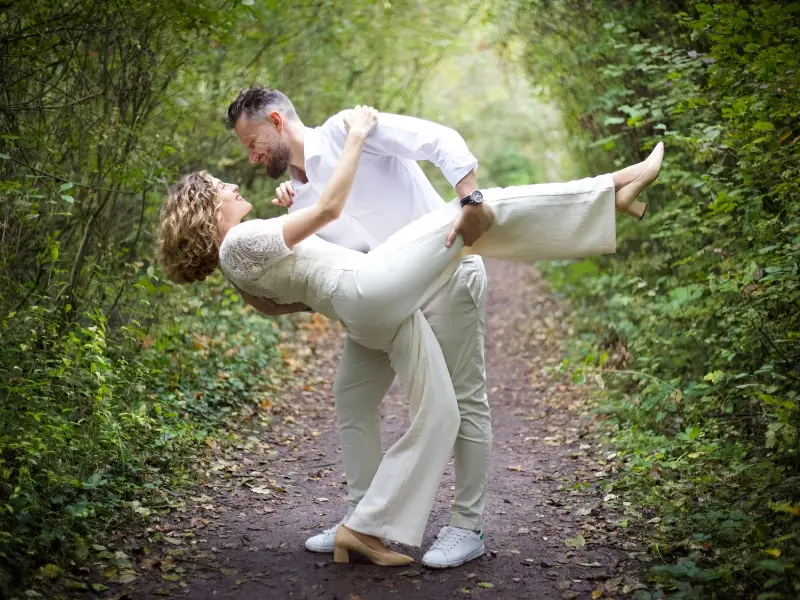
Once you feel comfortable with the timing, you can start putting together your dance routine. This is where your wedding dance choreography begins to come together in a way that actually feels usable, not just practiced.
The goal is to match your song, your chosen style, and what feels realistic for you as a couple. It does not need to be complex to look good. In most cases, a steady, repeatable routine ends up looking more natural and easier to follow, especially if you are just getting started.
5. Connect the Movements
After building your base choreography, add transitions to connect everything. Instead of thinking in separate pieces, your first dance routine becomes one continuous flow. This is what makes your dance choreography feel smooth instead of segmented.
Even small transitions like a simple turn, a change in direction, or a shift in timing can make a noticeable difference in how your first dance looks when your guests are watching.
6. Add Personal Details If It Feels Right
This could include:
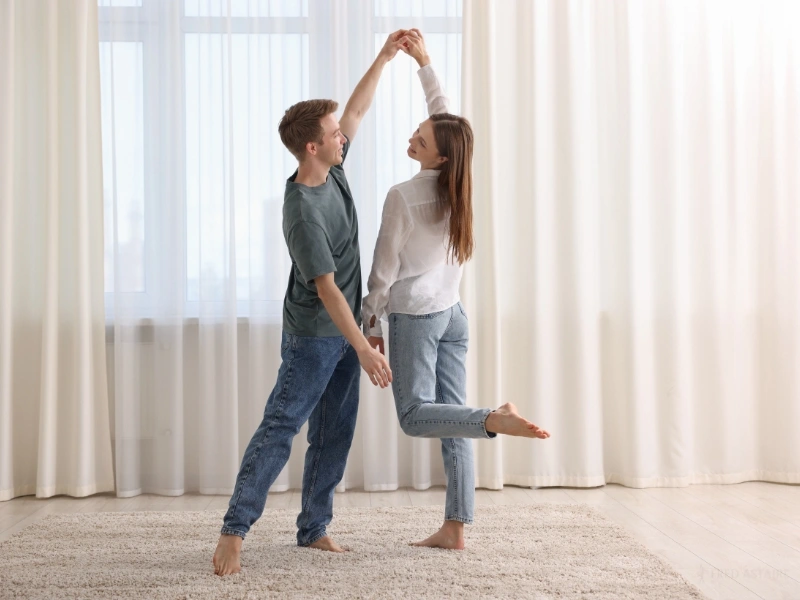
A turn or spin: A guided turn helps create movement within your dance routine and keeps the visual flow from feeling static. It also gives both partners something clear to follow, which can actually make the dance choreography feel easier to navigate.
A dip at the end: A dip is often used as a closing moment. It gives your first dance a clear finish and signals to your guests that the routine is complete, so they don’t have to guess when the music ends.
A subtle surprise moment: This could be a small change in timing, a shift in direction, or a slightly more upbeat section of the song where your movement changes. It does not need to be dramatic to be effective. Even a slight change can create a memorable moment for your crowd.
7. Practice in a Realistic Setting
Once your first dance choreography is built, practice becomes the focus.
Instead of long rehearsals, it is more effective to:
Practice a few times each week
Use similar spacing to your venue
Wear shoes similar to what you will have on your wedding day
Consistent practice helps your routine feel automatic, so you don’t have to think through each step on your big day.
8. Don’t Aim for Perfect. Focus on the Moment
By the time your wedding day arrives, your first dance choreography should feel familiar. It does not need to be perfect. Most couples worry about missing a step or forgetting part of their routine, but that is not what people remember. Your friends and family are focused on the moment itself; they do not expect you to look like a professional dancer.
You only get one first dance with your spouse. Allow yourself to live in the exciting moment rather than focusing on whether you nailed every step of your choreographed routine.
Choreograph Your Wedding Dance at Fred Astaire Dance Studio
If you are unsure where to begin, working through a few couples dance lessons led by an experienced dance instructor can make the process feel more manageable. Our certified dance instructors are here to help couples choreograph wedding dance routines to improve confidence and ease nerves on their wedding day.
At Fred Astaire Dance Studio of Raleigh, couples move at their own pace with guidance tailored to beginners. Whether you are preparing for your first dance, a father-daughter dance, a mother-son moment, or a full wedding party routine, the goal is to create a first dance that feels natural.
Schedule your first two dance lessons at our new student rate of $59 by calling 919-872-0111 or filling out the form below.