

Fill out our form or call us via this page to get our New Student Intro Deal:
 1x Private Dance Lesson Consultation & Studio Tour No Partner or Experience Needed
All that for just $35! (Can be taken solo or with a partner!!)
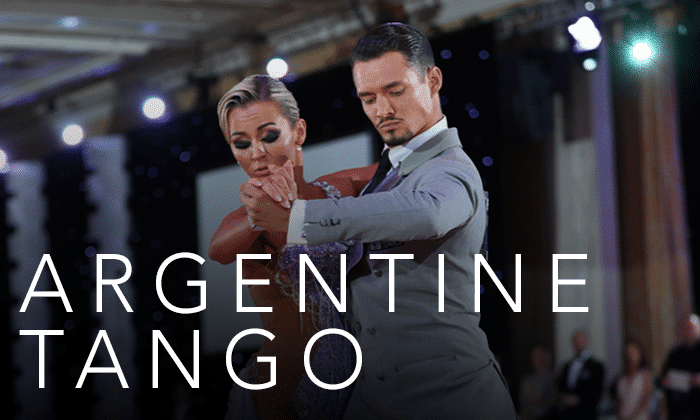
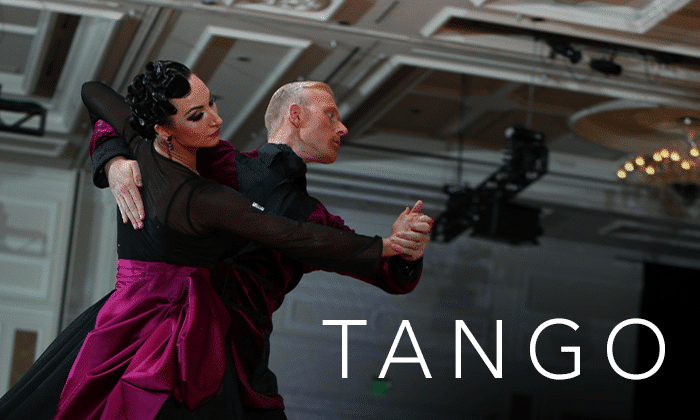
What a wonderful experience at Fred Astaire Dance Studio in South Windsor! Yuliya Lukina and Viktor Tkachenko are absolutely amazing owners—warm, professional, passionate, and truly dedicated to their students. You can immediately feel how much they care about creating a welcoming and positive environment for everyone.
What I love most is that this studio feels like more than just dance lessons—it feels like a community. There is great energy, lots of encouragement, and so many opportunities to learn, improve, and enjoy dancing.
What I love most is that this studio feels like more than just dance lessons—it feels like a community. There is great energy, lots of encouragement, and so many opportunities to learn, improve, and enjoy dancing.

We knew we wanted to get dance lessons prior to our wedding – neither myself or my husband are natural dancers. In fact, I always feel awkward dancing.
Majority of our lessons were with Yuliya or Jose. They were both really good. They choreographed a dance for us so quickly, based on our skill level and our music choice. We started our lessons pretty early on (April time-frame for a November wedding). So, we completed our 10 private dance lessons well ahead of our wedding. We enjoyed it so much, that we purchased an additional 10 private dance lessons to get us in tip-top shape for our wedding.
Majority of our lessons were with Yuliya or Jose. They were both really good. They choreographed a dance for us so quickly, based on our skill level and our music choice. We started our lessons pretty early on (April time-frame for a November wedding). So, we completed our 10 private dance lessons well ahead of our wedding. We enjoyed it so much, that we purchased an additional 10 private dance lessons to get us in tip-top shape for our wedding.
My husband and I did the ten class wedding package with Jose. We had a wonderful experience. Jose choreographed us a memorable first dance and we had fun along the way too! As beginner dancers, Jose gave great instructions and was very patient with us and a detailed oriented instructor. He got us looking very polished for our wedding day. Highly recommend Fred Astaire!
This place is professional and amazing! I came here for my dance lessons before my wedding for a dance with my fiance and with my father. It was easy to learn and pick up quick even for a beginner who has never danced like myself. They make you feel confident right away and if you make a mistake they make you feel completely at ease and teach you at your own pace.
Tanya is fantastic! She was my instructor and she just had a way about taking my nervousness away the moment she took my hand. I found out later that she does makeup and they are very reasonably priced for makeup for an event. I did a test run and everyone kept telling me how stunning it was. It was definitely Pro level work and I can't recommend the place enough! If I could do 10 Stars I would.
Tanya is fantastic! She was my instructor and she just had a way about taking my nervousness away the moment she took my hand. I found out later that she does makeup and they are very reasonably priced for makeup for an event. I did a test run and everyone kept telling me how stunning it was. It was definitely Pro level work and I can't recommend the place enough! If I could do 10 Stars I would.