
No dance from south of the U.S. border has ever caught on as quickly as the zestful Mambo. Its roots go back to Havana in 1938. That year, brothers Orestes and Israel “Cachao” López added a syncopated, jazz-influenced section to a traditional danzón, and it got dancers moving faster than ever. Cuban bandleader Pérez Prado then turned that sound into a big-band style. After his 1950 recording of “Qué Rico el Mambo,” the craze swept across the United States.
By the mid-1950s, New York’s famed Palladium Ballroom had become the dance’s unofficial headquarters. Bandleaders like Tito Puente and Machito packed the floor there every week. Tin Pan Alley took notice too. Songwriters set love ballads to a slow beat and novelty songs to a fast one, and they even tailored rock ‘n’ roll numbers to the tempo. Dancers who had never gone beyond the Foxtrot and Waltz were suddenly lining up for Mambo instruction.
How to Dance Mambo: Timing, Style, and Freedom
What makes the Mambo so exciting is its timing. Dancers step to a quick-quick-slow rhythm. In the classic ballroom style, they “break” on the second beat of the music. This gives every movement a smooth, rolling feel that sets it apart from other Latin dances. Once you feel that pulse, the rest follows naturally.
The dance also adapts to your personality. Conservative dancers can stay in closed position. More daring couples can break apart into open “shines,” which are solo footwork patterns that let each partner show off. Spins, turns, and playful arm styling are all part of the fun, so no two dancers ever look quite the same.
A Family Tree of Latin Rhythm: Salsa, Cha-Cha, and Beyond
Many people wonder how Mambo and Salsa differ. Both have Cuban roots and similar basic steps. Salsa is often danced breaking on the first beat, and it carries influences from Puerto Rican and New York street styles. Mambo stays true to its ballroom heritage and on-two timing.
The Cha-Cha is related too. Cuban violinist Enrique Jorrín created it in the early 1950s after noticing that dancers struggled with fast, syncopated rhythms. He slowed things down and added the signature triple step. Learning this dance gives you a head start on all of these dances, which makes it a smart first step into Latin dance.
What to Expect at Your First Lesson in Summerlin
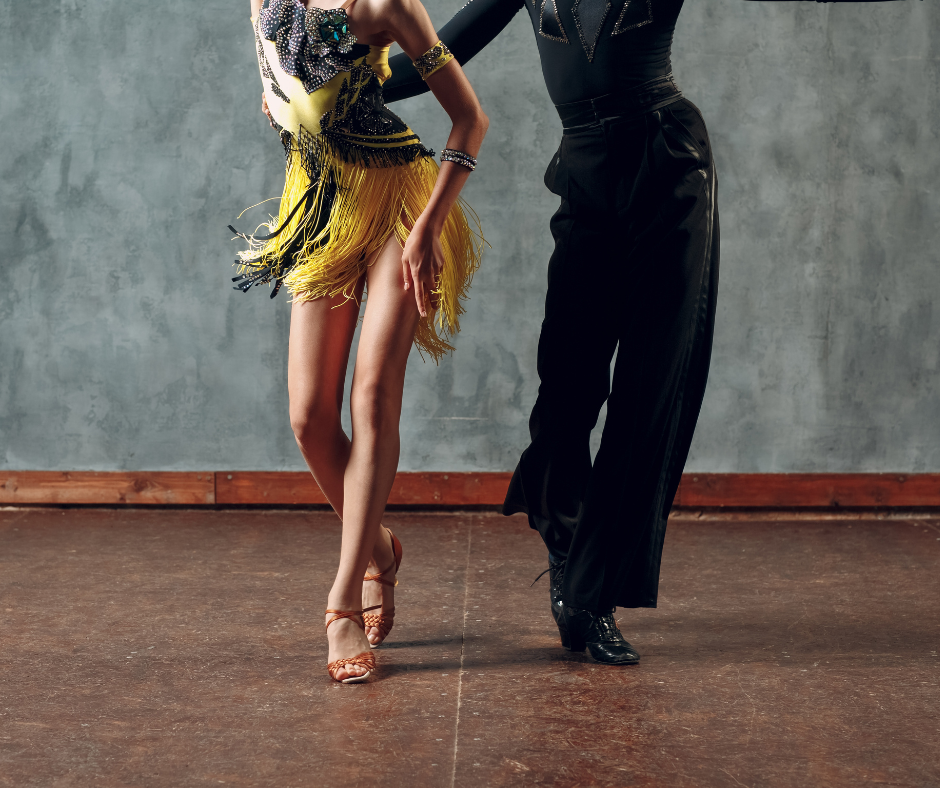
New students are often surprised by how quickly they pick it up. At Fred Astaire Dance Studios in Summerlin, your first Mambo lesson starts with the basic step and timing. From there, it builds into simple turns and partnering, so you leave feeling accomplished. You don’t need a partner or any experience. To get started, wear comfortable clothing and smooth-soled shoes that let you pivot easily.
Beyond the fun, Mambo is a terrific workout. The quick footwork and hip action build cardio endurance, coordination, and balance. Regular practice can also improve your posture and confidence. It’s a great way to meet people and get ready for Las Vegas’s lively Latin nightlife.
Many students pair Mambo with our Salsa lessons or Cha-Cha classes to round out their Latin repertoire. If you’re curious about how the dance evolved, Britannica’s overview of Mambo history is a great read.
Ready to take your first step toward a new and exciting lifestyle? Contact Fred Astaire Dance Studios in Summerlin today and book your first Mambo lesson. Inside our doors, you’ll find a warm, friendly atmosphere that will inspire you to reach new heights and have plenty of fun doing it!