

Starting your dance journey is an exciting experience, especially when you’re learning from the talented instructors at Fred Astaire Dance Studio of Moon Valley. Whether you’re taking your first Cha-Cha step, gliding into the Waltz, or trying a smooth Foxtrot, mastering the right techniques early on builds a solid foundation for success. These fundamentals not only improve your rhythm and coordination but also boost your confidence on the dance floor.
Below are the top dance techniques every beginner should master to make their lessons more enjoyable and rewarding.
1. Posture and Frame
Good posture is the first thing your instructor will emphasize—and for good reason. Proper alignment allows for better balance, coordination, and connection with your partner. Keep your shoulders relaxed, your core engaged, and your chin up.
Your dance frame—the position of your arms and hands in partner dances like the Waltz, Tango, and Foxtrot—creates a strong connection between you and your partner. A solid frame helps both dancers stay in sync while allowing for smoother transitions between movements.
2. Balance and Weight Transfer
Every dance style taught at Fred Astaire Dance Studio of Moon Valley—from the Rumba to the Swing—relies on clean, controlled weight transfers. Beginners often struggle with shifting weight too quickly or unevenly, which can throw off rhythm.
Practice standing on one leg and gradually moving your weight to the other while keeping your upper body steady. Learning how to control your center of gravity will make your steps look effortless, whether you’re gliding across the floor in a Foxtrot or stepping with passion in a Salsa.
3. Timing and Rhythm
Dancing is all about moving in harmony with the music. Understanding rhythm and timing is key to keeping your steps consistent and on beat. Start by counting aloud as you practice—most social dances follow patterns like “slow, slow, quick-quick” or “1, 2, 3, 4.”
Each dance style has its own rhythm: the Cha-Cha uses a playful “2, 3, cha-cha” count, while the Rumba is slower and more romantic. Over time, you’ll develop a natural sense of timing that allows you to relax and focus on enjoying the dance.
4. Leading and Following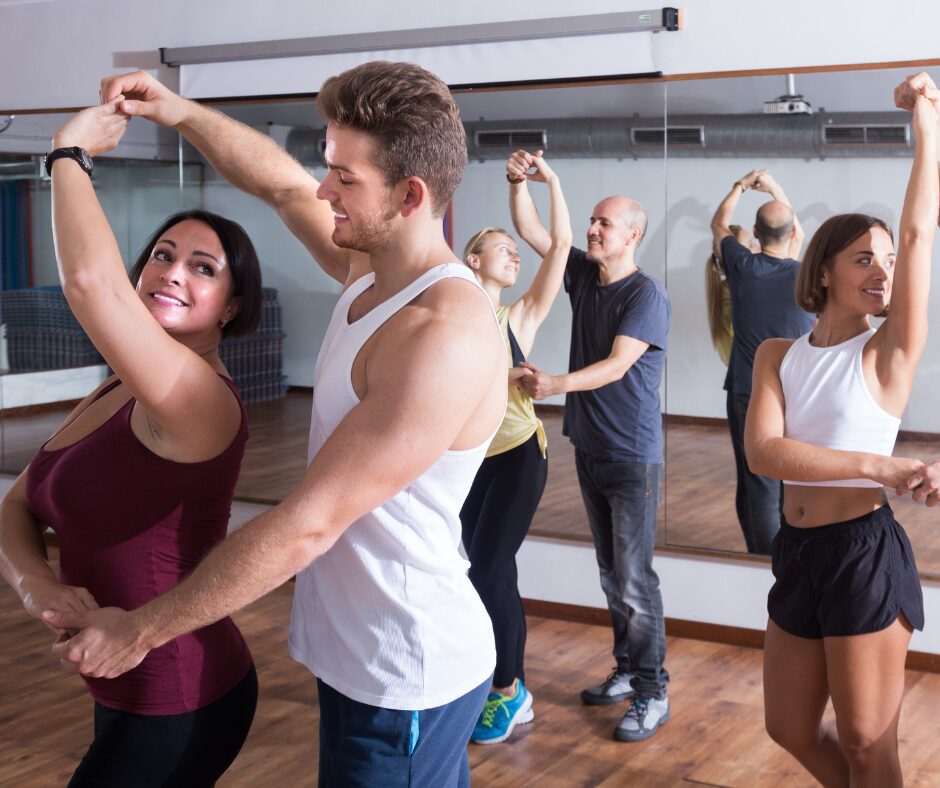
Partner dances like the Swing, Waltz, and Tango require clear communication between partners through body movement—not words. Instructors at Fred Astaire Dance Studio of Moon Valley teach proper leading and following techniques so that both partners move as one.
The leader guides the movement with gentle pressure and directional cues, while the follower maintains frame and responsiveness. When done correctly, this creates a seamless partnership that looks graceful and natural. It’s one of the most rewarding skills to master as you continue your dance journey.
5. Footwork Precision
Accurate foot placement makes a huge difference in how polished you appear on the dance floor. Beginners should focus on keeping their steps small, precise, and consistent. Avoid rushing or overstepping—smooth, controlled movements look much more elegant.
For example, in Foxtrot, steps should glide with a heel-toe motion, while in Rumba, you’ll use the ball of your foot to create that signature hip action. By repeating drills and practicing basic steps daily, you’ll gain muscle memory and confidence in your movements.
6. Connection and Expression
Once you’ve learned the basic movements, it’s time to bring emotion and personality into your dancing. Connection and expression turn technical steps into a performance.
In Rumba and Salsa, focus on storytelling through your body language and facial expressions. For the Waltz or Foxtrot, let your movements flow gracefully with the music, emphasizing elegance and romance. The more connected you feel to your partner and the music, the more engaging your dancing becomes.
7. Practice and Consistency
No matter how talented your instructor is, progress comes with consistent practice. Repetition helps you internalize movements until they feel natural. Even practicing 10–15 minutes daily between lessons can dramatically improve your technique and confidence.
Take advantage of group classes and practice parties at Fred Astaire Dance Studio of Moon Valley to apply what you’ve learned in a fun, social environment. Dancing with different partners and to various music styles will enhance your adaptability and comfort level.
8. Confidence on the Dance Floor
Perhaps the most important technique for beginners isn’t physical at all—it’s mental. Confidence transforms every step into a statement. Trust the process, let go of fear, and remember that every dancer started somewhere.
At Fred Astaire Dance Studio of Moon Valley, instructors provide encouragement and step-by-step guidance so you can dance confidently, whether it’s your first time learning the Cha-Cha or your tenth Swing class.
Start Your Dance Journey Today
Learning to dance is more than just mastering steps—it’s about connection, joy, and self-expression. The instructors at Fred Astaire Dance Studio of Moon Valley make it easy for beginners to develop proper technique, rhythm, and confidence from the very first lesson.
Ready to start dancing? Call (602) 795-2220 today or visit Fred Astaire Dance Studio of Moon Valley to schedule your introductory lesson and experience the fun, fitness, and freedom that dance brings!