

As temperatures drop and the air turns crisp, dancers may notice their bodies feeling a little tighter than usual. Cooler weather can make muscles and joints more prone to stiffness, increasing the importance of proper stretching and warm-ups before every dance session. Whether you’re preparing for ballroom, Latin, or social dancing, taking the time to warm up properly can help improve performance, prevent injury, and make your fall dance season even more enjoyable.
Why Warm-Ups Matter More in Cooler Weather
When the weather cools, your muscles require more time to reach optimal temperature and flexibility. Cold muscles are less elastic, which can limit your range of motion and make you more susceptible to strains or soreness. A structured warm-up routine helps increase blood flow, elevate body temperature, and mentally prepare you for dancing. Think of it as flipping a switch that tells your body, “It’s time to move!”
Even if you’re an experienced dancer, skipping your warm-up in fall and winter can have long-term effects. Consistent stretching and gradual warm-ups promote better posture, smoother transitions, and improved control—key components of every great dancer’s technique.
Start with Gentle Movement
Before you jump into any stretching routine, start with five to ten minutes of light movement to get your heart rate up and your body warm. Here are a few easy ways to begin:
- March in place: Lift your knees and swing your arms to activate your core.
- Arm circles: Loosen up the shoulders and upper body with small, controlled rotations.
- Side steps or grapevines: Perfect for dancers—add some rhythm to your warm-up.
- Light jogging or brisk walking: Great for increasing circulation before hitting the dance floor.
These movements help awaken your muscles and prepare them for more dynamic stretches.
Dynamic Stretching: Move with Intention
Dynamic stretches—where you move through a full range of motion instead of holding a position—are ideal before dancing. They help lengthen muscles while maintaining energy and coordination.
Some excellent dynamic stretches for dancers include:
- Leg swings: Hold onto a wall or barre and swing one leg forward and backward. Repeat side-to-side for hip flexibility.
- Torso twists: Gently rotate your upper body to loosen the spine and improve core mobility.
- Arm sweeps: Extend your arms and move them in wide arcs to open up the chest and shoulders.
- Lunges with a twist: Step forward into a lunge, then rotate your torso toward your front leg to activate your hips and spine.
Perform each move for about 30 seconds per side, keeping the motion smooth and controlled. Avoid bouncing or overextending, which can lead to strain.
Focus on Major Dance Muscles
Different dance styles engage different muscle groups, but every dancer should pay special attention to certain key areas:
- Hips and glutes: Crucial for turns, balance, and powerful movements.
- Calves and ankles: Support jumps, spins, and stable footwork.
- Core and back: Maintain posture, alignment, and fluid transitions.
- Shoulders and arms: Keep your frame strong yet graceful, especially for ballroom and Latin styles.
By targeting these areas during your warm-up, you’ll feel lighter, more coordinated, and better prepared to perform with precision.
Static Stretching: Cool Down Properly
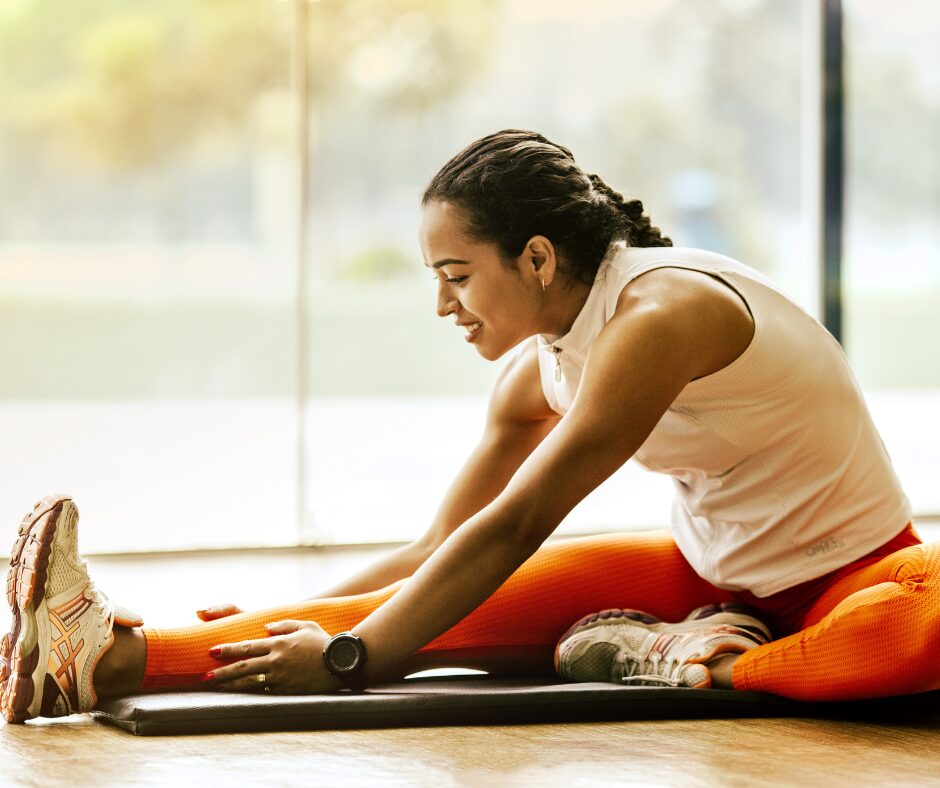
After class or practice, static stretching becomes your best friend. Holding stretches helps relax tight muscles and improve long-term flexibility. Aim to hold each position for 20–30 seconds, breathing deeply throughout.
Some effective cool-down stretches include:
- Hamstring stretch: Sit or stand and reach toward your toes to ease tension in the legs.
- Quad stretch: Pull one foot behind you while standing to open up the front of your thighs.
- Shoulder stretch: Bring one arm across your body and use your other hand to deepen the stretch.
- Cat-cow stretch: Alternate arching and rounding your back to release tension from the spine.
Cooling down also gives your heart rate a chance to gradually return to normal and prevents post-dance soreness.
Listen to Your Body
Every dancer’s body is different, and cooler weather can affect people in different ways. If you feel discomfort or tightness, adjust your movements, take breaks, and never push beyond your limits. Consistency matters more than intensity—warming up for 10–15 minutes before every session can make a significant difference over time.
Hydration and proper clothing also play key roles. Drink plenty of water before, during, and after dancing, and wear layers that keep your muscles warm without restricting movement.
Keep Dancing Strong This Fall
A great dancer doesn’t just move beautifully—they prepare intentionally. Taking a few extra minutes to stretch and warm up in cooler weather helps your body stay flexible, strong, and ready for every dance floor moment ahead. The more you care for your body now, the better your performances will be all season long.
Build confidence, stay flexible, and dance your best this fall! Join us at Fred Astaire Dance Studio of Moon Valley—where expert instructors and a warm, welcoming community make every step fun and rewarding. Call today (602) 795-2220 to schedule your introductory lesson!