

Is it too late to learn how to dance as an adult? Short answer: no. Not even close.
Every week, adults walk into Fred Astaire Dance Studio of Raleigh convinced they’re the exception, the one person who started too late or has genuinely two left feet. Then they take their first class and realize the story they told themselves wasn’t true. Dance is one of the few skills where age isn’t a barrier. It’s often an advantage, because adult students bring patience and self-awareness that kids just don’t have yet.
If you’ve been putting off learning to dance as an adult because you think the window has closed, here’s what actually happens when you start, backed by research, real teaching experience, and what we see on our own dance floor every day.
Table of Contents
Can You Really Learn How to Dance as an Adult?
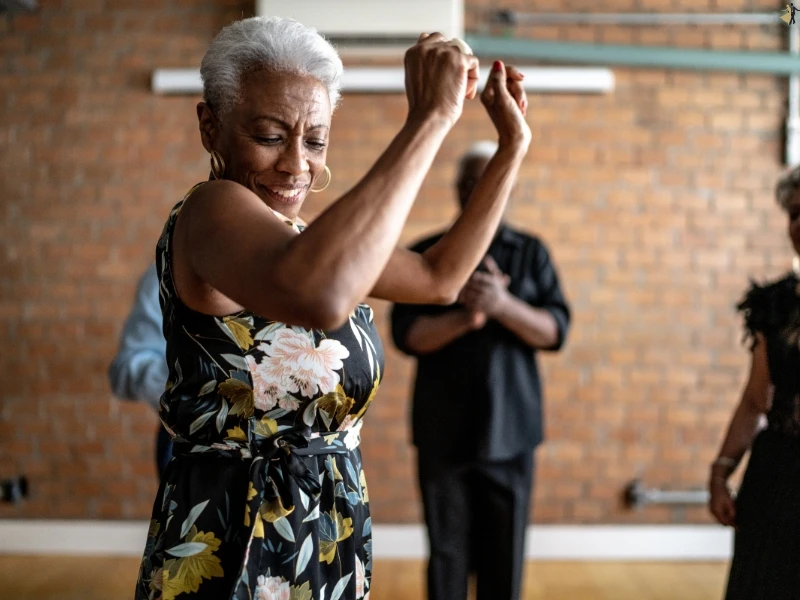
Yes. Dance is a physical skill, not a talent you’re born with or without. Like learning a language or an instrument, your brain and body build new patterns through repetition and good instruction. Adults learn dance differently than children do, but not worse. You understand rhythm and counting faster because you already grasp abstract concepts like timing and structure. What takes a child months to internalize, an adult can often pick up in a few lessons with the right teacher breaking it down step by step.
At Fred Astaire Dance Studio of Raleigh, most new students are adults starting their dance journey for the first time in their 30s, 40s, 50s, and well beyond. A wedding, a milestone birthday, a New Year’s resolution, or simply the itch to try something new after years of putting it off. Age has never been the deciding factor in whether someone becomes a good dancer. Showing up consistently is.
The Real Benefits of Dancing, Beyond Just Fun
Dancing is one of the rare activities that checks nearly every wellness box at once.
Regular dance practice does real, measurable work on your body:
Improves cardiovascular health through sustained, rhythmic movement
Builds muscle strength, particularly in the legs, core, and back
Increases flexibility and range of motion over time
Sharpens coordination and balance, which matters more as we age since mobility gets harder to maintain without intentional movement
The benefits above the neck are just as significant. Dance classes reduce stress and anxiety, largely because dancing requires focus that pulls your attention away from whatever’s been looping in your head all day.
Does dancing lower cortisol? Research on physical activity and stress response consistently shows that structured movement, including dance, lowers cortisol levels and boosts endorphins, the same chemistry behind a runner’s high. Add in live music and a room full of people working toward the same goal, and you get a stress-relief effect that’s hard to replicate at a gym.
There’s a cognitive piece too. Learning choreography and partner work engages memory, spatial awareness, and quick decision-making simultaneously, which is why dance is increasingly recommended as a tool for supporting long-term cognitive health.
Dance studios tend to build genuine friendships among students who started as strangers and became regular practice partners, showcase teammates, and occasionally each other’s biggest cheerleaders. For a lot of adult students, the social connection ends up mattering as much as the dancing itself.
Can Dancing Be Self-Taught?
You can pick up basic steps from YouTube. What’s much harder to self-teach is technique, timing with a partner, and the muscle memory that makes movement look natural instead of counted.
Why Partner Dancing Is Different
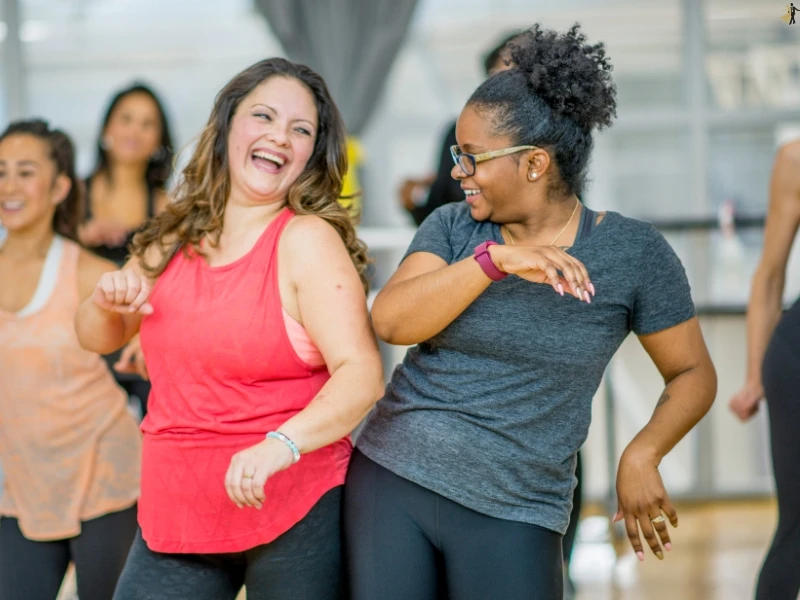
Individual classes have their place, especially for exploring a style before committing or practicing footwork on your own time. But partner dancing in particular relies on leading and following, weight transfer, and frame, all things that require live feedback from someone who can see what your body is actually doing versus what you think it’s doing. A good teacher catches the small habit that’s throwing off your balance before it becomes permanent. Don’t have a partner? No problem! In our group classes, we pair solo dancers with an instructor or other solo dancer. You won’t be left to your own!
The Combination That Actually Works
Most adult dancers who progress quickly aren’t relying on just one method. They combine:
Group lessons for fundamentals and structure
Private lessons for individual correction and faster progress
Social dancing to practice with different partners in a low-pressure setting
That combination builds real skill faster than any single method alone.
What's the Best Dance to Learn as an Adult?
There isn’t one universal answer, it depends on what you’re after, but some styles are especially beginner-friendly.
Ballroom and hip hop dance are consistently among the easiest starting points for adults, though for different reasons.
Ballroom includes styles like foxtrot, waltz, tango, and rumba. It breaks movement into structured patterns that are easy to learn incrementally, and it’s built around partnership, so you’re never dancing alone even as a total beginner.
Hip hop dance is more about rhythm, isolation, and self-expression, which appeals to adults who want a freestyle, high-energy outlet instead of set patterns.
Salsa is another strong beginner choice. It’s social, energetic, and built for real-world use at events and social dance nights, with basic rhythm you can start applying almost immediately.
If you’re drawn to classical technique, an adult ballet class or beginner contemporary dance class builds foundational strength and posture that carries over into every other style. Tap is worth considering too, since it teaches rhythm and timing in a way that’s immediately audible, so you know right away when you’ve got it right.
The honest advice we give new students: try a few different classes before committing to one particular style. Most people don’t know what they’ll love until they’re standing on the dance floor trying it.
What to Expect at Your First Class at Fred Astaire Raleigh
Fred Astaire Dance Studio of Raleigh has been teaching adults to dance for decades, and the studio at 6300 Creedmoor Road follows the same proven structure used across Fred Astaire studios nationwide: private lessons, group lessons, and practice parties working together so students learn faster and retain more.
Your first class won’t put you on the spot. It’s designed to assess where you’re starting from, introduce basic steps in a particular style you’re interested in, and get you moving to music within your first lesson. Instructors are certified in the Fred Astaire curriculum, many with formal dance training and backgrounds as competitive, award-winning dancers, so you’re learning technique that’s been refined and tested, not improvised.
Each piece of the program serves a different purpose:
Group classes let you practice alongside other adult beginners in a supportive environment, which takes the pressure off since everyone in the room is working through the same learning curve.
Private lessons give you one-on-one time to work on whatever’s specific to you, whether that’s a wedding dance, competition prep, or just building confidence before your next social event.
Practice parties give you a real dance floor to apply what you’ve learned with other students and staff, no pressure, just practice.
You don’t need a partner or any prior experience to start. Whether you’re exploring ballroom for the first time, brushing up before a big event, or finally chasing something you’ve wanted to try for years, the studio is built for adult beginners at every stage.
You'll Feel Awkward at First. That's Normal.

Every dancer, including the instructors teaching your first class, remembers what it felt like to walk into a studio for the first time. Feeling like you have two left feet in week one is part of the process, not a sign you’re behind. Stage two of learning any skill, conscious incompetence, is where you notice every mistake you’re making. It feels uncomfortable, but it’s also proof you’re progressing. Stick with it and that awareness turns into control, then eventually into movement that feels automatic.
The adults who become genuinely good dancers aren’t the ones who started with natural rhythm. They’re the ones who kept showing up through the awkward stage, stayed curious about a few different styles, and let a good teacher correct their basics before bad habits set in.
Start Your Dance Journey Today
It’s not too late. It was never too late. The only real difference between someone who dances and someone who says they wish they danced is that one of them signed up for a first class.
Fred Astaire Dance Studio of Raleigh is located at 6300 Creedmoor Road, Suite 122, Raleigh, NC 27612. Call 919-872-0111 or fill out the contact form below to schedule your first lesson and see what your own dance journey looks like once it actually begins.