

Viennese Waltz is a fast, graceful ballroom dance known for continuous rotation, sweeping movement, and elegant musicality. Closely associated with nineteenth-century Vienna, the style became fashionable among European royalty and high society during the era of composers Johann Strauss I and Johann Strauss II. Their music helped define the buoyant character that dancers still associate with grand ballrooms today. Viennese Waltz stands apart from slower ballroom styles because its quicker tempo requires partners to maintain control while moving smoothly around the floor. The result is a dance that feels light, sophisticated, and exhilarating while demanding strong timing, posture, and partnership.
How Viennese Waltz Became a Ballroom Tradition
The rise of Viennese Waltz reflects a major shift in European social dancing. Earlier dances often kept partners at a greater distance, so the closer hold used by waltzing couples was considered daring and even controversial. As the style gained acceptance in aristocratic circles, it became increasingly associated with formal balls, orchestral music, and the social elegance of Vienna. The popularity of composers such as Johann Strauss II further strengthened this connection through works that captured the energy and romance of the era. Students interested in broader historical context can explore the Library of Congress overview of Nineteenth-Century Social Dance, which discusses the waltz as one of the most influential round dances of the nineteenth century. The modern ballroom version continues that tradition through its distinctive speed, turns, and progressive movement.
What Makes Viennese Waltz Technique Unique
Learning Viennese Waltz requires a combination of stamina, balance, timing, and efficient movement. Because the music moves quickly, dancers must avoid overworking each step and instead rely on controlled body action and consistent partnership. Unlike slower, smooth dances where rise can lift the body noticeably above normal standing height, Viennese Waltz uses a subtler form of rise created through the knees and body. This allows couples to preserve a grounded connection while maintaining the flowing appearance of the dance. At Fred Astaire Dance Studios in Arcadia, students can learn how to manage rotation, direction, posture, and foot placement without sacrificing musicality. Lessons can be adjusted for beginners who need a clear technical foundation as well as experienced dancers who want to refine speed, shaping, and floorcraft.
Build Confidence Through Viennese Waltz Lessons
One of the most rewarding parts of the dance is learning how to create effortless-looking movement at a faster tempo. The dance is progressive, so couples travel around the ballroom while rotating through patterns that demand awareness of space and other dancers. Some figures can also be performed more nearly in place, giving partners opportunities to vary the visual texture of a routine. Viennese Waltz helps students strengthen coordination, endurance, body alignment, and partner communication while developing better musical awareness. The quick tempo makes efficient technique especially important, since unnecessary tension can make movement feel heavy. Its three-quarter musical structure encourages dancers to hear each measure clearly and coordinate their movement with a continuous pulse. That combination of speed and control can be satisfying as couples begin turning more smoothly, traveling with greater confidence, and maintaining a consistent connection. The goal is not simply to move faster, but to make every rotation feel organized, balanced, and naturally connected to the music. With practice, dancers learn to stay relaxed, maintain a dependable frame, and let the music guide the rhythm rather than rushing through the steps.
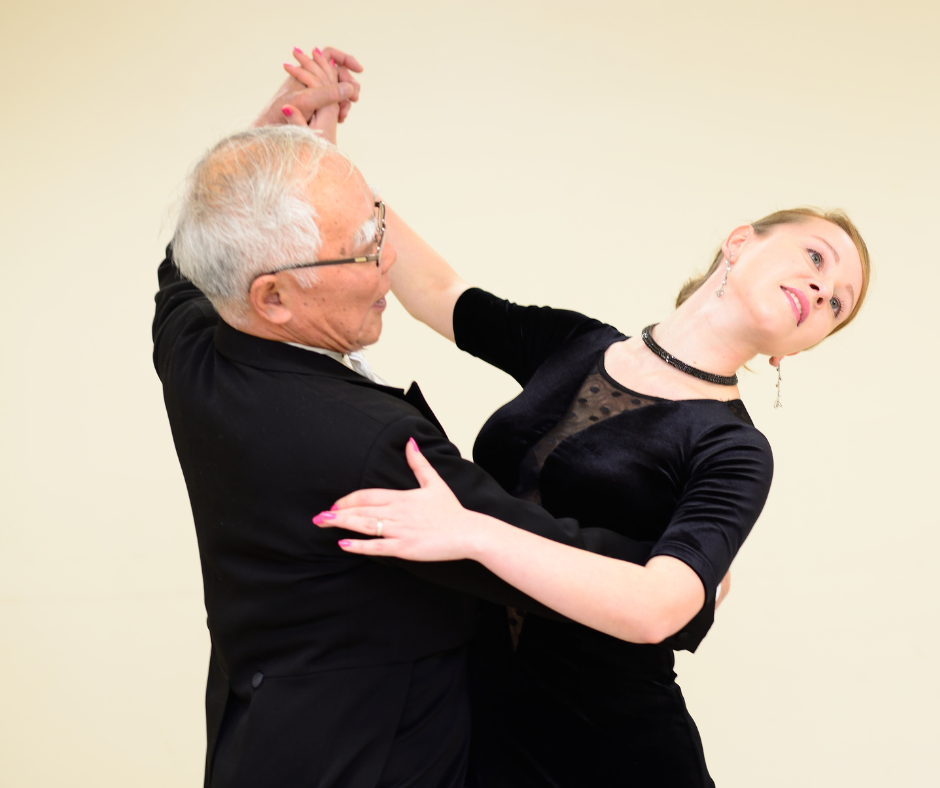
Bring Viennese Waltz Into Your Dance Life
At Fred Astaire Dance Studios in Arcadia, Viennese Waltz lessons can be tailored to many different goals. You may be preparing for a wedding, exploring ballroom dancing as a new hobby, improving your connection with a partner, or looking for a style that challenges your stamina and technique. Our professional instructors break Viennese Waltz into manageable skills so students can understand the timing, rotation, posture, and partner connection before progressing to more advanced combinations. Previous dance experience is not required, and you do not need to arrive with a partner to get started. As your confidence grows, lessons can introduce more detailed floorcraft, shaping, musical interpretation, and movement quality while continuing to reinforce strong fundamentals. Contact Fred Astaire Dance Studios in Arcadia today to ask about our Introductory Offer and discover how Viennese Waltz can bring elegance, momentum, musicality, and confidence to your time on the dance floor.