

Jive is a fast, upbeat partner dance recognized for buoyant movement, rhythmic footwork, and an unmistakable sense of fun. Its development was influenced by American dances of the 1930s and 1940s, including Jitterbug, Boogie-Woogie, Lindy Hop, East Coast Swing, Shag, and early Rock ’n’ Roll. As dancers blended elements of these styles, Jive emerged with a distinct personality built around quick timing and playful interaction between partners. The dance rewards clear rhythm, light movement, and confident musical interpretation rather than large traveling patterns. For students who enjoy energetic music and expressive movement, it offers an engaging way to develop coordination, stamina, balance, and a stronger connection to a dance partner.
From American Roots to International Jive
During World War II, American service members helped introduce popular swing-based dancing to audiences throughout Europe. The youthful style quickly attracted attention because it felt fresh and informal compared with many established ballroom traditions. European dancers adapted the movement, and its popularity grew particularly in Britain and France. Over time, Jive became more standardized for ballroom competition while maintaining the lively character that made its social forms so appealing. In 1968, it was adopted as one of the five International Latin competition dances, alongside Samba, Cha Cha Cha, Rumba, and Paso Doble. For additional information about the recognized International Latin dances, students can explore the World DanceSport Federation’s overview of Standard, Latin and Ten Dance, which identifies Jive as part of the Latin program.
Sharpen Timing Through Jive Dance Lessons
Learning Jive can help students improve quick weight changes, timing, posture, coordination, and partner awareness while becoming more comfortable with faster music. The dance is generally performed as a spot dance rather than continuously traveling around the line of dance, allowing couples to create plenty of energy within a relatively compact area. Its characteristic springy action gives the movement a light, animated appearance, while advanced figures may introduce sharper flicks, kicks, turns, and directional changes. At Fred Astaire Dance Studios in Arcadia, instruction can be adjusted to match each student’s experience and goals. Beginners can focus on basic patterns and rhythm before adding more detailed footwork, while experienced dancers can refine technique, speed, styling, musicality, and precision. Lessons are structured so progress feels challenging without becoming overwhelming.
What Gives Jive Its Signature Energy
One of the most recognizable qualities of Jive is the combination of quick footwork and relaxed upper-body movement. The music is commonly written in 4/4 time, giving dancers a clear pulse for patterns that feel lively and continuous. Jive does not need elaborate choreography to look impressive; strong timing, clean weight changes, and an authentic sense of rhythm can create an engaging performance even with fundamental steps. As students gain confidence, they can explore variations in kicks, flicks, turns, hand positions, and partner patterns while learning to maintain balance and control at faster tempos. The style also encourages dancers to develop endurance and body awareness because every movement must remain coordinated with both the music and a partner. Because the timing is quick, students learn to stay relaxed instead of forcing each step. Efficient foot placement and controlled movement can make faster dancing feel more manageable while reducing unnecessary tension. These skills are useful beyond one style, since improved balance, musical awareness, and partner communication can support progress across other ballroom and Latin dances. Regular practice also helps dancers react more naturally to tempo changes and unfamiliar music. That mixture of discipline and freedom keeps lessons interesting as skills grow.
Turn Jive Into a Skill You Can Enjoy Anywhere
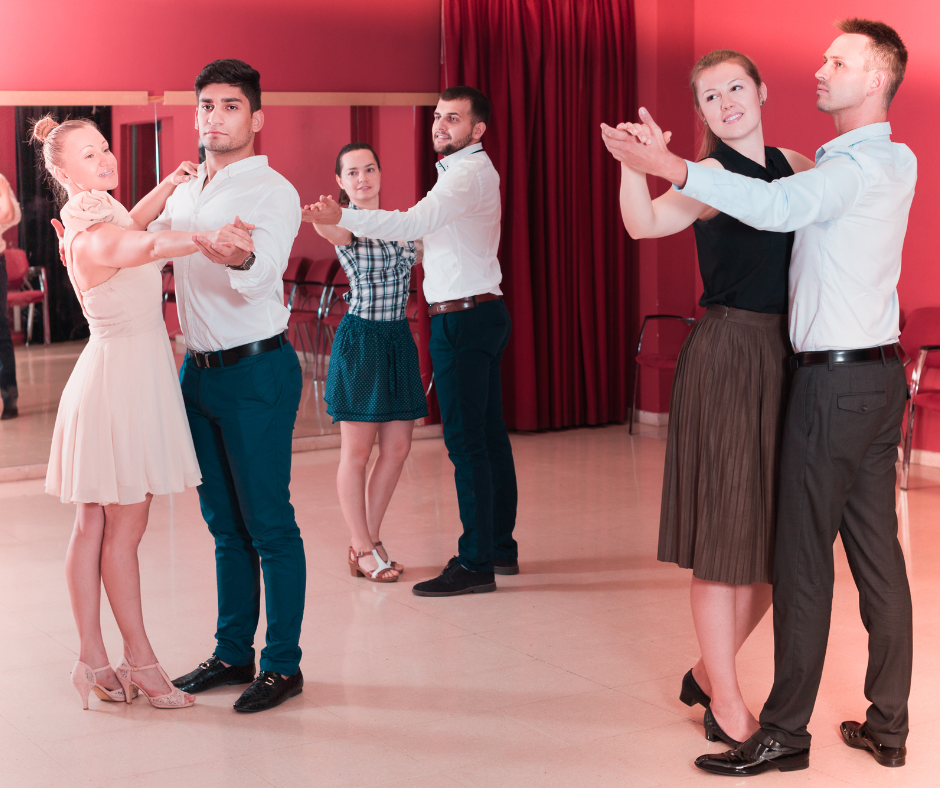
At Fred Astaire Dance Studios in Arcadia, Jive lessons can be tailored to many different reasons for learning to dance. You may want to prepare for a performance, become more confident at social events, expand your International Latin repertoire, improve your fitness through movement, or simply discover a hobby that brings more music into your routine. Professional instructors break Jive into manageable pieces so students can understand the rhythm, footwork, partnership, and technique before progressing to more advanced combinations. Previous dance experience is not required, and you do not need to arrive with a partner to begin. As your confidence grows, lessons can introduce faster patterns and more expressive styling while reinforcing strong fundamentals. Contact Fred Astaire Dance Studios in Arcadia today to ask about the Introductory Offer for new students and discover how this upbeat style can bring energy, connection, confidence, and enjoyment to your time on the dance floor.