

Tango is a sophisticated ballroom dance known for sharp footwork, poised pauses, and close partner connection. It rose to prominence in the United States during the remarkable period of social dance innovation between 1910 and 1914, when audiences were eager for new styles with stronger personality and expression. The dance immediately stood apart because of its asymmetrical patterns, measured movement, and romantic character. Unlike styles built around light or continuously flowing actions, it uses deliberate direction changes and clearly defined shapes. Those qualities make Tango especially appealing to students who want to develop stronger posture, musical awareness, and confidence while learning a ballroom dance with a distinctive identity.
Explore the Early Influences of Tango
The exact beginnings of Tango are difficult to trace because its history includes several cultural influences and competing origin stories. The dance is commonly associated with Argentina, although traditions from Spain, Cuba, and other parts of Latin America contributed to its development. Early forms were influenced by the milonga, along with rhythms and movement traditions that evolved as different communities interacted. By the early twentieth century, the style had become recognizable in and around Buenos Aires, where dancers continued adapting the music and movement. As it gained broader social acceptance, the dance moved beyond local cafés and gathering places into more formal settings. For additional historical context, explore the Library of Congress collection An American Ballroom Companion, which preserves historic social dance manuals from the ragtime era and includes materials related to early Tango.
See How Tango Captured International Attention
As Tango gained popularity, its journey beyond Latin America helped reshape how the dance was perceived. Parisian society became fascinated with its unusual patterns, close partnership, and dramatic character, giving the style international visibility. From there, enthusiasm spread to other major cities, and American dancers embraced it during the early twentieth-century ballroom boom. Over time, ballroom teachers refined the technique so students could learn recognizable patterns while still expressing the character of the music. This combination of structure and personality helped the dance remain relevant even as ballroom fashions changed. Its lasting appeal comes from the way it blends romance, precision, and theatrical presence without requiring exaggerated movement.
Develop Control Through Tango Dance Lessons
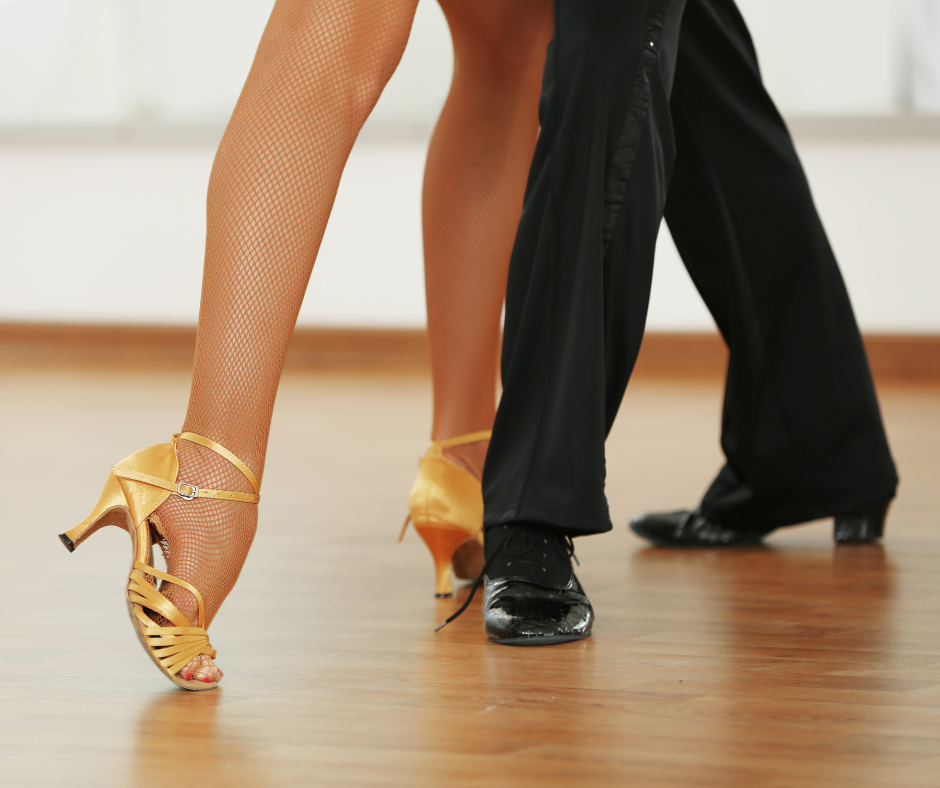
Learning Tango gives students an opportunity to strengthen balance, posture, foot placement, timing, and partner awareness. The dance is progressive, meaning couples travel around the floor, but its movement is often interrupted by purposeful pauses and sharply defined actions. Flexed knees and controlled steps contribute to the grounded, dramatic quality of the style, while the close partnership requires clear communication between dancers. At Fred Astaire Dance Studios in Arcadia, lessons can be adapted to a student’s experience level and goals. Beginners can work on basic timing, walking actions, frame, and direction changes before moving into more detailed figures. Experienced dancers can refine shaping, musical phrasing, floorcraft, and transitions. Tango rewards precision, making even simple patterns look polished when posture, timing, and connection work together effectively. This approach also helps students become more comfortable navigating shared dance floors and adapting their movement to different musical phrases.
Bring Tango Into Your Ballroom Experience
At Fred Astaire Dance Studios in Arcadia, Tango lessons are designed to make this classic style approachable while preserving the drama and sophistication that make it memorable. The four-beat rhythm creates a steady musical foundation, while staccato foot actions and measured pauses give dancers opportunities to create contrast and visual impact. Students also learn to pay attention to head position, body alignment, partner connection, and the shape of each movement. Because couples generally dance close together, communication becomes an important part of both comfort and technique. You may want to prepare for a wedding, improve your social dancing, explore a new hobby, or expand your ballroom repertoire with a style that challenges both technique and expression. Our professional instructors break each skill into manageable parts and provide personalized guidance so you can progress at a comfortable pace. Previous dance experience is not required, and you do not need to arrive with a partner. Contact Fred Astaire Dance Studios in Arcadia today to ask about our Introductory Offer for new students and discover how Tango can bring greater confidence, connection, musicality, and style to your time on the dance floor.