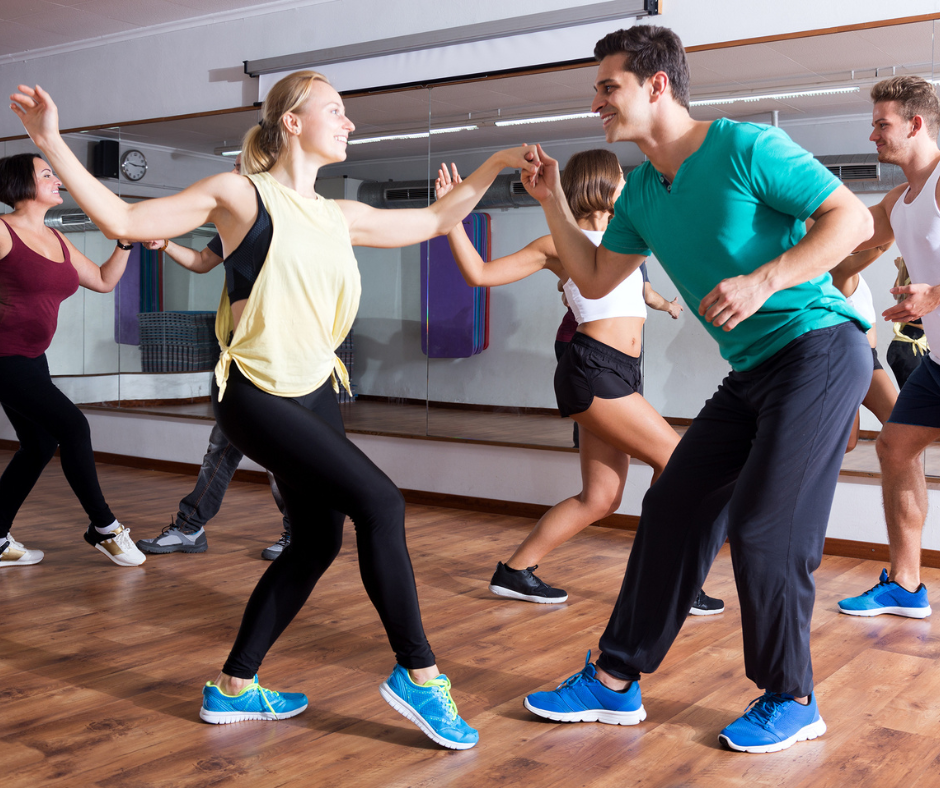
Find Your Rhythm with East Coast Swing
East Coast Swing is a lively American partner dance known for upbeat timing, playful movement, and an easygoing social feel. Its roots connect closely to Lindy Hop, the influential dance that flourished alongside jazz and big-band music in Harlem. Earlier styles such as the Charleston, Black Bottom, and Shag also helped shape the movement vocabulary that dancers recognize today. Over time, East Coast Swing developed into an approachable style built around clear rhythm patterns, comfortable partner connection, and plenty of personality. That combination makes it a popular choice for beginners who want to start social dancing while giving experienced students room to refine musicality, styling, and technique.
How East Coast Swing Found Its Footing
The early development of East Coast Swing reflects the evolution of American jazz dancing during the first half of the twentieth century. Lindy Hop originally featured energetic shuffling actions and rhythmic variations that could be adapted to different musical tempos. Those ideas eventually contributed to single, double, and triple rhythm patterns that remain useful foundations for dancers today. East Coast Swing became easier to teach in structured dance settings while preserving the spontaneity that made earlier swing styles so memorable. Students interested in the musical world surrounding these dances can explore the Smithsonian’s history of jazz, a non-commercial educational resource covering the growth of jazz and swing music in America.
Harlem’s Lasting Influence on East Coast Swing
Harlem played an essential role in the story of American swing dancing. Famous ballrooms brought dancers together while bandleaders and musicians created the driving rhythms that encouraged inventive movement. Performers and social dancers experimented with footwork, turns, breaks, and partner patterns, helping establish a style that valued both technique and individual expression. This particular dance carries that spirit forward through movements that can feel relaxed, rhythmic, and spontaneous without requiring a large dance floor. As the style became more widely taught, dancers across the country added interpretations and personal touches. The dance remained adaptable because strong fundamentals gave dancers a dependable base for creativity without limiting personal expression.
What Makes East Coast Swing So Enjoyable
One reason East Coast Swing remains appealing is its versatility. The dance is generally performed within a compact area instead of continuously traveling around the floor, making it practical for social events and busy dance spaces. Students can work with single, double, or triple rhythms depending on the music and their skill level. This dance also incorporates relaxed movement, rhythmic footwork, partner turns, and upper-body styling that can change with the character of a song. Later swing revivals introduced new generations to big-band sounds through artists such as the Brian Setzer Orchestra and Big Bad Voodoo Daddy. Today, this style complements classic swing music and modern songs with compatible rhythms, giving students opportunities to use what they learn.
Make East Coast Swing Your Next Dance
At Fred Astaire Dance Studios in Arcadia, East Coast Swing lessons are designed to help students develop fundamentals while feeling confident on the dance floor. Instructors can break down timing, footwork, partner connection, turns, and styling into manageable skills tailored to your experience. Whether you want to prepare for a wedding, enjoy social dancing, try a new hobby, or become more confident moving to music, East Coast Swing offers an approachable place to begin. You do not need previous dance experience or a partner to start. Lessons can progress with your goals as your coordination, musical awareness, and confidence grow. Contact Fred Astaire Dance Studios in Arcadia today to learn about our Introductory Offer and discover how East Coast Swing can add more rhythm, connection, and enjoyment to your time on the dance floor.