

Argentine Tango is a deeply expressive partner dance born in the Río de la Plata region, particularly Buenos Aires and Montevideo, during the late nineteenth century. It developed in neighborhoods shaped by African, European, and local cultural influences, creating a social dance built around connection, improvisation, musical interpretation, and purposeful walking. Unlike highly choreographed ballroom styles, the dance encourages partners to respond to one another and to the music in real time. Small changes in timing, direction, posture, or embrace can completely transform the feeling of a dance.
The Cultural Roots of Argentine Tango
Its history is surrounded by stories, debates, and traditions that reflect the diverse communities of Buenos Aires and Montevideo. African-descended populations, European immigrants, criollo culture, and local musical forms all contributed to its development. Early dancers gathered in neighborhood venues, social halls, bars, and other spaces where new steps and musical ideas could evolve naturally. The milonga, both a musical form and a social dancing tradition, became closely connected with this growing culture. Students interested in its cultural significance can explore UNESCO’s official page on Tango as Intangible Cultural Heritage, which describes the tradition shared by Argentina and Uruguay and its importance to the Río de la Plata region.
How Argentine Tango Reached the World
By the beginning of the twentieth century, the dance had moved beyond its neighborhood origins and gained increasing acceptance across Buenos Aires. Its international breakthrough came when wealthy Argentines traveling abroad introduced the dance to Parisian society. European audiences were fascinated by its close partnership, distinctive posture, and dramatic musical character. From Paris, interest spread to London, New York, and other major cities, helping transform the dance into an international phenomenon. The 1940s and 1950s are often associated with a celebrated Golden Age, when orchestras, singers, composers, and social dancers helped create a flourishing culture around the dance throughout Argentina.
Learn Connection Through Argentine Tango Lessons
Learning Argentine Tango involves much more than memorizing a fixed series of patterns. Students develop posture, balance, walking technique, musical awareness, and communication through the embrace. Because much of the dance is improvised, partners learn to listen to each other through subtle changes in movement and body position. At Fred Astaire Dance Studios in Arcadia, lessons can be tailored to a student’s experience and goals. Beginners can work on comfortable walking patterns, weight changes, timing, and partner connection before progressing into pivots, turns, ochos, and other recognizable movements. More experienced dancers can refine musical interpretation, navigation, embrace, and improvisational skills. Argentine Tango rewards patience because even simple movements can become highly expressive when timing, technique, and connection work together. That attention to detail can also improve overall body awareness and confidence in other partner dances.
What Makes Argentine Tango So Distinctive
One of the defining characteristics of Argentine Tango is its emphasis on improvisation. Rather than following the same predetermined routine every time, dancers use a shared vocabulary of movements to create each dance in response to the music, available floor space, and partner connection. The embrace can vary from open to close depending on the style and comfort of the dancers, while movement may range from subtle walking actions to intricate pivots and turns. Argentine Tango is traditionally enjoyed at social gatherings known as milongas, where floorcraft and awareness of other couples are important parts of the experience. This social tradition gives dancers an opportunity to apply their skills in a setting where musical interpretation, respect, and connection matter just as much as technical complexity.
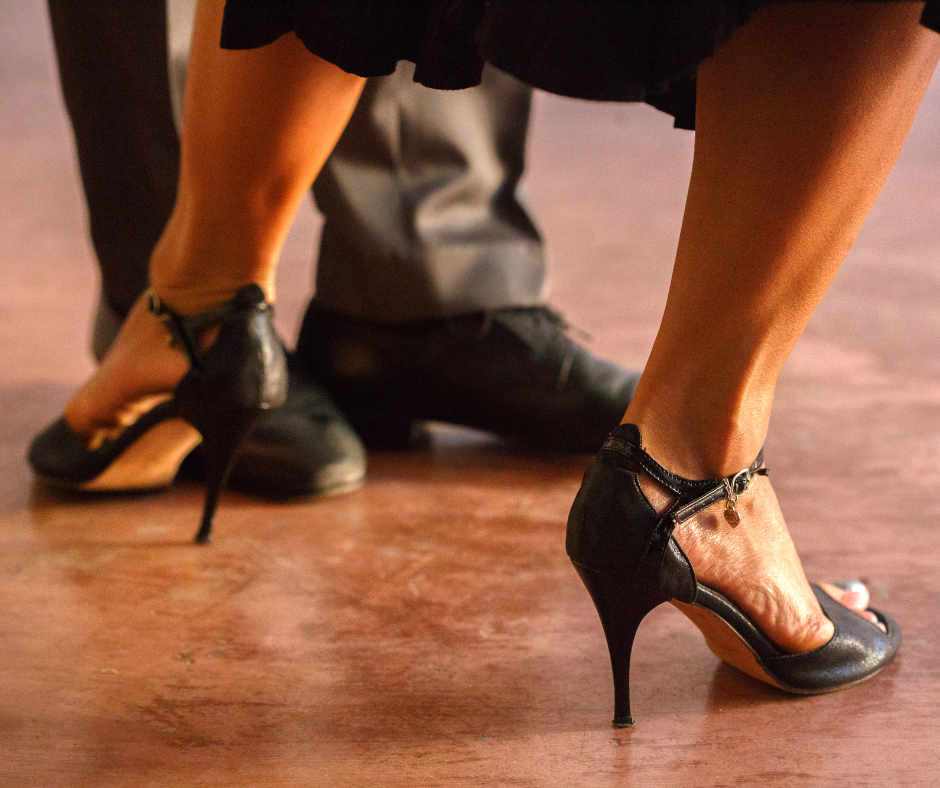
Make Argentine Tango Part of Your Dance Journey
At Fred Astaire Dance Studios in Arcadia, Argentine Tango lessons can help students explore a historic dance while developing practical skills they can use on the social dance floor. You may want to connect more closely with a partner, improve your musicality, prepare for an event, discover a new hobby, or challenge yourself with a dance centered on communication and creativity. Our professional instructors break Argentine Tango into manageable skills so students can build a strong foundation without feeling overwhelmed. Previous dance experience is not required, and you do not need to arrive with a partner to begin. As your confidence grows, lessons can introduce more detailed footwork, navigation, styling, and improvisation while reinforcing the fundamentals that make the dance feel natural. Contact Fred Astaire Dance Studios in Arcadia today to ask about our Introductory Offer and discover how Argentine Tango can bring connection, artistry, musicality, and confidence to your time on the dance floor.