

Types of Latin Dance: How to Easily Tell the Difference
Types of popular latin ballroom styles can look thrillingly similar when you’re watching from the sidelines—fast feet, hip action, dramatic music, all that gorgeous flavor. But once you know what to look for, each style has its own personality, rhythm and story. There are many different kinds of Latin dance, and each offers its own unique way to move and connect.
Many of today’s Latin American dance styles evolved from a blend of Indigenous, African and European dance traditions across Latin America. Dance styles originating from Latin America, including afro cuban dances such as salsa and bachata, are known for their energetic movements, rhythmic patterns, and deep cultural significance. Over time, these traditional dances and national customs became powerful expressions of community, spirituality and celebration—ways to tell stories, bring people together, and stay connected to cultural roots. Latin American folk dance, including a wide variety of folk dances and folkloric dances, reflects the historical, regional, and cultural origins of each country, preserving traditions through lively steps, music, and costumes. In contrast, European dances often emphasize formal choreography, technique, and different traditions, with distinct styles of partner interaction and cultural significance compared to the rhythmic, emotional nature of Latin American dances. Spanish cultures, African influences and local music scenes all helped shape the different Latin dance forms and musical styles we see today. These dances also reflect the vibrant culture and spirited communities from which they originate. The evolution of Latin dances often mirrors historical events, such as migration, colonization, and cultural exchange, which have shaped the identities of the communities involved.
This history has grown into a family of fiery partner dances that are now loved all over the world. Social club dances, standardized Latin ballroom dances and the most popular Latin dances you see at parties are all part of this wider universe of styles. Popular types of Latin dances you’ll see socially include salsa, bachata, cha cha and tango, while the formal International Latin category in ballroom competitions features cha cha cha, samba, rumba, paso doble and jive. Traditional dance plays a key role in maintaining cultural heritage, connecting generations through shared movement and music. These five Latin dances play a central role in the ballroom dance world, where they are highly standardized and performed in a competitive environment that emphasizes technical precision and artistry, while many other Latin dances stay closer to their social, street-dance roots. International Latin dances are characterized by their strong emphasis on technique, precise footwork, dramatic expression, and powerful movements.
The evolution of Latin dances is deeply influenced by their latin roots, especially the Afro-Caribbean and Cuban elements that contribute to their rhythmic complexity and cultural richness.
From social clubs and cruise ships to global ballroom dance competitions and national dance events, these dances give you endless ways to move, express yourself and connect with your partner out on the dance floor.
At Fred Astaire Dance Studios—one of the most recognized ballroom dance schools in the United States—we teach a variety of Latin and other dance styles. From smooth and romantic to sharp and playful, you can find the style that feels most like you.
Introduction to Latin Dance Styles
Latin dance styles aren’t just steps on a floor—they’re celebration in motion.
We’re talking energetic rhythms that make your heart race, expressive movements that let your personality shine, and deep cultural roots that connect you to something bigger than yourself. Many of these are considered popular dance forms, recognized worldwide for their vibrant energy and widespread appeal. Whether you’re drawn to the slow and sensual movements of Argentine tango or you can’t resist the lively, syncopated steps of cha cha cha, there’s a Latin American dance style that will match your mood and light up your soul. Merengue is often taught as an entry-level dance because of its straightforward steps and upbeat tempo.
Each style tells its own story. These latin dance styles were born from a mix of African, European and Indigenous influences, and they’ve been evolving ever since, adapting to new musical genres, new cities and new social trends. Now you can find them everywhere—from local studios and Latin nights to international-style ballroom events around the world.
From the dramatic flair of paso doble that makes you feel like a movie star to the playful spirit of cha cha that brings out your inner spark, these styles offer a whole world of latin dance expression and connection. And the best part? They’re waiting for dancers of all levels—yes, even if you think you have two left feet. Paso Doble is a dramatic and theatrical dance that portrays a Spanish bullfight.
Latin dancers are passionate performers, celebrated for their emotional, rhythmic style and deep cultural heritage, whether they’re lighting up the floor in social gatherings or competing on the world stage.
History of Latin Dance
Latin dance? It’s like a beautiful, wild tapestry woven from passion, history, and pure human spirit. We’re talking centuries of creativity here—and trust us, every thread tells a story.
Picture this: cultures colliding and creating something absolutely magical. Each Latin dance style you see today carries the heartbeat of its roots—African rhythms that make your pulse quicken, Spanish melodies that sweep you off your feet, and indigenous traditions that ground you in something sacred and powerful.
Here’s where it gets really interesting. Back in the early 19th century, enslaved Africans brought their incredible dance traditions to Latin America. Can you imagine the courage it took to hold onto that joy?
Those expressive, rhythmic movements didn’t just survive—they thrived. They mixed and mingled with the elegant steps of Spanish colonists and the ceremonial dances of indigenous peoples. The result? A dazzling explosion of new dance forms that celebrated everything good about being human—life, love, and community. The evolution of Latin dance is closely tied to the development of Latin music as a musical genre, which shaped the rhythms, instruments, and styles that define these dances and influenced countless other genres worldwide.
Fast-forward a bit, and you’ve got the dance styles that make our hearts race today. Take rumba with its slow, sensual movements, or paso doble with all that dramatic flair. They’re perfect examples of African and European influences creating something totally new together.
Then there’s the lively cha cha cha from Cuba—talk about infectious energy! And don’t even get us started on Argentine tango from Buenos Aires. Each one shows how local cultures put their own spin on music and movement. Many of these new forms emerged as partner dances, emphasizing the importance of connection, coordination, and shared expression between dancers.
But here’s the really cool part—these dances didn’t stay put. Latin American communities carried their dance traditions wherever they went, sparking trends and inspiring fresh interpretations all over the globe. Many Latin dance festivals around the world attract thousands of dancers every year. Latin American dances became especially popular in Europe in the 19th century, where they influenced ballroom styles and gained a dedicated following.
Cuban son laid the groundwork for salsa, and now you’ll find that high-energy dance filling clubs and studios from New York to Tokyo. Bachata started as this sensual dance in the Dominican Republic, and now it’s beloved worldwide. Even East Coast Swing—though it’s rooted right here in the United States—draws on those infectious rhythms and partner connections that make Latin American dances so irresistible.
Today’s Latin dance scene? It’s more vibrant than ever. From traditional festivals in Latin America to modern ballroom competitions and social dance parties around the world, these styles keep evolving and inspiring new generations.
Whether you’re drawn to bachata’s slow and sensual embrace, cha cha’s flirtatious energy, or Argentine tango’s dramatic storytelling, there’s a Latin dance style that’ll speak to your soul. And here’s the beautiful truth—you don’t need perfect technique or years of experience to feel that magic. You just need to take that first step.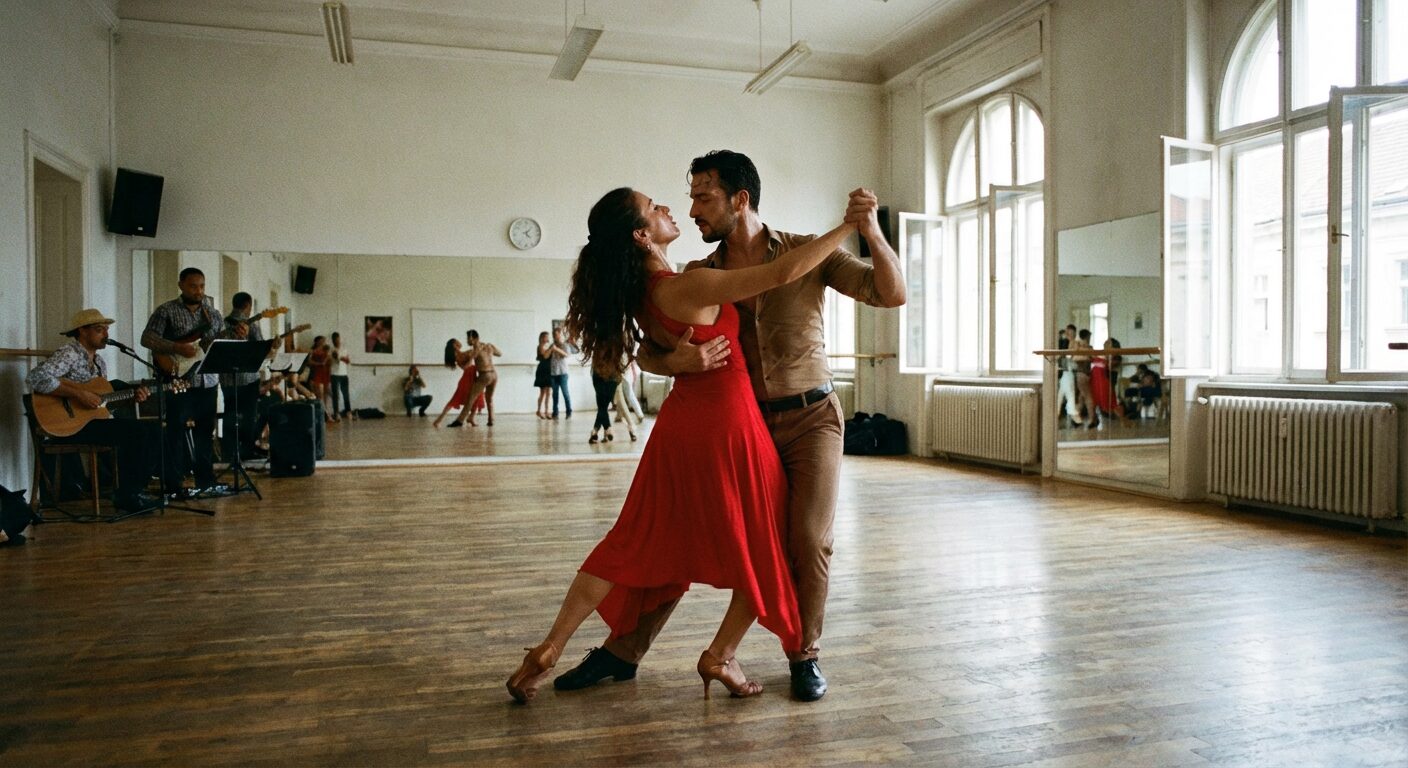
Types of Latin Dances You’ll See at Fred Astaire
Let’s break down four of the most popular types of Latin dances you’ll encounter in our studios and on the social dance floor: bachata, cha cha, salsa and tango. These styles are considered some of the most popular dances in the Latin dance world, often categorized into Club Latin, Ballroom, American Rhythm, and International styles.
Many social Latin dances and club favorites around the world also include merengue, cumbia and Latin hustle—accessible, upbeat options that are considered classic social dances you’ll often see at Latin nights, socials and festivals. These are among the most popular Latin dances you’ll find when you start exploring this rich world of rhythm and movement.
Quick Ballroom Note: Is Tango Really a Latin Dance?
In the official ballroom competition world, International Latin dances refer to five specific dances: Cha Cha, Samba, Rumba, Paso Doble and Jive in the international latin category. In that syllabus, ballroom samba is a key Latin ballroom dance distinct from its Brazilian roots. Brazilian samba, known for its festive and lively nature at events like Rio’s Carnival, holds deep cultural significance in Brazil and has evolved into different dance styles, including ballroom versions. Tango actually belongs to the Standard/Smooth category, not the Latin category.
So why do you often see tango as one of the five dances listed with Latin dances?
Outside of competition, many studios group tango together with other ballroom dances and Latin-inspired styles because of its dramatic character, close connection and strong presence at Latin-themed parties and events. In this blog, we’re using a more relaxed, social definition and including tango alongside other Latin American dance styles and types of Latin dances you’re likely to see and learn at Fred Astaire Dance Studios—while still fully respecting the official ballroom categories.
Bachata: Romantic, Close and Heartfelt
Bachata comes from the Dominican Republic and has grown into one of the most popular partner dances worldwide. This dance originated in rural neighborhoods and gradually moved into city clubs and ballrooms, becoming a beloved romantic style. Traditionally danced in a close embrace, bachata features a simple side-to-side pattern with three steps and a tap on the fourth beat, often accented with a soft hip lift.
This dance style, bachata, is known for:
- Music & timing: Usually danced in 4/4 time with a gentle, swaying feel. Bachata music, with its guitar lines and steady rhythm, strongly influences the styling and footwork.
- Mood: Intimate, emotional and sometimes a bit dramatic; it’s often described as a slow and sensual dance.
- Why people love it: The basic is beginner-friendly, and the close connection makes it perfect for couples looking for a romantic way to move together.
Other accessible, upbeat Latin dances for beginners include merengue, cumbia, and Latin hustle. Cumbia, in particular, is characterized by its smooth, flowing movements and syncopated rhythm, making it especially accessible for beginners.
Sensual bachata, a modern branch of this Latin American dance, emphasizes fluid, expressive body movement and a strong, romantic connection between partners, giving the dance an even more intimate and passionate feel.
At our studios, you’ll often see bachata at parties and Latin-themed studio nights (offered at select locations), making it a fantastic first step into this family of styles. Around the world, bachata festivals bring dancers together to learn, perform and connect with a global community that celebrates this national dance of the Dominican Republic.
Modern bachata has also been influenced by hip hop and other social dance trends, adding new energy and creativity to the basic structure.
Cha Cha: Playful, Flirty and Full of Attitude
Cha cha is a Cuban-born favorite that took off in the United States in the 1950s. This style grew out of mambo and quickly became a staple of both social dancing and Latin ballroom competitions. It’s one of the classic entries in the Latin category.
Cha cha is known for:
- Music & timing: Typically danced in 4/4 time with a “1-2-3-cha-cha” rhythm and syncopated steps that match the upbeat music. Energetic percussion and vibrant rhythms give this dance its lively, bouncy character.
- Mood: Sassy, sharp and playful, with lots of quick weight changes and hip movements. Hip movement is a key characteristic of cha cha, as well as other Latin dances like rumba and samba, where it adds to the dance’s expressive and energetic style. In social settings and nightclubs, cha cha is often danced in a club style, featuring quick, sharp steps that make it especially lively and accessible for social dancers.
- Why people love it: Cha cha is a great way to show off your personality—think flirty, confident and just a little bit cheeky.
If you love crisp footwork and strong timing, cha cha may be your favorite style—and one of the most fun types of Latin dances to learn as a beginner. The basic cha cha cha step teaches you how to stay grounded in the beat while still playing with expression and attitude.
Salsa: Energetic, Social and Crowd-Pleasing
Salsa is one of the most recognizable partner dances, and it’s danced in clubs and studios all over Latin America, North America and beyond. This style developed as musicians blended Afro-Cuban dances such as son and rumba with jazz and big-band influences. Its roots stretch through Cuban and Puerto Rican music, with influences from earlier forms like son and mambo. As a music genre, salsa draws from these origins and carries deep cultural significance, shaping the expressive and dynamic movements of the dance. Dancehall music, a genre originating in Jamaica in the late 1980s and early 1990s, played a significant role in the evolution of reggaeton through the dembow rhythm and has influenced Latin music genres, further enriching salsa’s musical landscape. Different regional approaches—such as Cuban salsa and New York–style salsa dancing (“On2”)—add even more variety to how this dance looks and feels on the floor. Salsa is by far the most popular Latin dance style and is also the most popular partnered dance in the world.
Salsa is known for:
- Music & timing: Usually danced in 4/4 time, with quick-quick-slow patterns that feel fast, exciting and dynamic. Salsa music, with its brass lines and afro cuban rhythms in the percussion, creates an irresistible groove. Syncopated rhythms are a key feature, giving salsa its energetic and improvisational nature.
- Mood: High-energy, social and expressive, with lots of turns and spins.
- Why people love it: Salsa makes you feel like you’re at a party every time you step on the floor. It’s perfect for people who love upbeat music, lively crowds and bold, confident movement.
Salsa also borrows ideas from other Latin American dances, such as mambo, cha cha and son, creating a rich and varied style. Each musical style contributes to the unique feel and character of different salsa forms. Clear timing and intricate footwork are key features that make it both exciting to watch and addictive to dance.
Many students start with salsa dancing and then explore other types of Latin dances once they feel comfortable with the basic steps and timing. Sites like Salsa Vida maintain calendars of salsa and bachata club events and festivals around the world, showing just how global this scene has become.
Tango: Dramatic, Passionate and Powerful
Tango is often thought of as its own world, but it’s also considered one of the iconic Latin-inspired ballroom styles, especially in social settings. The dance took shape along the Río de la Plata, between Argentina and Uruguay, in the late 19th century, growing out of port neighborhoods where many cultures came together and new ways of moving originated. Argentine tango, which originated in Buenos Aires, Argentina, is known for its passionate style and deep emotional connection between partners.
Tango is known for:
- Music & timing: Usually danced to dramatic music with a strong, steady beat and phrases counted in 2/4 or 4/4 time.
- Mood: Intense, dramatic and deeply connected, with sharp changes of direction, pauses and strong eye contact. Smooth, flowing movement and sudden stillness work together to create tango’s signature tension.
- Why people love it: Tango lets you tell a whole story with posture, timing and subtle footwork. It’s powerful, elegant and unforgettable.
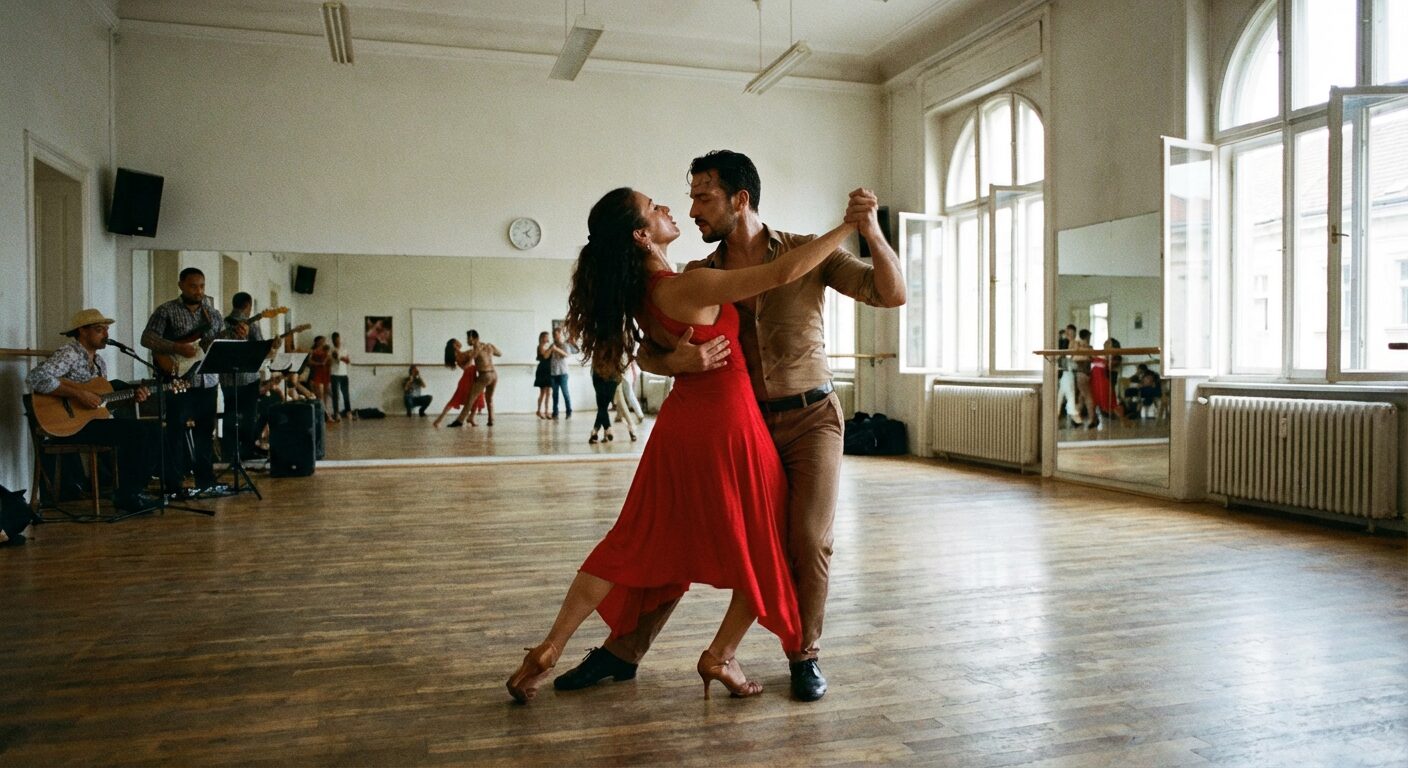 Argentine tango emphasizes improvisation and a very close embrace, while ballroom tango in the international style focuses on clean lines, strong shapes and bold choreography. If you’re drawn to moody music, strong shapes and close connection, tango will feel like home among the types of Latin dances you learn.
Movement and Technique in Latin Dances
Here’s what’ll make you fall head-over-heels for Latin dance: it’s that magical moment when movement and technique come together to create something that’s vibrant, expressive, and absolutely bursting with life. Whether you’re stepping onto the dance floor for your first salsa bachata night or you’re dreaming of competition glory, there’s something about Latin dance styles that’s completely captivating to watch—and trust us, it’s even more thrilling when you’re the one doing the dancing.
At the heart of Latin dancing, you’ll discover this incredible connection to rhythm and timing that’ll have your pulse racing right along with those infectious Latin beats. These dance styles didn’t just appear out of nowhere—they were born in Cuba, Puerto Rico, Argentina, and all across Latin America, built on syncopated rhythms and energetic patterns that demand both precision and passion from you. Every single step, turn, and pause you make is guided by the music’s pulse, making musicality not just a nice-to-have, but absolutely essential to your technique.
Now here’s where things get really exciting—the hip movement that makes Latin dance so iconic. In styles like salsa, cha cha cha, and rumba, your hips don’t just follow your feet around like they’re being polite. Oh no, they lead the way, accentuating every rhythm and adding that layer of sensuality and energy that’s simply impossible to ignore. This signature hip action (we call it “Cuban motion” in the biz) happens when you keep your knees bent and your stance grounded, letting your hips move fluidly with each step you take. It’s this dynamic hip movement that gives Latin dances their unmistakable flair and makes every beat come alive under your feet.
But don’t think it’s all about the hips—there’s so much more for you to explore. Latin dance styles showcase intricate footwork, expressive arm styling, and body isolations that’ll let you tell a story with every single movement you make. Take Argentine tango, for example—the footwork is subtle and precise, with dramatic pauses and that close partner connection creating an intense, emotional atmosphere that’ll give you chills. In cha cha cha, you’ll discover quick, syncopated steps and sharp arm movements that bring out the dance’s playful, flirtatious character that’s just waiting inside you.
When you’re ready to take things up a notch, Latin ballroom dances like paso doble and cha cha cha will challenge you in the most amazing ways, especially if competition is calling your name. Here’s where you’ll focus on clean lines, powerful shapes, and exact timing, all while maintaining that expressive energy that defines Latin ballroom and makes it so special. The result? A performance that’s both technically impressive and emotionally charged—and trust us, there’s nothing quite like that feeling when you nail it.
Benefits of Learning Latin Dances
Learning these styles isn’t just about mastering steps—it’s a fun and rewarding way to boost your physical and mental well-being.
The dynamic movements and lively rhythms help improve your fitness, coordination and balance, making every class feel less like a workout and more like a celebration your body actually craves. As you learn new patterns and routines, you’ll also sharpen your memory and concentration, keeping your mind as active and engaged as your body. Stronger core control, better posture and more expressive hip movements are just a few of the bonuses.
Latin-inspired partner work is also a fantastic way to connect with others in a genuine, joyful way. Social dancing brings people together—whether you’re meeting new friends in a group class, joining a swing dance or East Coast swing night at a studio, or sharing the floor at a party where everyone moves to the same beat.
The supportive, upbeat atmosphere of these dances encourages communication, teamwork and confidence that carries into everyday life. The infectious music and joyful energy are natural mood boosters that help melt away stress and leave you feeling energized and uplifted after every session.
Latin Dance Music and Rhythm
The heartbeat of every style is the music.
The soundtracks used for these dances come from a wide mix of musical genres—Afro-Caribbean rhythms, European harmonies and regional folk melodies. Each style—from the fiery drive of salsa to the dramatic pull of tango—has its own musical personality. Each musical style is both a distinctive musical tradition and a dance form, often reflecting its cultural and historical development.
- Afro-influenced percussion powers crowd favorites like salsa and rumba.
- Romantic guitar patterns and heartfelt lyrics give bachata its smooth, swaying feel.
- Tango’s dramatic melodies and strong, pulsing beat create a completely different atmosphere on the dance floor.
- Lively brass sounds and energetic rhythms define banda music, a genre integral to Mexican celebrations and dance.
Regional folk melodies often inspire traditional dances, such as the Mexican Hat Dance, an iconic representation of Mexican culture and the national dance of Mexico.
As you learn different types of Latin dances, you’re not just memorizing steps—you’re developing musicality. You’ll start to feel where accents fall, how phrases build, and when the music wants you to pause or explode into motion. Resources like Carnegie Hall’s guide to Latin music genres highlight just how diverse these rhythms and styles can be.
Whether you’re swaying to congas or gliding to tango violin, the rhythm is what makes this dancing come alive—and once you feel it, you won’t want to stop.
What to Wear to a Latin Dance Class
Choosing the right outfit for class can be a game-changer for how confident and comfortable you feel on the floor.
For styles like salsa, cha cha and Argentine tango, you’ll want clothing that moves with you and keeps you cool while you’re heating things up.
- For women: Dance pants or leggings, a flowy skirt, or a dress paired with a fitted top that makes you feel fabulous and free to move.
- For men: Lightweight pants and a breathable shirt that looks sharp but doesn’t restrict your movement.
Footwear is especially important. Dancing shoes with a smooth leather or suede sole will let you pivot and glide without sticking to the floor. A small, stable heel can help you feel grounded and balanced in dances like salsa and cha cha, while tango dancers often prefer shoes that allow controlled, smooth movement in both social and ballroom settings.
Skip anything too loose or baggy that could get in the way, and aim for outfits that help you feel confident, supported and ready to move.
 Latin Dance and Social Benefits
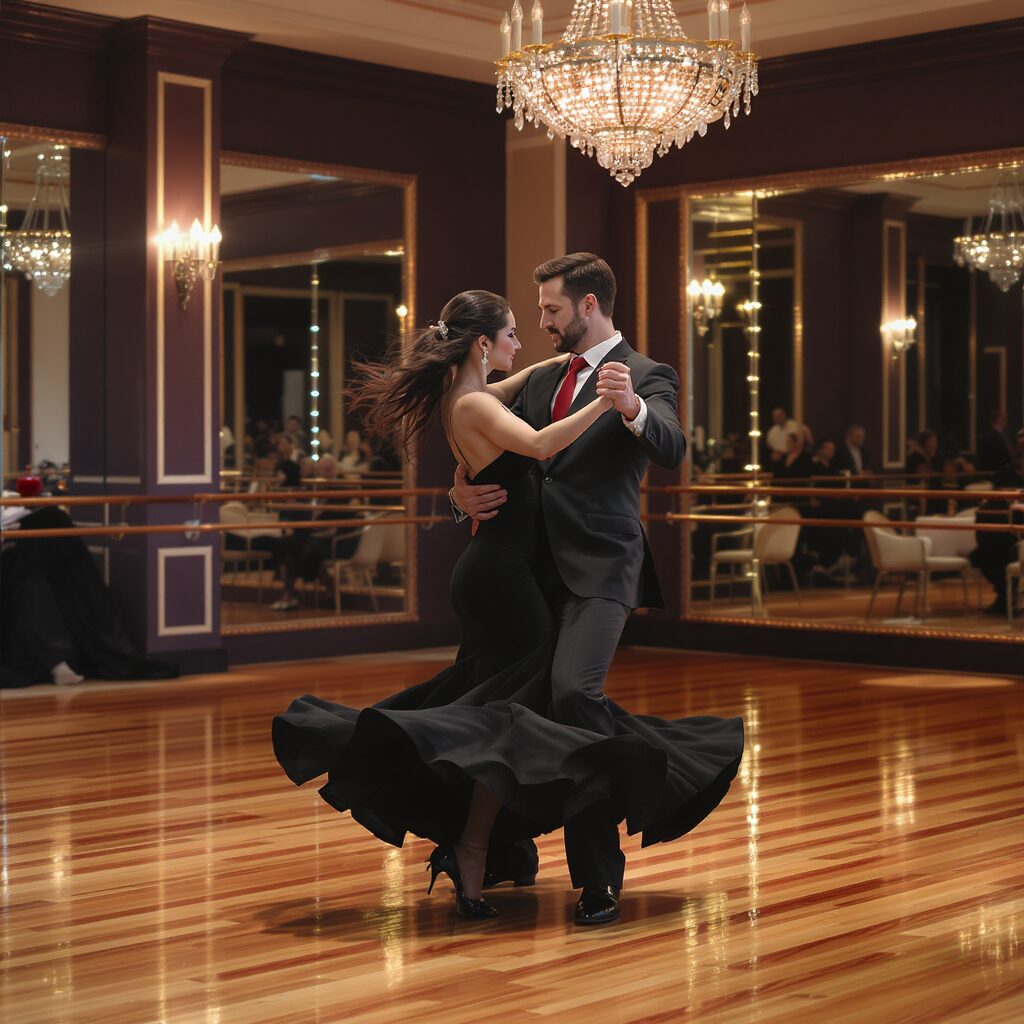
This kind of dancing isn’t just about moving your body—it’s about moving your life.
Social dancing and club nights sit at the heart of this culture, and they’re one of the main reasons people fall in love with these styles and never look back. Whether you’re stepping into your first beginner class, trying a salsa night, or dancing at a local festival, you’ll meet people from every walk of life.
Through partner work, you’re not just learning steps—you’re building real-life skills:
- Communication and leading/following
- Trust and teamwork
- Confidence and presence in social settings
Events and classes create a space where language barriers and cultural differences fade into the background, replaced by the universal language of music and movement. When you step into this world, you’re not just picking up a hobby—you’re joining a vibrant, supportive community that celebrates your progress, your personality and the simple joy of dancing together.
Choosing the Right Type of Latin Dance for You
So with all these types of Latin dances, how do you choose where to start?
Bachata is a popular choice for beginners due to its slower tempo and relatively simple basic step. But each dance style has its own appeal:
- If you want something romantic and close, try bachata.
- If you love sharp rhythms, playful footwork and hip action, cha cha is a great match.
- If you’re all about energy and social fun, start with salsa dancing.
- If you prefer drama and intensity, tango will keep you hooked.
Many dancers enjoy both social styles—like salsa and bachata at parties or clubs—and the more formal ballroom side of International Latin and Standard categories, where they can compete and showcase their skills.
You don’t have to pick just one. Many students begin with a single style and then explore other types of Latin dances as they gain confidence. Over time, each dance you learn will improve your timing, balance, posture and partnering skills across the board.
For a deeper dive into how Latin music shapes these styles, that Carnegie Hall Latin music genres guide is a great way to explore the wider musical world behind your favorite dances.
Learn Different Types of Latin Dances at Fred Astaire
At Fred Astaire Dance Studios, we teach these and many other dance styles in both private lessons and group classes. Our locations play a key role in sharing Latin American dance styles such as salsa, rumba, tango and bachata—vibrant, culturally rich dances rooted in Latin American and Caribbean cultures. Many cities have dedicated Latin dance studios offering classes for dancers of all skill levels.
Whether you’re brand-new or already in love with the music, our certified instructors will help you feel comfortable, confident and ready to shine. You don’t need a partner to start; many students come on their own and meet new friends in class.
Join us for a beginner Latin class, a social party or a private lesson, and experience the rhythm, connection and fun of these dances for yourself.
Ready to try it? Contact your local Fred Astaire Dance Studios and ask about our new student specials—and let’s find the type of Latin dance that fits you best.
You Might Also Like:
How To Find Stress Relief Through Ballroom Dancing: The American Rhythm Edition