

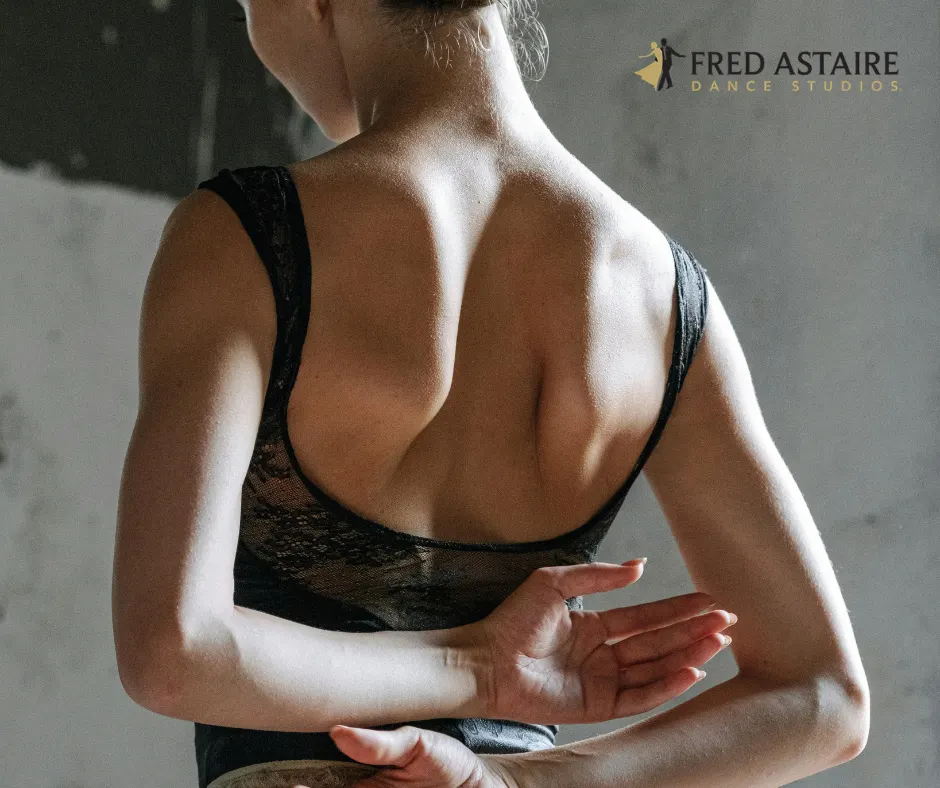
Ballroom dance posture refers to the way you align your body so movement can travel clearly through your feet, legs, torso, arms, and frame. When your alignment is working, you feel more balanced, more comfortable, and it’s usually easier for your partner to connect.
Proper ballroom dance posture does not mean standing stiffly or forcing the shoulders back. It means finding a lifted, supported position that supports you in your dance movements by providing you with better control and increased confidence.
Table of Contents
Why Posture is the Secret Weapon of Ballroom Dancing
Posture is one of the first things people notice on the dance floor, but the real magic is what it does for your dancing. It gives the body a better starting point for balance, timing, movement, and partner connection.
During a ballroom dance lesson, working on posture will usually start with a few simple checks:
Is the head upward?
Are the neck muscles relaxed?
Are the shoulders creeping up?
Is the rib cage lifted without flaring?
Is your body weight ready over the feet instead of sitting back in the heels?
Those small details can make all the difference in how you position and hold your body to perform the dance.
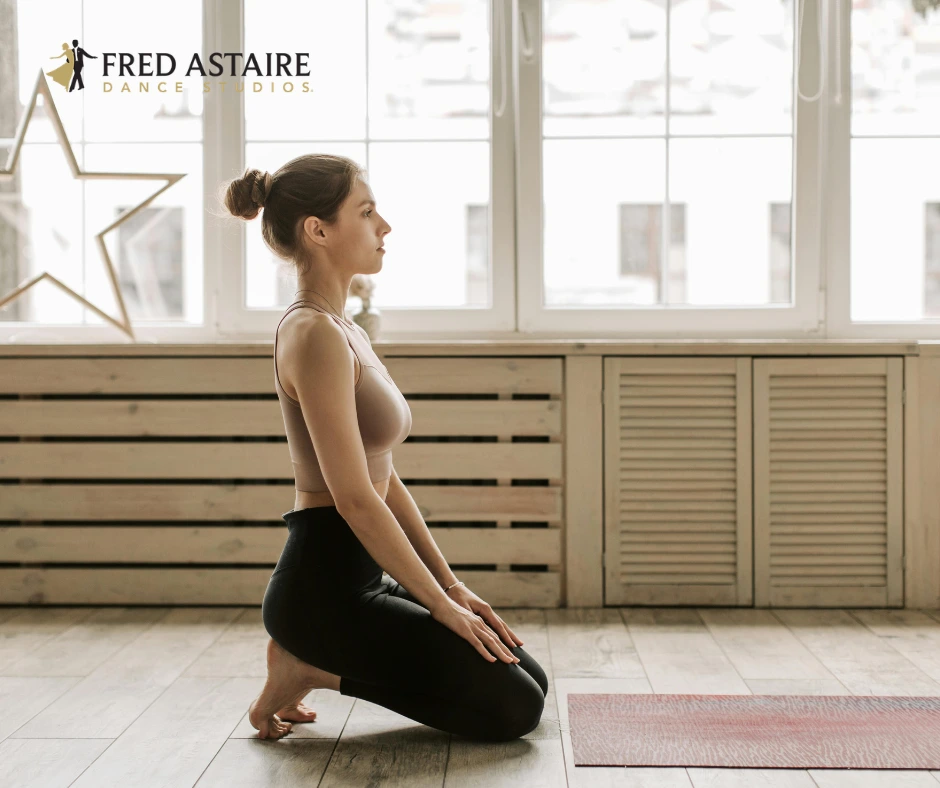
Posture Helps Movement Travel Through the Body
When your body is lifted and aligned, movement travel more cleanly from your feet through your legs, hips, torso, upper body, arms, and frame. Walking steps feel less forced because the body is not collapsing between weight changes.
This is where the idea of effortless movement in dancing starts. The goal is not to hold your body rigid but to create enough support that your body moves freely.
Posture Improves Balance and Control
Good ballroom dance posture gives dancers a steadier center, which makes a difference during turns, pauses, direction changes, and steps that require balance over one foot. When your head, rib cage, and hips stay organized, your body is less likely to tip forward, pull back, or wobble out of the step.
You will feel this difference quickly in traveling dances like Waltz, Foxtrot, and Tango, where balance and body alignment affect every step.
Posture Strengthens Partner Connection
A clear dance frame starts with the body. If your shoulders collapse, arms pull, or chest drops, your partner has to guess what is happening. When you improve your dance posture, your frame feels lighter and more readable. The lead or follow movement naturally moves through the body as a result.
Posture Helps Timing Feel Cleaner
Poor ballroom posture can make a dancer feel as though they’re arriving llate to the music because the body has to work harder before every step. When body weight is ready over the feet, movement happen sooner and with less strain.
In smooth dances like Foxtrot and Waltz, and other faster rhythm dances, this makes a difference when your feet need to respond quickly to the music.
Posture Makes Dancing More Comfortable
Correct posture should not hurt your body. It should feel supported, lifted, and active. When your shoulder blades settle, spine lengthens, core engagement is steady, and body weight is placed properly, a dancer will move more comfortably.
How Frame and Posture Affect Partner Connection
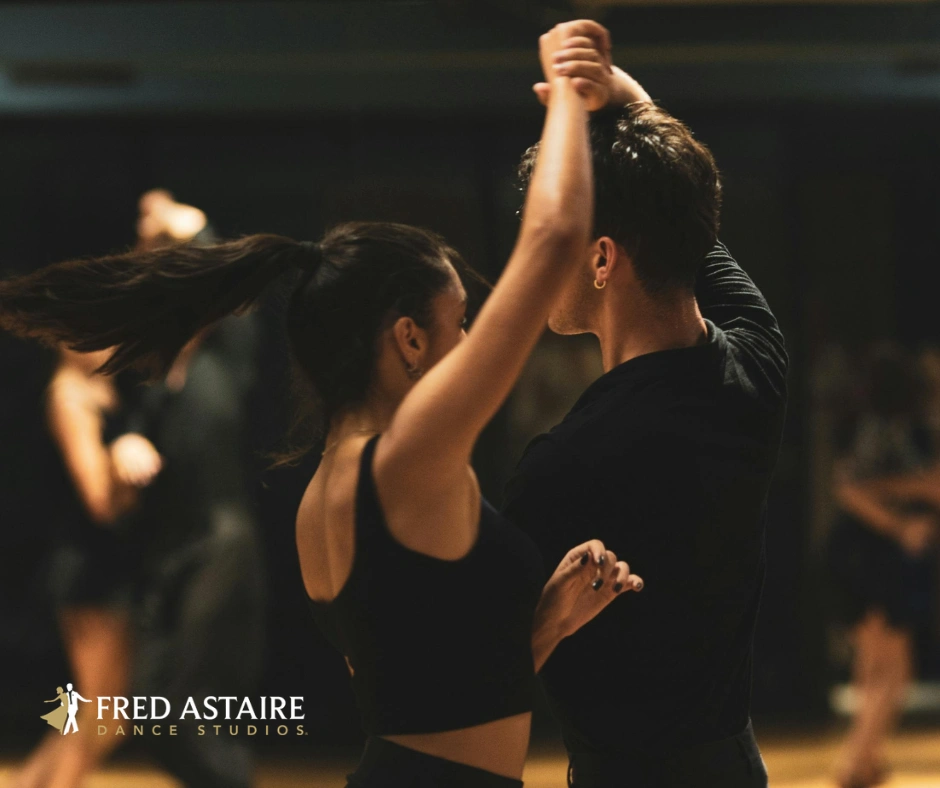
When working with a partner, whether it’s for a couple’s dance lesson or to prepare for a competition, frame is important.
Your frame refers to the shape and tone dancers hold through their arms, shoulders, upper back, and torso while connected to a partner. When posture is lifted, steady, and supported, the frame gives both dancers a clearer way to feel direction, timing, and weight changes before a step occurs.
Frame Helps Partners Feel Direction
A clear ballroom dance frame helps direction travel through your body, not just through your hands. Small shifts in body weight tell your dance partner when to move forward, back, side, or into a turn. A good frame does not push; it gives information.
Frame Keeps Each Dancer Balanced
Every ballroom dancer should hold their own balance instead of leaning, pulling, or hanging on their partner. This keeps both people comfortable and controlled, especially during instances of turns or sections where you pause.
A follower should not feel like dead weight in their partner’s arms, and a leader should not feel like they have to drag a partner through each step. Both dancers should feel perfectly balanced over their own feet.
Frame Uses the Back, Not Just the Arms
A strong frame starts in the upper back. Shoulders should stay relaxed while the back supports the arms.
In a ballroom dance hold, this means that:
- The left elbow stays lifted without locking
- The left wrist and left hand keep shape without gripping.
- The right arm connects through the back instead of hanging from the shoulder.
Frame Makes Weight Changes Easier to Read
In partner dancing, changes in where you shift your weight impact the connection and communication between the two of you. When posture is clear, a partner can feel direction, timing, and rotation sooner. For example, a shift onto the left foot or right foot should be readable through the body. When your frame collapses, that information gets difficult for your partner to read.
Frame Gives the Couple Better Shape
In dances like Waltz, Foxtrot, and Tango, where partners travel across the floor together, the frame has a specific shape. The follower will work through the left side while staying slightly left in the dance hold. This creates room for both partners to move, rotate, and travel comfortably and naturally.
3 Daily Exercises to Improve Posture at Home
Book on the Head Walk
Place a light book on your head and walk slowly across the room. Be sure you keep your neck long, head lifted, and spine straight.
If the book begins to slide, check what changed in how you were holding your body.
For example, ask:
Did your chin drop?
Did one shoulder lift?
Did your hips shift to one side?

Paying close attention to what moves made the book fall will help inform what changes you should make to your stance and walk. Performing this exercise each day at home will help build body awareness and encourage graceful movement without overthinking every step.
Shoulder Blade Reset
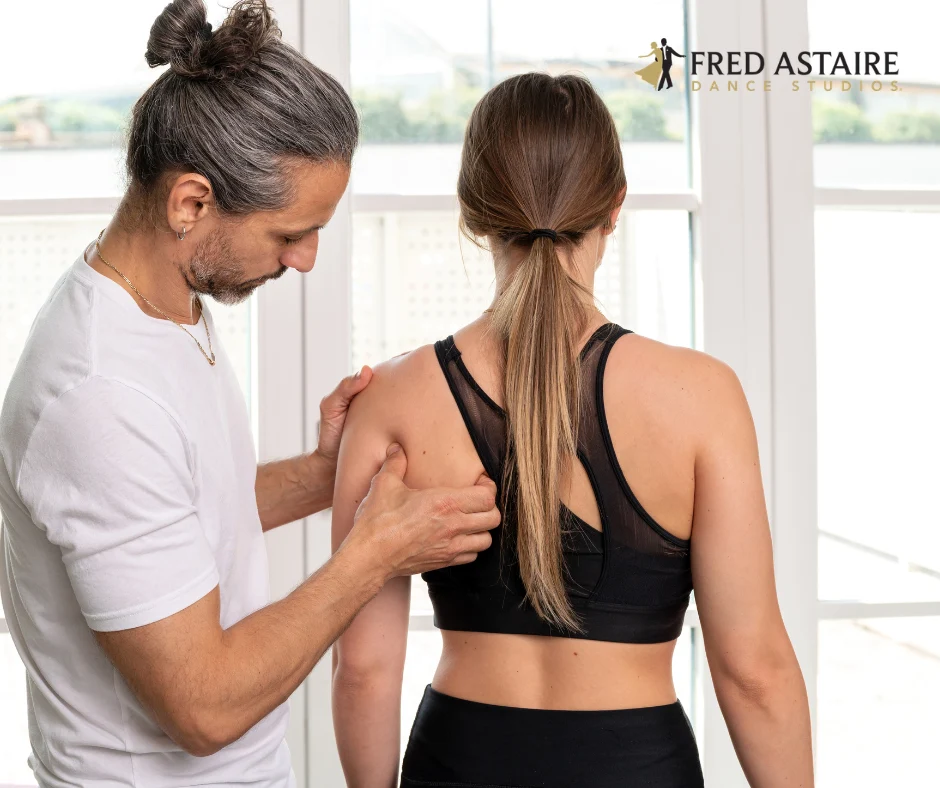
Stand tall with your arms relaxed. Gently draw your shoulder blades slightly together and down the upper back. Hold for a few seconds, then release. Keep the movement small. The goal is not to pinch your shoulders, but perform a very willful, controlled movement. You are waking up your upper back muscles to help contribute toward a stronger frame.
Balance Shift Challenge
Start by standing with your feet hip-width apart, and then slowly shift your weight onto your left foot without leaning your upper body to the side. Maintain a lifted head, keep your spine tall, and make sure your hips are evenly aligned. Let your right foot stay lightly on the floor like a kickstand.
Once you feel steady, lift your right foot just an inch off the floor and hold for a few seconds. Lower it, reset, and repeat on the other side.
This exercise helps ballroom dancers feel when their head, ribs, hips, or feet drift out of line.
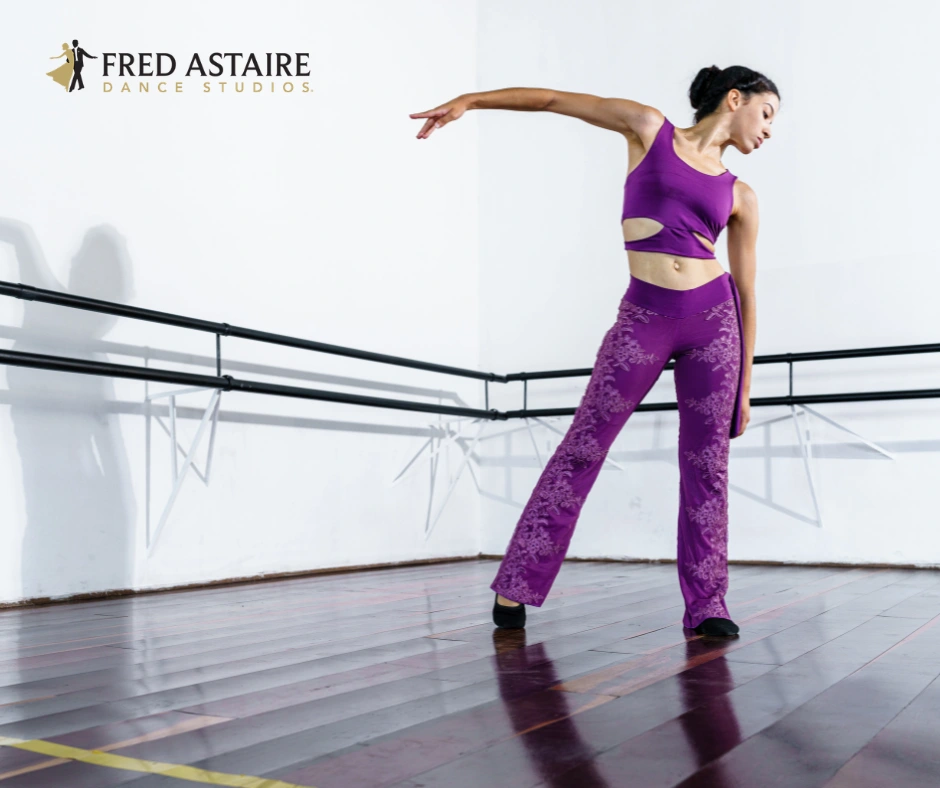
Standard vs International Latin Dance Posture
Posture changes when you change the style of dance you are performing. The body still needs lift, balance, and control, but the shape is not exactly the same when dancing Standard vs International Latin style dance.
Standard Ballroom Dance Posture
In standard dances like Waltz, Foxtrot, and Tango, dancers use a lifted and vertical posture:
The frame stays connected
The upper body remains steady
Both partners work within a shared dance hold
The goal is to keep your body tall and ready for smooth movement across the dance floor.
International Latin Dance Posture
In International Latin dances like Cha Cha and Rumba, the posture is still lifted, but the body works in another style of movement:
The hips settle more clearly
The knees and feet stay active
Weight shifts sharply between the left foot and right foot
The connection may be open, one-handed, or changing throughout the dance. Even when the frame is smaller, the body still needs core engagement, balance, and control.
Improve Your Ballroom Dance Posture at Fred Astaire Dance Studio of Raleigh
At Fred Astaire Dance Studio of Raleigh, our instructors help ballroom dancers improve posture, strengthen their dance frame, and feel more balanced across different dance styles. Small corrections to the head, rib cage, shoulder blades, arms, hips, or feet can make dancing feel more natural.
Take the next step with our new student introductory offer — 2 lessons for just $59 — and start building more confidence, poise, and control on the dance floor.
Get started now by calling 919-872-0111 or filling out the form below.