

Mental Health Benefits Of Dance: 6 Unbelievable Benefits of Ballroom Dancing
When life gets busy and the stressors of daily routines start piling up, finding ways to protect our mental health becomes crucial. One of the most enjoyable and effective methods for doing that is dancing—especially ballroom. The mental health benefits of dance go far beyond entertainment. As a form of physical activity, creative expression, and social connection, ballroom dancing offers powerful mental health benefits and health benefits that can help you unleash positivity, support your physical health, and elevate your overall well-being.
Researchers have looked at the mental health benefits of dance in many different styles, from ballroom to modern dance and even conscious dance experiences. Across this broad range of styles, the benefits of dance consistently include better mood, improved self esteem, and stronger social benefits. In other words, you’re not just learning steps—you’re caring for your mind and body at the same time.
The Stress-Relief Dance: Lowering Cortisol Levels
Leave Your Worries Behind While You Dance
In the fast-paced world we live in, stress can quickly become overwhelming. Ballroom dance offers an escape from the chaos of daily life. When you arrive for dance classes and start moving with the music, you set your phone aside, leave your daily concerns behind, and immerse yourself in rhythm and connection. This kind of physical activity can lower cortisol, the stress hormone, and trigger the release of endorphins, the body’s natural mood lifters. Dancing releases endorphins that help combat symptoms of depression and anxiety, making it a powerful tool for emotional well-being and psychological health.
The movement itself acts like a gentle form of aerobic activity. It helps release built-up tension in the muscles, leading to a sense of relaxation and easing many of the physical symptoms of stress, such as tight shoulders or headaches. The act of moving to music can also serve as a form of mindfulness, where you focus on the present moment and let go of repetitive negative thoughts about the past or future. As you twirl and glide through the routine, worries gradually fade into the background, leaving you feeling lighter and more at peace. 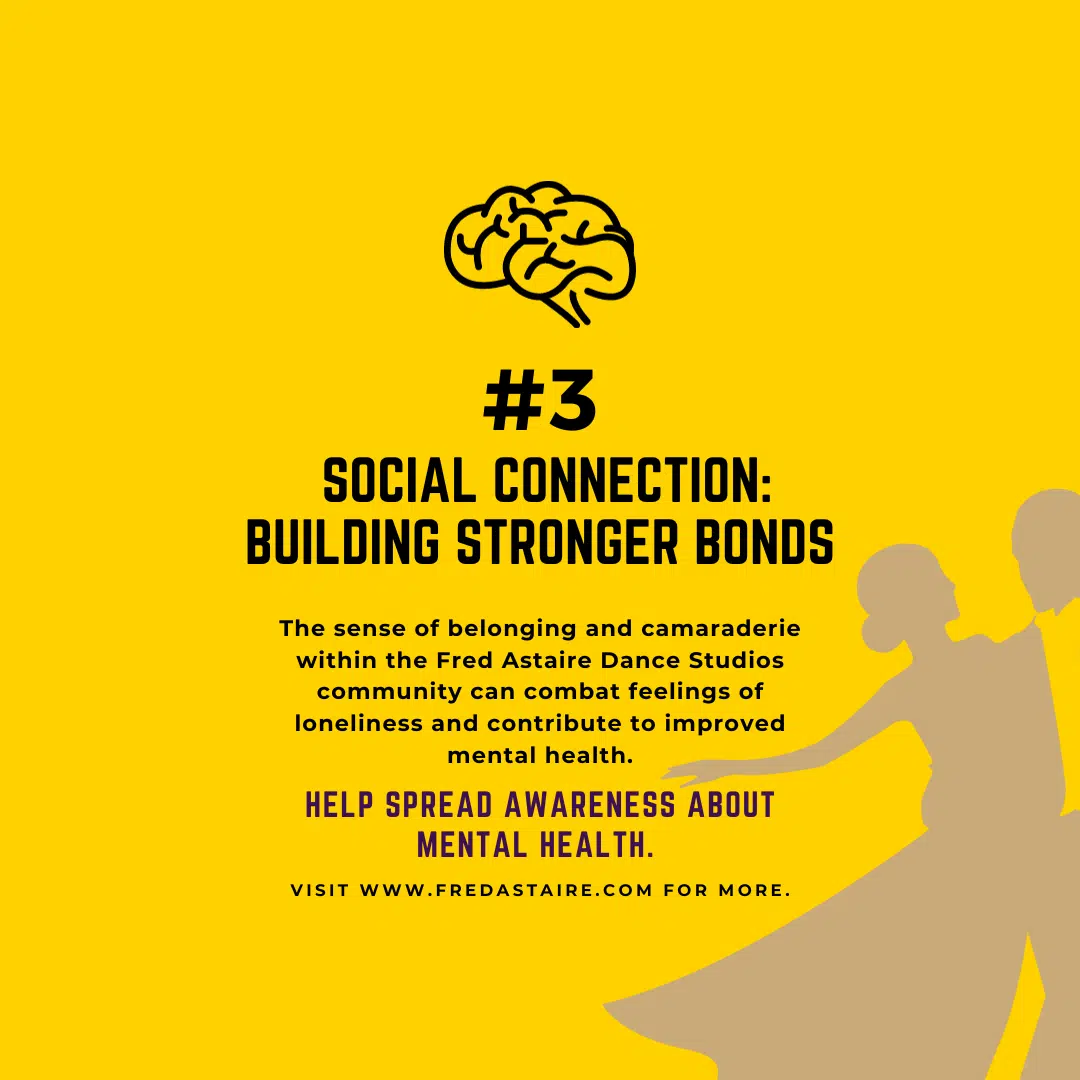
Building Confidence Through Dance: Mastering Self-Assuredness
Strut with Self-Esteem at Fred Astaire
Ballroom dancing encourages self-expression and self-assuredness. Learning new steps and mastering them provides a sense of achievement, boosting your self esteem and self-confidence. As you progress in your dance journey at Fred Astaire Dance Studios, you’ll find yourself walking taller and carrying that confidence into other areas of your life. Dancing with grace and precision can empower you to take on challenges with a newfound belief in your abilities. It’s not just about dancing; it’s about personal growth and the development of unwavering self-assuredness.
The supportive and nurturing environment in our classes fosters a sense of belonging and encourages you to push your boundaries. As you witness your own progress—from your first hesitant steps to more polished routines—your self-assuredness blossoms. You start to realize that the discipline and focus you apply in class can improve self esteem and self efficacy in everyday life as well. This new self-belief becomes a valuable asset, helping you tackle challenges with resilience and optimism.
Connecting Through Dance: The Social Network
Strengthening Bonds with Fellow Dancers
In an era where social isolation is a growing concern, ballroom dance offers a unique opportunity for meaningful social interaction. Dancing with a partner fosters teamwork and communication, helping you build stronger bonds with fellow dancers. The sense of belonging and camaraderie within the Fred Astaire community can combat feelings of loneliness and contribute to better mental wellbeing.
Many studies describe dance interventions used in group settings as effective complementary therapies for mood and anxiety. One UCLA Health study on conscious dance found that regular dancing led to significant improvements in mood, social interaction, and executive function in older adults dealing with depression, anxiety or past trauma. In clinical practice, therapists sometimes recommend dance as a way to reduce psychological distress and support recovery from challenges such as substance abuse.
The social aspect of ballroom extends beyond the classroom. Students often participate in parties, showcases, and special events where they meet like-minded people who share their love of dance. These connections can grow into lasting friendships and a sense of belonging to a larger community. Moving together creates a special bond that goes deeper than words, offering emotional support that’s essential for overall mental health.
Dance for Your Brain: Cognitive Benefits
Enhancing Memory and Concentration
Ballroom is not just a fun physical activity; it’s a mental workout too. Learning choreography, remembering steps, and staying in sync with your partner engage your brain in a delightful way. These cognitive challenges can help improve memory, concentration, and coordination, which are essential for maintaining mental sharpness as you age. Dancing stimulates various regions of your brain, enhancing brain function and executive function. A Harvard Medical School article on “Dancing and the Brain” notes that in a landmark study, dance was the only leisure activity that significantly lowered the risk of dementia.
Scientists who study human behavior have compared dance to other activities such as reading or playing a video game. They’ve found that dance engages a broad range of mental processes at once—planning, decision-making, and body awareness—creating powerful mental benefits. Learning new patterns also sharpens the brain’s ability to remember details and switch tasks, which may help protect against dementia over time.
All of these mental benefits add up to big health benefits for your mind. By challenging your memory and focus in a fun, low-pressure way, dance supports your overall psychological health and keeps your brain feeling young and engaged.
Emotions in Motion: Dance as Emotional Expression
Painting Emotions Through Movement
Sometimes it’s challenging to put emotions into words. Ballroom dancing provides a creative outlet for emotional expression. Whether you’re feeling joyful, melancholic, or passionate, class becomes a canvas where you can “paint” your feelings through movement. This release can be therapeutic and help you gain a better understanding of your emotions.
In fact, dance has been used as part of dance interventions for people coping with trauma, high blood pressure, or the after-effects of injury. Some research has shown that moving to music can raise your pain threshold, reduce physical symptoms of stress, and encourage significant improvements in mood. It’s a chance to connect with your inner self and express your emotions in a healthy, constructive way.
Dancing with a partner can also strengthen emotional connections. You learn to communicate non-verbally, interpreting each other’s movements and energy. This form of emotional intimacy can deepen your relationships and enhance your ability to connect with others on a profound level—another one of the powerful mental health benefits of dance.
 Mindfulness in Motion: Finding Serenity While You Move

Dancing requires you to be fully present in the moment. You focus on the music, your partner, and the steps, which naturally leads to a state of mindfulness. This mental presence can be deeply relaxing and provides a welcome break from the constant stream of thoughts that often contribute to anxiety and stress. In essence, ballroom offers a kind of moving meditation that supports mental health, physical activity, and social benefits all at once.
As you continue to attend classes, you may notice improve balance, better posture, and easier breathing. Regular dancing can support physical health by helping to manage cardiovascular disease risk factors, reducing high blood pressure, and encouraging gentle aerobic activity that feels joyful instead of forced. Many dancers report fewer aches and pains and a general sense of well-being after they make dance a regular part of their lives.
Dance Your Way to Better Mental Health
In the hustle and bustle of modern life, it’s easy to neglect our mental well-being. However, ballroom dancing—with its stress-reduction abilities, confidence-boosting qualities, and opportunities for connection—offers a fun pathway to better mental health. A growing body of research on professional dancers and beginners alike shows that regular dancing can bring significant improvements in mood, self esteem, and overall mental wellbeing.
One long-term study found that people who engaged in regular dance had lower rates of cardiovascular disease and reported fewer physical symptoms of stress than those who relied only on sedentary hobbies. Together with other healthy habits and medical care when needed, dance can be one of the most enjoyable complementary therapies you add to your routine.
So, if you’re seeking a way to unleash positivity and support your mental health, consider stepping into a class at Fred Astaire Dance Studios. It’s not just about learning to dance; it’s about nurturing your mind, boosting your self esteem, and finding mental health benefits in every step.
In conclusion, ballroom dancing is not just an art form; it’s a gentle therapy for the soul and body. By taking up classes at Fred Astaire Dance Studios, you can experience these six remarkable mental health benefits of dance and embark on a journey to a happier, healthier you. It’s time to let the music play, move your body, and discover how powerful the benefits of dance can be for both your mental and physical health.
You might also like:
Mental Health Awareness & 14 Amazing Mental Health Benefits of Dancing
Is Ballroom Dancing Good Exercise? 7 Powerful Ways It Supplements Your Workout