

Why Do You Like To Dance? 7 Surprising Reasons Your Brain Loves to Move
When life gets busy, it’s easy to forget to ask yourself a simple question: why do people like dancing so much? You know it feels good. You know you walk out of the studio feeling a sense of happiness, happier than when you walked in. But what is it, exactly, that makes moving to music feel so satisfying?
There are many reasons people like to dance, including emotional expression, social connection, and physical well-being.
At Fred Astaire Dance Studios, we could happily say, “Because it’s fun, it’s social, it builds confidence and it’s incredibly good for you.” All true. But there’s also a deeper story happening in your brain, your body, and your emotions every time you step on the dance floor, which includes key reasons why dance is beneficial. People of all ages enjoy dancing, making it a universally appealing activity. Our bodies are central to dance, serving as powerful tools for physical expression and communication, allowing us to connect emotionally and artistically with others. Dancing also activates the brains reward centers, which contributes to the pleasure and satisfaction people feel when they move to music.
Below, we’ll explore seven delightful, science-inspired reasons why rhythm in dancing feels so good—and why ballroom dancing, in particular, checks every box.
Dance Reason #1: Your Brain Lights Up Like a Disco Ball
Researchers have found that when you watch or perform dance, multiple areas of your brain switch on at once—motor control, memory, emotion, and reward centers all join the party. In particular, motor areas and motor regions of the brain are especially engaged during dance, supporting coordination and movement. Dance engages both the ear and the body, enhancing the sensory experience by combining auditory and motor input. The cerebellum, which is involved in the coordination and timing of movement, is also activated by music, further enhancing the experience.
Your brain doesn’t just see movement; it simulates it. Specialized “mirror” systems—known scientifically as mirror neurons—help you internally copy what you see on the floor by firing both when you perform an action and when you observe someone else doing it. Observing a dancer or performing certain movements can activate similar motor regions and reward related areas in the brain, making the experience more immersive and pleasurable. Studies have shown that observing and performing dance activates similar brain regions, especially in professional dancers, highlighting the link between perception and action. That’s why you find yourself tapping your foot, swaying in your seat, or mentally joining in when you watch other dancers. Music stimulates pleasure and reward areas in the brain, such as the orbitofrontal cortex and the ventral striatum, enhancing the joy of dancing. A Scientific American article on why we like to dance explains that synchronizing music and movement may create a “pleasure double play” in the brain, activating reward centers while your body moves to the beat.
So when you dance, you’re not only exercising your body—you’re giving your brain a full-blown light show. Professional dancers brains show heightened activation in these areas when watching or performing dance, reflecting their advanced skill and coordination. No wonder it feels so addictive.
Many things, such as music, movement, and observation, can stimulate these reward related areas, making dance especially pleasurable.
Dance Reason #2: Moving to Music Feels Physically Amazing
From the first step of a waltz to the last beat of a cha cha, dancing is a beautiful blend of aerobic exercise, strength work and coordination training. The rhythmic movement involved in dance plays a fundamental role in making it physically enjoyable and engaging. Dance can be challenging, pushing both your physical and mental limits as you learn new moves and routines. Your heart rate rises, your muscles activate, and your posture lifts. Dancing can also help with weight loss and body toning by working multiple muscle groups.
As your body works, it releases endorphins—those natural feel-good chemicals that act as built-in mood boosters and pain relievers. You quite literally get a natural high from moving to music, and people get a pretty big kick out of moving in sync with the beat. Over time, this regular physical activity supports better sleep, improved energy, and overall health.
So yes, you like to dance because it’s fun. But your body also likes to dance because it’s getting a surprisingly effective workout in disguise.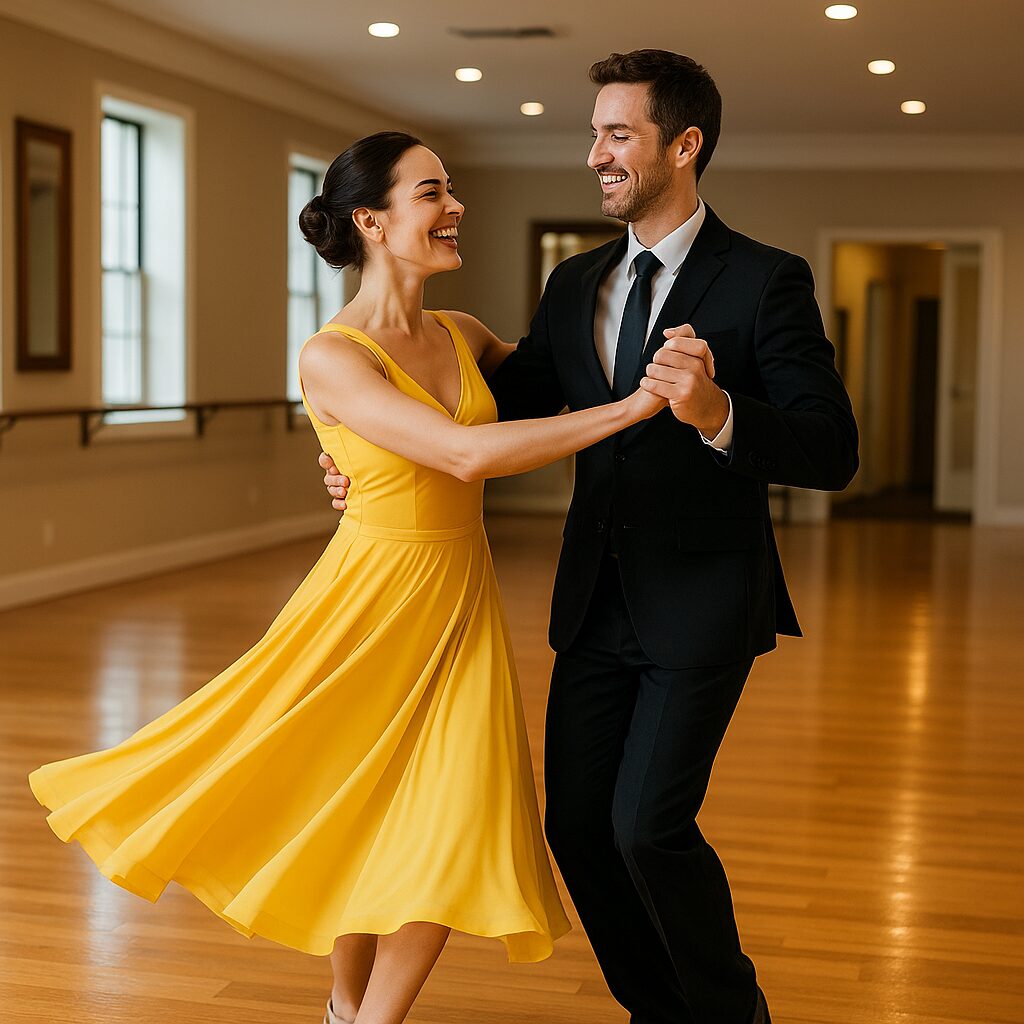
Dance Reason #3: Dance Is Social Glue
Humans are wired for connection, and dancing is one of the oldest social activities we share. As a social activity, dance brings people together and strengthens social bonds, fostering friendship, family bonding, and community engagement. Partner dancing, especially ballroom, gives you a fun way to engage in a safe, structured interaction with others—no small talk required. The interactive nature of dance improves social competence and communication skills, helping to overcome social anxiety.
You learn to communicate through subtle cues: a change of weight, a shift in frame, a gentle lead and follow. That teamwork creates trust and a sense of “we’re in this together,” whether you’re learning your first box step or performing a full routine. Dancers become attuned to others bodies, responding to their partners’ movement skills and creating a deeper sense of connection. Dance can also create a sense of connection and intimacy between partners, making it a unique form of communication. Dancing together in a group or with a partner can also promote the release of oxytocin, a hormone that strengthens social bonds and increases feelings of closeness and trust.
In an increasingly digital world, this face-to-face, hand-to-hand interaction is rare—and your brain treasures it. The result? You leave class feeling less isolated and more connected, even on the days when words are hard to find.
Dance Reason #4: You Get to Tell Your Story Without Words
Sometimes emotions don’t fit neatly into sentences. Dance gives you a way to express feelings through movement instead of language, allowing for expressing emotions that might be difficult to put into words. Emotions can be powerfully expressed through dance, allowing you to communicate what words cannot. It can also be a cathartic way to release and process emotions, offering an outlet for joy, sadness, and frustration. For example, when you feel sad, dancing can help you express and work through those feelings.
A dramatic tango lets you pour out intensity and passion. A smooth foxtrot lets you glide through elegance and ease. A playful salsa gives you permission to be bold, flirty, or carefree for a few songs.
When you dance, you’re not just “doing steps.” You’re telling tiny stories with your body—about how you feel, who you are, or who you’d like to be for three minutes. That emotional release is incredibly healthy and often deeply healing. Throughout history, people have danced to communicate emotions and connect with others, making dance a timeless form of expressive experience.
Dance Reason #5: Dancing Builds Confidence From the Inside Out
Every time you learn a new pattern, nail a turn, or survive your first social dance party, you quietly send yourself a powerful message: I can do hard things. Mastering dance moves not only helps you progress in dancing but also gives you a sense of accomplishment and boosts your confidence. The need to remember choreography and sequences in dancing also boosts memory, keeping your mind sharp and engaged.
That sense of achievement doesn’t stay on the dance floor. The confidence you build in lessons and classes spills into other areas of life—how you walk into a room, how you handle stress, even how you relate to other people.
Ballroom dancing in particular encourages good posture, poise and presence. You literally stand taller. Over time, many students notice they feel more self-assured at work, in relationships, and in everyday life… because they’ve practiced feeling that way while they dance.
The Secret Perks of Taking Dance Classes
If you love dancing, there’s nothing quite like stepping into a dance studio and letting the music sweep you off your feet. Dance classes aren’t just about learning fancy footwork—they’re your gateway to a whole world of benefits, including the chance to make new friends, that’ll transform your life in ways you never saw coming.
For so many folks, joining a dance class is the perfect recipe for staying active while meeting amazing people who share your passion for movement. There are many different types of dance styles to explore, from the sultry rhythms of Latin dances like Cha Cha and Rumba, the elegant grace of American Smooth styles like Waltz and Foxtrot, to the energetic beats of Swing, Mambo, and even hip hop. With so many dance styles available, there’s a dance style that’ll make your heart sing at any age. Professional dancers will tell you their success story started right here—in those beginner classes where they learned to master their frame, developed their lead and follow skills, and built the confidence to truly shine on stage. In fact, many people started dancing in beginner classes just like these.
But here’s where it gets really exciting—the perks don’t stop at getting your body moving. When you listen and hear music and start dancing, your brain absolutely lights up. The musical beat activates the same regions that fire when you watch other dancers, flooding your brain’s reward centers and making you feel happy, energized, and completely alive. It’s no wonder so many students tell us that dancing brings them a joy and spark they didn’t even know they were missing.
Dance classes are also your playground for self-expression. Through choreography and partner connection, you get to tell your story, share what’s in your heart, and connect with others—often without saying a single word. Social dancing, especially, is pure magic for making genuine friendships and finding your tribe. The studio becomes your sanctuary where you can forget life’s stress, challenge yourself, and celebrate every small victory with people who get just how amazing this journey feels. Over time, a strong sense of community develops among dancers, creating a supportive environment where everyone feels like they belong.
On top of all that, exercise through dancing makes you feel absolutely incredible—body, mind, and soul. The physical movement helps you stay strong, improve your flexibility, and boost your mood naturally, while the creative expression and social connection melt away stress and help you manage whatever life throws at you. If you’re ever feeling down or overwhelmed, a dance class can be the perfect pick-me-up, offering freedom, fun, and a completely fresh perspective on what your body can do.
No matter your age, experience level, or whether you think you’ve got “two left feet,” there’s a dance class waiting for you. With so many different styles of lessons available—at local studios or even online where you can learn at your own pace and watch videos to pick up new moves and get inspired—it’s easier than ever to take that first step. So why not give it a shot? You might just discover that dancing makes you feel happier, more confident, and more connected than you ever imagined possible. And that’s a pretty incredible transformation for anyone’s life.
Dance Reason #6: Rhythm May Be Part of Our Evolution
Anthropologists and psychologists have suggested that humans may have developed dance as an evolutionary advantage. A LiveScience overview on why humans dance notes that prehistoric communities may have used dance to bond and communicate during hard times, giving rhythmic, coordinated movers a social edge. Synchronized group dancing can increase feelings of closeness and trust by promoting the release of oxytocin, further strengthening social bonds. Moving together in rhythm through coordinated movements helps groups bond, coordinate, and communicate, which would have been incredibly useful long before we had smartphones, microphones, or microphones. Different forms of dance, including martial art traditions like Capoeira—a Brazilian folk art that combines dance, music, and martial arts—have played a significant role in human culture.
From ancient ceremonies to modern weddings, dance has always shown up at important moments—births, victories, harvests, and celebrations. In many cultures, dance has often been used as a ritual to mark significant events. For example, performances like the Black Lives Matter dance tributes or Capoeira demonstrations commemorate people’s lives and highlight social issues through movement. These dances are often created to provoke thought or challenge societal boundaries, sparking discussion and reflection. When you dance at a studio party or out with friends, you’re tapping into a very old, very human tradition, and a single moment on the dance floor can foster happiness and create lasting memories.
That might be one reason “why you like to dance” is such a tricky question to answer. Part of the truth is simply: because you’re human, and humans were made to move together.
Dance Reason #7: Ballroom Dance Brings All the Benefits Together
There are many ways to move your body, but ballroom dancing uniquely blends:
- Physical fitness and coordination
- Mental challenge and memory work
- Social interaction and teamwork
- Emotional expression and creativity
- Confidence, joy and a sense of accomplishment
At Fred Astaire Dance Studios, we see this mix in action every day. One student may come in for stress relief, another for a wedding dance, another just because they “always wanted to try it.” A few weeks later, they’re all discovering the same thing: they feel happier, more confident, more connected… and they can’t quite imagine life without dancing. Each person finds their own unique meaning and fulfillment through dance, making the experience deeply personal and rewarding.
So… Why Do You Like to Dance?
Maybe you love the music. Maybe you love the way your worries fall away when you’re focused on the beat. Maybe it’s a favorite song that inspires you to move and express emotions you can’t put into words. Maybe you’re secretly obsessed with twirling in a beautiful ballroom.
Whatever your personal reason, the deeper truth is this: your brain, body, and heart are all cheering you on every time you step onto the dance floor. Dancing isn’t just a hobby you picked up; it’s a joyful way to take care of yourself—physically, mentally, socially, and emotionally. The thrill and excitement of dancing can feel like riding a roller coaster, with every step and spin lighting up your brain’s reward centers.
If you’re ready to explore why you like to dance a little more, we’d love to help you do it. There’s also a special joy in watching others dance—their movements and emotions can be as moving and inspiring as dancing yourself.
Join us for a private lesson, a beginner group class, or a social dance party at your local Fred Astaire Dance Studios. You’ll discover new steps, meet new people, and maybe answer the question for yourself:
Why do people dance? For self-expression, connection, joy, and the simple pleasure of moving to music.
Because it might just be one of the happiest, healthiest choices you ever make.
If you enjoyed this article, share it with a friend who might love learning to dance too!
You Might Also Like:
From Boys to Gentlemen: A Ten-Step Guide to Building Character Through Ballroom Dancing
Fred Astaire’s Fountain of Youth: 10 Secrets For Active Aging Through Ballroom Dance – Part One