

Ballroom dance refers to a collection of partner styles performed in a formal, elegant way. These styles are typically characterized by smooth movements, upright posture, and graceful transitions across the floor. Popular ballroom styles include Waltz, Foxtrot, and Tango. Each dance emphasizes connection between partners, flowing steps, and controlled technique.
Ballroom dance is often associated with classic settings and structured routines, making it ideal for those who enjoy refinement and tradition. Whether for social settings or competition, this form of dance highlights poise and coordination.
What Is Latin Dance?
Latin dance is vibrant, energetic, and expressive. It includes styles like Cha-Cha, Rumba, Samba, and Jive. Unlike ballroom dance, Latin dance focuses more on rhythm, hip movement, and individual expression. Latin dance allows for more freedom and personality, making it appealing to those who enjoy lively music and bold movement.
Dance Differences: Style, Rhythm, and Movement
The biggest difference between ballroom dance and Latin dance lies in their overall style and execution. Ballroom dance is smooth and continuous, with partners gliding across the floor. Latin dance, on the other hand, is more grounded, with quick steps and pronounced hip action.
From here, the contrast becomes even clearer. Ballroom styles typically travel across the floor with long, sweeping patterns, while Latin styles stay more in place with sharper, rhythmic footwork. Timing, energy, and presentation all shift depending on which direction you choose to pursue.
Techniques and Posture
In ballroom styles, posture is upright and structured. Partners maintain a closed hold, creating a frame that guides movement across the floor. This technique emphasizes elegance and control, which are essential for mastering the style.
Latin styles use a more relaxed frame, allowing for open positions and expressive arm movements. The technique focuses on body isolation, particularly in the hips and torso, creating a bold and recognizable look.
Music and Atmosphere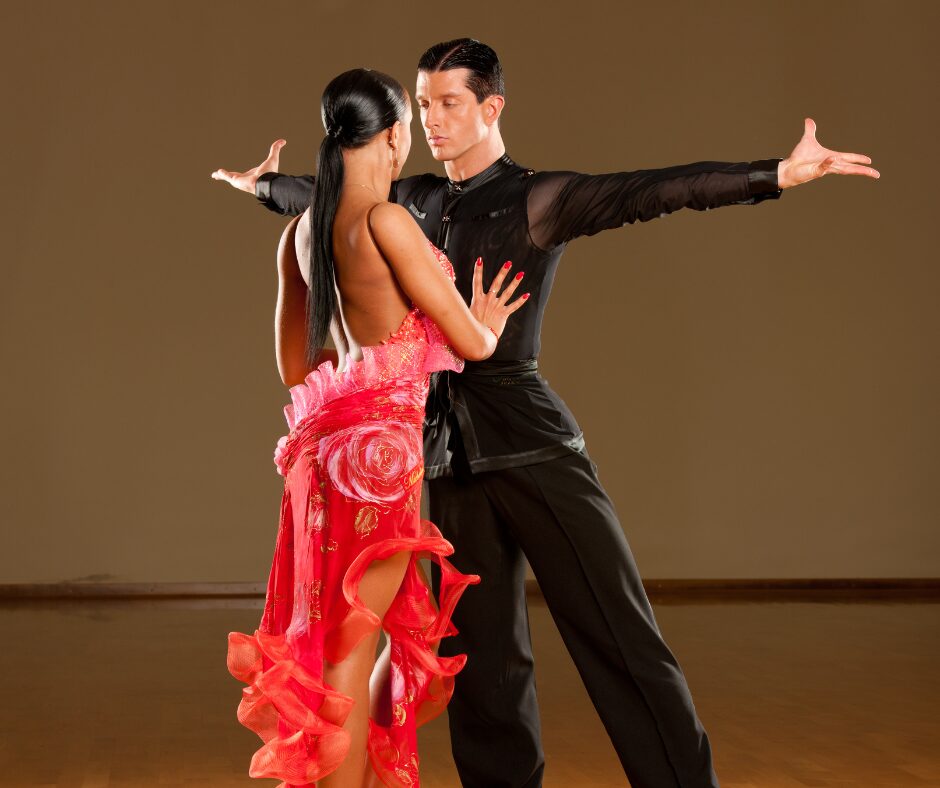
Music plays a huge role in shaping the feel of each style. Ballroom is typically paired with orchestral or classic tracks, creating a sophisticated atmosphere. Latin styles use upbeat, rhythmic music with strong percussion, adding energy and excitement.
This difference in music influences how partners move and connect. One approach feels smooth and flowing, while the other feels sharp, playful, and dynamic.
Benefits for Beginners
Both styles offer incredible benefits for beginners. Ballroom helps improve posture, balance, and coordination, making it perfect for those who prefer a structured learning environment.
Latin styles, meanwhile, boost energy levels, flexibility, and confidence. Their lively nature makes them an enjoyable way to stay active and social. No matter which direction you choose, you’ll gain valuable skills and have a great time.
Which Style Is Right for You?
Choosing between these two approaches depends on your personality and goals. If you enjoy elegance, tradition, and smooth movement, ballroom may be the better fit. If you prefer energy, rhythm, and expressive movement, Latin styles might suit you more.
The best way to decide is to try both. Many people find they enjoy elements of each, making their journey more exciting and well-rounded.
Your Next Step
Both options offer unique experiences that cater to different preferences. Whether you’re drawn to graceful movement or bold expression, there’s no wrong choice. Each path provides an opportunity to learn, grow, and connect with others.
Ready to get started? Contact Fred Astaire Dance Studio of Glenn Heights today at (520) 300-5490 and take your first step into something new. Our experienced instructors will help you build confidence and find the perfect fit for your goals. Check out our special offer by clicking here!