

Why Dance Is Important: Uncovering Its Fun Benefits For All Ages
Why is dance important? Because it’s so much more than just “moving to music.” Dance is a powerful art, a fun way to get fit, a social activity that builds self esteem, and a lifelong tool for physical health, brain development, and emotional well-being. From tiny kids in school programs to older adults gliding across the dance floor, dance has a wide range of benefits for everyone of all ages.
One of the biggest benefits is coordination, as dance helps you have better control over your movements and overall physical ability.
Whether you love ballroom, ballet, street dance or contemporary, most dancing is physical activity, music, creativity and social interaction, so it’s in the arts in a way few other activities are. Let’s explore why dance is so important—and how it can change your body, mind and life.
Dance as an Art Form
Listen, dance isn’t just about moving your body—though trust us, that’s pretty cool too. It’s this amazing art that’s been lighting people up and bringing them together for generations. All over the world people have turned to dance to tell their stories, celebrate the big moments and connect with others through the universal language of movement and music. Whether you’re nervously walking into your very first dance class (we see you!) or already gliding across that dance floor like you own the place, dance gives you this perfect mix of creativity, get-your-heart-pumping activity and pure emotional release.
From the high energy beats that’ll have you sweating in hip hop to the elegance of ballroom, the sultry moves of belly dancing or the “express-whatever-you’re-feeling” freedom of contemporary—there’s honestly a style for every personality and preference out there. Each genre brings its own special flavour, so you can try new ways of moving and expressing yourself. Dance classes? They’re like this supportive little bubble where you can find your own rhythm (yes, you have one!), develop your creativity and experience that pure joy of moving to music.That dance floor? It’s your personal canvas for expression, where every single step, turn and leap tells your story. Getting into dance doesn’t just boost your well-being—it invites you to have actual fun, challenge yourself in the best way and connect with others who totally get your passion. Whether you’re 8 or 80, whether you have two left feet or you’re already pretty graceful, dance welcomes everyone to experience that amazing feeling of movement, the power of music and honestly? The endless possibilities of what you can create.
The Joy of Movement
There’s something magical about how dancing synchronises music and movement, evoking pure happiness. When you dance your body responds to the rhythm and this physical activity stimulates both emotional and physical responses, creating a sense of happiness that’s hard to replicate in other forms of exercise.
Scientific research backs up what dancers have known all along: dancing can really boost your mood. By dancing you increase levels of serotonin, the “feel good” hormone, which contributes to a better overall mood. Imagine the euphoria of moving to your favourite songs, feeling your spirits lift with every step during your own personal dance practice.
Dancing also provides a safe space for personal expression, where you can connect with your emotions in a unique way. Whether you’re performing a choreographed routine or improvising on the spot, dancing helps you articulate feelings that words can’t capture. Dance allows individuals to express emotions such as joy, grief, anger and love through movement. It’s a structured outlet for emotional release, so you can process and let go of intense feelings in a healthy way.
Plus dance is a unique platform for self expression, where you can communicate your individuality and creativity through movement. This connection between movement and emotion not only gives you personal satisfaction but also self discovery and a better understanding of yourself and others.
And physical confidence gained through dancing and choreography is transformational. As you master new steps and improve your technique through regular practice, you build physical confidence that translates into a better mood and a more positive outlook on daily life. The dance floor is a space to let go of inhibitions and fully enjoy the joy of movement. In the end, the joy of movement goes beyond the physical act of dancing; it’s the emotional and psychological benefits of immersing in rhythm and music. That’s why dance is important—it keeps people coming back to try new styles, each with its own benefits. 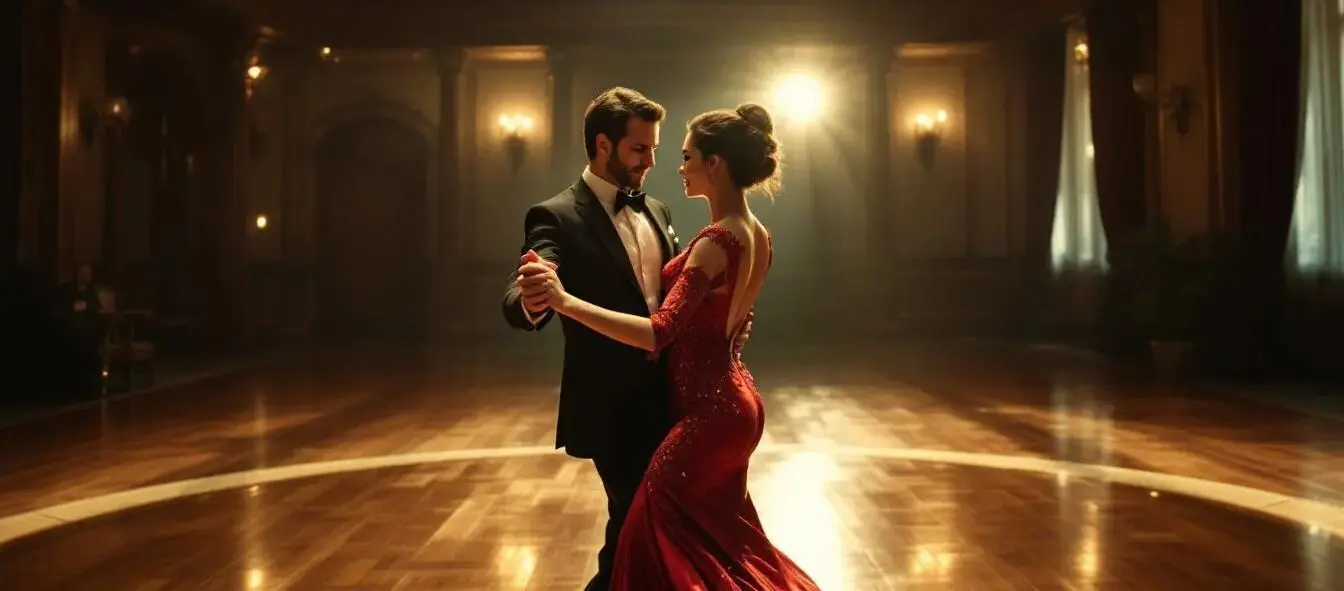
Physical Health Benefits of Dancing
Dancing is a great way to improve your physical health, offering many physical benefits beyond just staying fit or improving balance. Dance is a form of physical exercise that gives you the usual benefits of exercise and also unique benefits for body and mind.
One of the biggest benefits is its effectiveness as an aerobic activity that raises your heart rate and strengthens heart muscles. Regular dance sessions strengthen the heart and improve overall cardiovascular efficiency, reducing the risk of cardiovascular diseases and high blood pressure.
In addition to strengthening the heart, dancing prevents other cardiovascular-related issues. The World Health Organization stresses the importance of regular physical activity, and dancing is a fun and easy way to meet those recommendations.
Another physical benefit of dancing is muscle tone and muscular strength. The varied movement patterns in different dance styles work multiple muscle groups, resulting in improved endurance and strength. For children, teens and young people, dancing can lead to significant improvements in cardiovascular capacity, strength and flexibility, setting a foundation for a healthy lifestyle and long term fitness.
Dancing is also an inclusive form of physical exercise that suits everyone, regardless of age, body type and fitness level. Whether you’re a seasoned dancer or a beginner, dance is a welcoming space to improve your physical health. Plus dancing improves coordination and balance by strengthening core muscles, which is especially good for reducing the risk of fall-related injuries in older adults.
In summary, dance offers many and inclusive physical benefits, making it a valuable activity for health. The benefits of dance extend to overall health, supporting both physical and mental benefits. From improved cardiovascular fitness and muscle tone to better balance and coordination, dancing is a great way to overall physical well-being.
What Makes Dancing Different from Other Types of Exercise?
Most dancing offers something extra that other workouts don’t: it combines artistic expression, social activity, music and physical activity. While running or lifting weights targets the body, dance involves:* Complex movement patterns that challenge coordination and focus
- Emotional and expressive elements that tap into creativity
- Partner work and group work that build social skills and connections
Because dance is an art form as well as a workout, it feels more like play than “exercise,” making it easier to stick with over time. That’s one of the reasons why dance is important for people who struggle to stay consistent with traditional fitness routines.
The importance of dance lies in its unique ability to benefit both mind and body, making it a powerful and enjoyable form of exercise.
How Often Should You Dance to See Real Health Benefits?
You don’t have to live in the studio to benefit from dance. For most adults, even most dancing once or twice a week can start to improve fitness, mood and energy. As a general guide:
- 1–2 dance classes per week = a fun supplement to your current routine
- 3–4 sessions per week = noticeable improvements in physical health, stamina and mood
- Short daily home practice = big boosts to coordination, brain health and confidence
Consistency is key. A regular dance practice—even just 10–20 minutes at home with your favorite playlist—helps your body and brain adapt, making the benefits of dance a part of your everyday life.
Mental Health and Emotional Wellbeing
Beyond the physical benefits, dancing has profound effects on mental health and emotional wellbeing. Notably, dancing reduces stress. Dancing lowers cortisol levels which helps to alleviate stress and anxiety. Dance can also be a grounding activity that releases stress and tension. Both dance and yoga have been shown to help reduce negative emotions, but dance also increases positive emotions.
The combination of music and movement creates a therapeutic experience that promotes relaxation and mental peace. Importantly, dancing involves physical movement, cognitive coordination and emotional engagement, all of which contribute to its mental health benefits.
Plus dancing can lead to better sleep. The endorphins released during dance relax the body and mind, making it easier to fall asleep and have a restful night. This improved sleep quality contributes to overall wellbeing, so you wake up feeling refreshed and ready to face the day.Dancing also gives self expression, a way to process and release emotions which can boost self esteem . Emotional expression can be particularly helpful for those feeling depression or anxiety. Dancing provides a safe space to explore and communicate emotions, and feel emotional clarity and relief.
For older adults, participating in dance classes has been shown to improve motor skills and cognitive functions which in turn improves emotional wellbeing. The combination of physical activity, social interaction and mental engagement makes dance a holistic approach to mental health.
In summary, dancing has many mental benefits, it can:
- Reduce stress
- Improve sleep
- Give emotional expression and emotional release
- Improve cognitive functions and mental clarity
Social Connections, Social Skills and Community
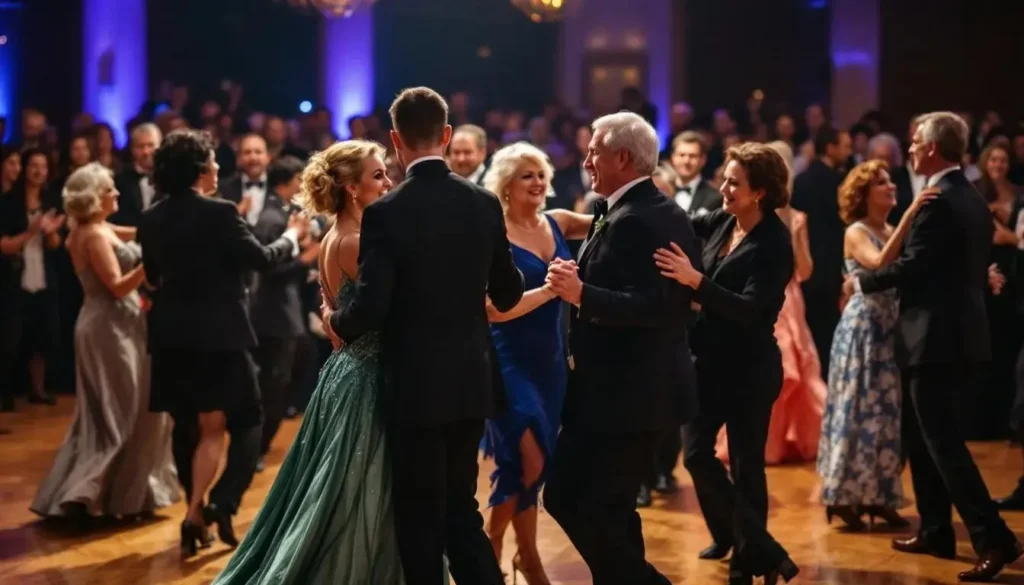
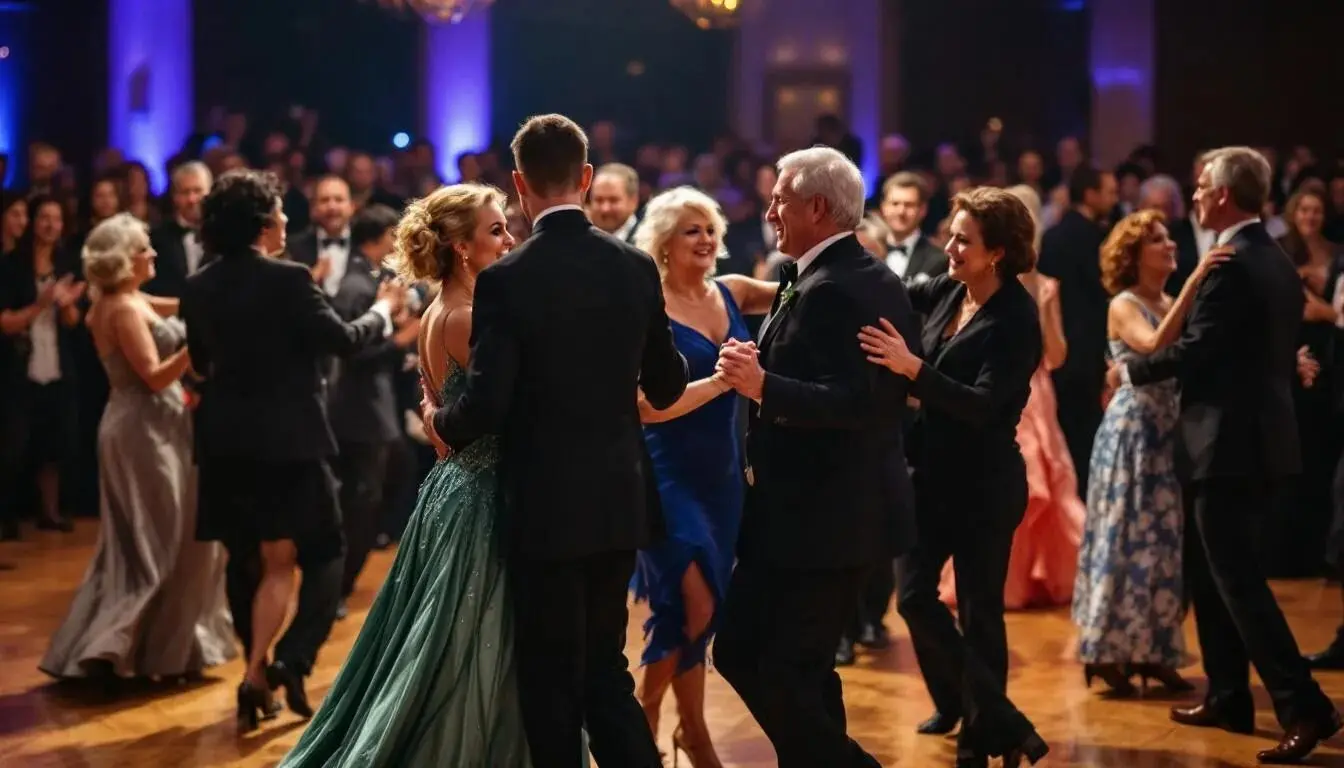
Dancing is a social activity that naturally builds connections and community. Dancing often encourages social interaction which can bring joy and belonging to participants. Whether it’s through dance programs, group classes or social dance events, the opportunity to meet new friends and bond with a dance partner is priceless.
Dancing fosters community and social interaction, good for mental health. The collaborative aspect of dance, especially in groups, helps participants form deeper connections. These connections combat loneliness and social isolation.
Dance classes are particularly beneficial for older adults and senior citizens, a platform to enhance their social interactions and engagement with the community. For many, dancing becomes a social lifeline, a way to meet others with similar interests and share experiences.
Dancing can also create new friendships and strengthen existing ones through collaborative activities. The process of learning and performing choreography together fosters teamwork and mutual support. Dance classes have taught teamwork by encouraging cooperation and collaboration among participants. Group dance helps develop important social skills such as sharing, taking turns, listening and effective communication.
Plus dancing with others increases the sense of closeness and community. Overall, dancing is more than physical activity; it’s a social experience that builds community and connections. The social benefits of dancing—from making new friends to strengthening existing relationships—are huge and far reaching.
Dancing has many cognitive benefits that improve overall brain function and mental clarity and helps you understand yourself better. Dancing is linked to various cognitive benefits and brings joy and fulfillment to a person.
Long term dance participation affects brain activity and neuroplasticity, the brain’s ability to adapt and reorganize itself. This brain activity is crucial for cognitive health and function.
One of the most significant cognitive benefits of dancing is the reduction of risk of dementia and Alzheimer’s disease. Studies have shown that dancing can reduce the risk of dementia by 76% among older adults. This is because of the mental challenges and cognitive engagement required in learning and performing dance routines.
Learning dance routines also improves memory and cognitive development through pattern recognition and repetition. The process of memorizing steps and sequences stimulates brain activity and improves cognitive function. Plus practicing dance helps with mindfulness, emotional awareness and regulation. Learning and memorizing complex choreography improves memory, concentration, problem solving skills and cognitive flexibility.
Understanding and embodying expressive elements during this process further contributes to both cognitive and artistic development as dancers learn to communicate emotions and ideas through movement. This highlights the importance of dance not just for the body but for the mind as well.
In summary, dancing has many and multifaceted cognitive benefits. It improves brain activity and neuroplasticity, reduces risk of dementia and improves memory, making it a powerful tool for cognitive health.
Executive Function and Daily Life
Dance isn’t just about moving your body to a beat—it’s like a secret workout for your brain that makes you sharper, more focused and ready to take on whatever life throws your way. Executive function might sound fancy but it’s really just your brain’s way of handling the important stuff: planning your day, making smart decisions, solving problems and managing your time.
When you step into dance classes—especially styles with intricate movement patterns like hip hop, contemporary dance or jazz—you’re giving your brain the kind of workout that would make a puzzle jealous. Learning complex choreography trains your mind to:
- Stay present and focused
- Switch between tasks quickly
- Remember sequences while coordinating your body
Those same executive function skills show up in daily life—at work, at school and in relationships—making dance a fun way to train both your brain and your body.
—## Dance as a Cultural Expression & Art Form
Dance is a powerful form of cultural expression that embodies the culture it represents. As an art form within the broader arts community dance plays a big role in communicating human experience and cultural expression.
Each dance style has multiple influences and cultural narratives, dance is a rich tapestry of human experience. Ballet, jazz, street dance and belly dancing are just a few examples of dance styles that reflect different cultural traditions and contribute to cultural identity. Dance is a universal language that transmits values, histories and emotions across generations and cultures.
Native American dances for example are vital expressions of social and religious life and contribute to community bonding and identity. These dances are more than just performances, they are part of the cultural fabric and heritage of the communities.
The Denishawn School founded by Ruth St. Denis and Ted Shawn emphasized the fusion of global dance influences while maintaining individual artistic expression. Choreographers like Katherine Dunham have played a big role in promoting cultural heritage through dance by infusing African and Afro-Caribbean elements into American dance.
Ultimately dance is not just an art form but a means of cultural expression. Dance has been used historically to transmit cultural values and educational approaches. It provides a window into the values, beliefs and traditions of different societies making it a powerful tool for cultural preservation and celebration.
Age-Inclusive Activity: Why Dance Matters at Every Age
One of the best things about dance is its inclusivity, it offers benefits to individuals of all ages—from youth to older adults. Dance can be a lifelong activity that provides physical, mental and emotional benefits regardless of age.
For children and teens dance can lead to significant improvements in cardiovascular capacity, strength and flexibility, setting a foundation for a healthy lifestyle. Through dance children learn important skills like responsibility, social skills, discipline, creativity and self awareness.
For elderly dancers participating in dance programs and ballroom dancing classes can lead to increased confidence, self esteem and sense of elegance. The joy they enjoy dancing and the social interactions it brings contribute to a better quality of life, it’s never too early or too late to start dancing. You’re never too old to learn how to dance and start dancing. Dance is also a physical activity that requires no special equipment and can be done in various environments outside of a dance studio, outdoors or at home. That makes it an exercise option for everyone regardless of age and fitness level.
Ballroom dance classes for seniors and young adults often include styles like swing, waltz, salsa and tango, social interaction and fun. These classes are a way for both older and younger adults to stay active and connected.
Overall dance is an age inclusive activity that offers benefits to both young and older adults. Its accessibility and versatility makes it a valuable exercise and social engagement for all.
Which Dance Styles are Best for Older Adults and Seniors?
For older adults gentle forms of dance practice work beautifully:
- Slower ballroom dancing (waltz, foxtrot, rumba)
- Line dancing and social group classes
- Simple ballet-inspired barre work for posture and coordination
These styles offer a wide range of options that support joint friendly movement, balance and self confidence without overwhelming the body.
How Dancing Helps Children’s Growth and Development
For kids the benefits of dance go beyond “cute recitals”. Dance teaches:
- Social skills like sharing, taking turns and cooperating
- Listening, memory and cognitive development through patterns and rhythm
- Self esteem and self confidence as they master new skills and perform
In school settings dance is part of the performing arts curriculum, helping children connect music, movement and storytelling while staying active and engaged.
Dance in Education
Dance in school isn’t just about fancy footwork and perfect pirouettes. It’s about giving students something amazing—better health, sharper minds and genuine confidence that shines through everything they do.
Through movement and music students discover rhythm, timing and coordination that serves them in dance and life. Styles like ballroom dancing and line dancing teach kids how to work together, follow patterns and express themselves. Along the way dance teaches teamwork, perseverance and creativity—skills that transfer to other academic areas and life situations. When educators put dance into their curriculum they’re giving students something special: a way to stay active, connect with others and develop skills they’ll use for life. Dance in education isn’t just about learning steps—it’s about nurturing every part of who students are, body and soul.
Dance Movement Therapy and Rehabilitation
Dance also plays a big role in rehabilitation, offering therapeutic benefits for various medical conditions. Research shows dance is a recommended therapy for Parkinson’s disease and other neurodegenerative disorders. Dancing can help improve symptoms such as balance, cognition and motor skills for individuals with neurological challenges.
Tango in particular has been found to be effective in improving balance and strength for those with neurological disorders. Other styles like contemporary dance and gentle ballet-based movement are also used in dance movement therapy programs.
Dancing not only lifts the mood of participants but also contributes to a better quality of life. Dance movement therapy can help with depression and anxiety. The therapeutic benefits of dance extend to physical and psychological improvements making it a holistic approach to rehabilitation.
On top of all that ballroom dancing has been shown to enhance social and cognitive engagement for dementia patients. Dance lessons provide a supportive environment where patients can enjoy the many forms and benefits of dance while fostering social connections.
In summary dance is a powerful rehabilitation tool, offering many health benefits for those with medical conditions. It improves balance and cognition, enhances mood, fosters social interactions and relationships, making dance movement therapy a valuable addition to traditional rehabilitation methods.
 Personal Growth and Development
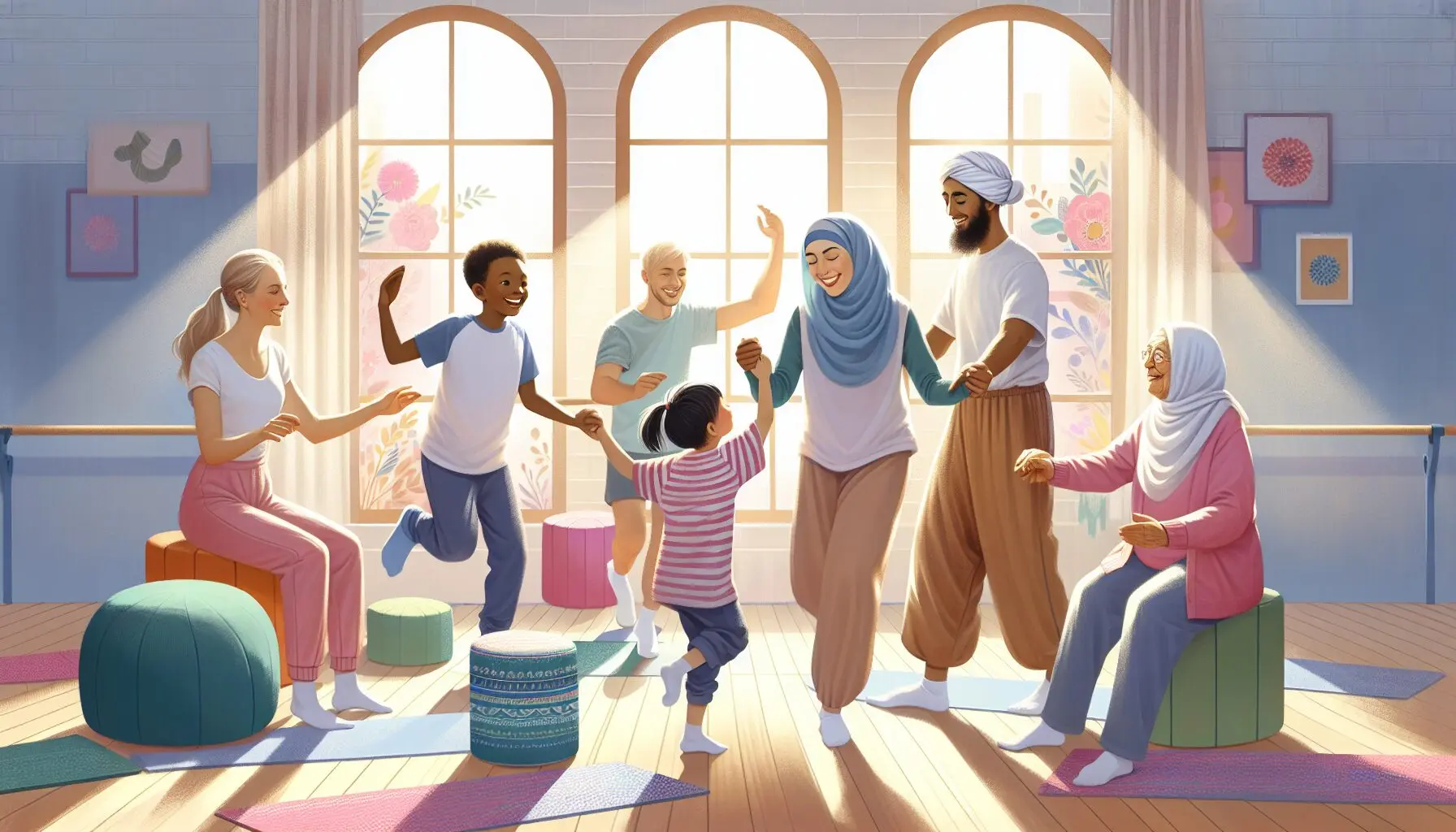
Dance practice? It’s not just about learning steps and looking good (though you’ll definitely do both). It’s about discovering who you are when you’re not overthinking every move. With the right dance teachers and engaging sessions that actually feel fun you’ll unlock confidence you didn’t know you had. Plus you’re picking up life skills—discipline, perseverance, teamwork—that’ll serve you way beyond the studio. Who knew getting your groove on could be so practical? Whether you like contemporary, street dance or line dancing your body and brain are in for a treat. Dancing isn’t just exercise—it’s like hitting the jackpot for your health. Your muscle tone improves, your blood pressure thanks you and your overall physical health gets a serious upgrade. But here’s the real magic: while you’re having fun moving to the beat your focus sharpens, creativity flows and your brain function gets a boost that’ll make you wonder why you waited so long to start.
The expressive side of dance—those movement patterns, rhythms and choreography—gives you permission to communicate in ways words never could. You’ll discover emotions you forgot you had and experience the kind of emotional release that makes everything else feel lighter. For kids it’s like a masterclass in social skills disguised as pure fun. They’re learning cooperation and communication while building confidence that’ll carry them through life.
Here’s what we love most: dance brings people together like nothing else. You’ll make friendships that surprise you and strengthen bonds you already treasure. Whether you’re a young person falling in love with ballet or jazz or an adult finally diving into performing arts, dance opens doors to self-discovery and well-being you never saw coming. The stress melts away, your mood lifts and suddenly you’re stronger and more balanced—inside and out.
Dance celebrates everything that makes us human. It welcomes everyone—your age, background and ability don’t matter here. You just show up, move, create and connect. With every practice you’ll feel that pure joy of movement, the thrill of expressing yourself and benefits that touch every part of your life. Your body, mind and spirit will thank you for it.
Which Dance Styles are Best for Beginners?
If you’re new to dance you might wonder where to start. Great beginner-friendly styles include:
- Ballroom dancing (waltz, foxtrot, rumba) – structured, partner-based and very teachable
- Ballet – builds posture, alignment and fundamental coordination
- Street dance or basic hip hop – fun, expressive and great for fitness
- Contemporary dance – blends ballet, jazz and modern movement for emotional storytelling
- Belly dancing – excellent for core strength, muscle tone and body awareness. You don’t need prior experience. A good studio, strong dance teachers and supportive dance programs make your first steps feel fun and achievable so you can actually enjoy dancing instead of worrying about perfection.
Is Dancing Safe If You Have Joint Pain or Past Injuries?
In many cases yes—dance can be adapted. Always talk to your doctor first especially if you have existing conditions or injuries. Then talk to your instructor.
Many low-impact styles and modified dance practice options focus on gentle movement patterns, better balance and mobility instead of high-impact jumps. With the right teacher and pacing dance can be part of a safe, sustainable fitness plan that supports healing rather than aggravating old injuries.
How Ballroom Dancing Improves Posture and Confidence
Ballroom dancing is especially good for posture and self confidence. In ballroom:
- You learn how to align your spine, lift your chest and engage your core.
- You practice clear lead-and-follow roles which build social skills.
- You experience what it feels like to move across the dance floor with a partner.
Over time students often notice they stand taller, move more gracefully and feel more confident not only while they’re dancing but in everyday life as well. This is why dance is important as a confidence building tool for adults who may have felt “clumsy” or “uncoordinated” before.
What to Wear and Bring to Your First Dance Class
If you’re new to dance classes don’t overthink it. Wear:
- Comfortable clothing you can move in
- Shoes that stay on your feet and allow you to pivot (or ballroom shoes if recommended)
Bring:
- A water bottle
- A small towel if you like
- An open mind and willingness to try
Your instructor will guide you through the structure of class and help you feel at ease during your very first dance practice.
How Shy or Introverted People Can Feel More Comfortable Dancing
You don’t have to be outgoing to enjoy dance. In fact many dancers start out shy. Dance helps by:
- Giving you clear steps and patterns to focus on
- Providing structured social interaction instead of unstructured mingling
- Building self esteem as you master new skills
- Offering a positive, non-judgmental space where mistakes are part of learning. Over time many introverted students find dance expands their comfort zone, improves social skills and helps them feel more at ease in other social situations too.
How to Add More Dancing to Your Daily Life at Home
You don’t have to wait for a studio class to dance. Try:
- One song “dance breaks” during the day
- Practicing basic ballroom dancing steps in the kitchen
- Following short online dance tutorials
- Dancing to your favorite music
These small moments of fun, movement and joy keep your body active and spirit lifted and make it easy to maintain a dance habit.
How to Get Started – Try a Class
Inspired by the many benefits of dance and ready to start? Here are some practical tips to help you begin. First talk to your doctor before starting any new exercise especially if you have existing conditions.
Try different dance styles to find one you like. The certified dance teachers at Fred Astaire Dance Studios will guide you through the process. Whether you like the elegance of tango or waltz, the energy of hip hop or the rhythm of salsa dancing, there’s a dance style for everyone.
Fred Astaire Dance Studios has dance programs for all ages and levels so you can choose private lessons, group classes or practice parties that fit your goals and comfort level.
Start your dance journey by joining a local dance class at any one of our Fred Astaire Dance Studio locations. Join over 280k happy dance students and other dancers who’ve learned to dance through the Fred Astaire method. With dedication and enthusiasm you’ll soon experience the benefits of dance in your body, mind and daily life.
Summary – Hit the Dance Floor
Dance is a holistic approach to well-being combining physical, mental, emotional and social benefits. From improving cardiovascular health and muscle tone to reducing stress and enhancing brain function the benefits of dance are many and inclusive.
As you step onto the dance floor remember dancing is not just about moving your body; it’s about expressing your soul and connecting with others. Enjoy the movement, honor the art and let dance change your life in ways you never thought possible. So dance.
Frequently Asked Questions
What are the physical health benefits of dancing?
Dancing is a fantastic way to boost your physical health, as it strengthens the heart, improves cardiovascular efficiency, enhances muscle tone, and enhances balance. So get moving and enjoy all these amazing benefits!
How does dancing improve mental health?
Dancing significantly boosts mental health by reducing stress and improving sleep while providing a powerful outlet for emotional expression. Embrace the rhythm and let it uplift your spirits!
Can anyone start dancing regardless of age?
Absolutely! Dancing knows no age limits, so start moving and express yourself—it’s never too late to join the fun!
How does dancing foster social connections?
Dancing is a fantastic way to foster social connections by encouraging interaction and creating a sense of community, which can lead to new friendships. Embrace the joy of dance and watch your social circle grow!
What cognitive benefits does dancing offer?
Dancing offers fantastic cognitive benefits, including improved memory, enhanced brain activity, and a reduced risk of dementia. Embrace the rhythm and let it boost your mind!
Why is dance important in our life?
Dance is important because it improves physical health, boosts mood, reduces stress, and enhances self-expression. It also fosters social connections, builds community, and supports cognitive function. Dancing serves as cultural expression and therapy, enriching our lives in many meaningful ways.
Why is dance so impactful?
Dance is impactful because it uniquely blends movement, music, and social connection, promoting physical health, emotional expression, and cognitive engagement. This combination creates a powerful experience that supports overall well-being and fosters community.
Dancing is a fantastic way to boost your physical health, as it strengthens the heart, improves cardiovascular efficiency, enhances muscle tone, and enhances balance. So get moving and enjoy all these amazing benefits!
Dancing significantly boosts mental health by reducing stress and improving sleep while providing a powerful outlet for emotional expression. Embrace the rhythm and let it uplift your spirits!
Absolutely! Dancing knows no age limits, so start moving and express yourself—it’s never too late to join the fun!
Dancing is a fantastic way to foster social connections by encouraging interaction and creating a sense of community, which can lead to new friendships. Embrace the joy of dance and watch your social circle grow!
Dancing offers fantastic cognitive benefits, including improved memory, enhanced brain activity, and a reduced risk of dementia. Embrace the rhythm and let it boost your mind!
Dance is important because it improves physical health, boosts mood, reduces stress, and enhances self-expression. It also fosters social connections, builds community, and supports cognitive function. Dancing serves as cultural expression and therapy, enriching our lives in many meaningful ways.
Dance is impactful because it uniquely blends movement, music, and social connection, promoting physical health, emotional expression, and cognitive engagement. This combination creates a powerful experience that supports overall well-being and fosters community.
You Might Also Like:
Harvard Medical School – “Dancing and the Brain” – Explains how dancing combines mental effort and social interaction, and how this is linked to reduced dementia risk and better brain health. Harvard Medical School
NIH / PubMed Central – “The Physiological and Psychological Benefits of Dance” – A review showing dance improves physical fitness, mood, and quality of life across healthy and medically challenged populations.
Express, Embrace, Enhance: 15 Ballroom Dances For Unlocking Emotional Wellness
Mental Health Benefits Of Dance: 6 Unbelievable Benefits of Ballroom Dancing
Express, Embrace, Enhance: 15 Ballroom Dances For Unlocking Emotional Wellness